Introduction
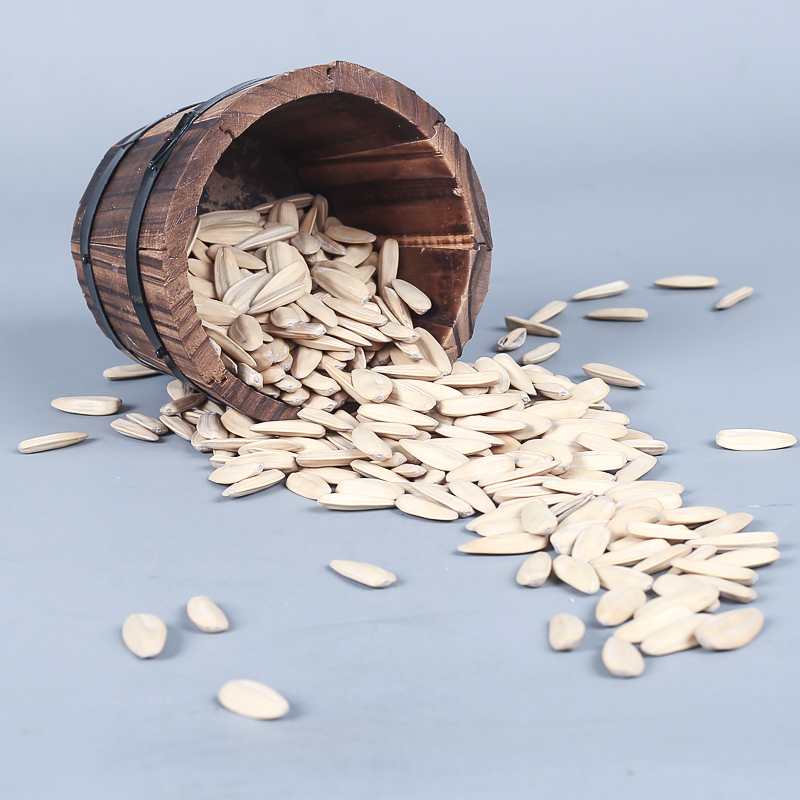
Deshelled sunflower seeds ( Helianthus annuus) represent a significant commodity within the food processing and animal feed industries. Technically positioned as a post-harvest processing product derived from sunflower seed production, their value lies in eliminating the fibrous hull, increasing edibility, and concentrating the nutrient profile. The primary performance characteristics of deshelled sunflower seeds center around oil content, protein levels, fatty acid composition, and overall seed integrity – all critical factors for both human consumption and inclusion in formulated animal feeds. The industry faces ongoing challenges relating to minimizing kernel breakage during de-hulling, maintaining consistent seed size, and preventing rancidity during storage and transport. Efficient de-hulling operations, rigorous quality control, and appropriate storage protocols are therefore paramount to maximizing product value and minimizing waste. This guide provides a comprehensive technical overview of deshelled sunflower seeds, encompassing material science, manufacturing processes, performance criteria, failure modes, and relevant industry standards.
Material Science & Manufacturing
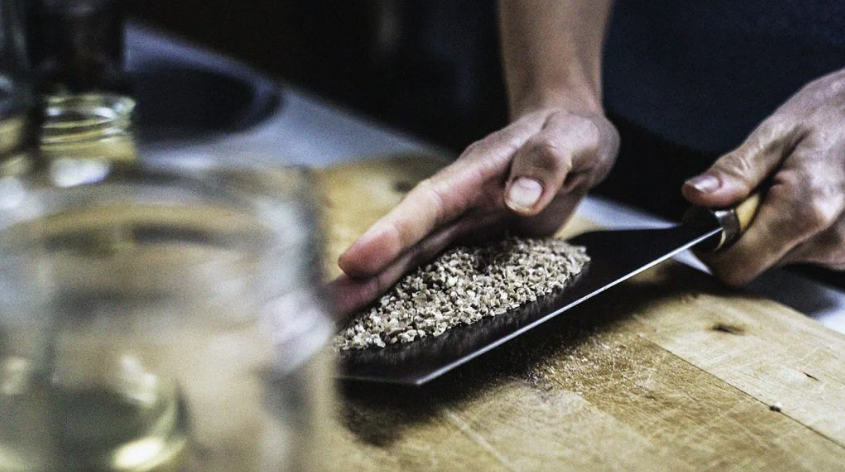
The primary material science considerations for deshelled sunflower seeds revolve around the composition of the kernel. The kernel is composed of approximately 40-55% oil, primarily linoleic acid (omega-6) and oleic acid (omega-9), 20-25% protein, 15-20% carbohydrate, and trace amounts of vitamins and minerals. The seed coat (removed during de-hulling) consists largely of cellulose, hemicellulose, and lignin, providing structural rigidity. Manufacturing begins with sunflower seed harvesting, followed by cleaning to remove debris, and then de-hulling. De-hulling is typically achieved through mechanical abrasion or impact using specialized de-hullers. Key parameters in this process include huller speed, clearance settings, and feed rate. Improper parameter control leads to excessive kernel breakage, reducing grade and market value. Post-de-hulling, seeds undergo size grading (using screens) to remove undersized or oversized kernels. Further processing may include color sorting (optical sorting based on seed color) and surface treatment (e.g., coating with vegetable oil to prevent oxidation). Maintaining a consistent moisture content (typically 8-10%) is crucial throughout the manufacturing process, impacting de-hulling efficiency and subsequent storage stability. The chemical compatibility of sunflower seeds with processing equipment materials (stainless steel being preferred due to its corrosion resistance) must also be considered to prevent contamination and maintain product purity.
Performance & Engineering
Performance evaluation of deshelled sunflower seeds focuses on several key areas. Oil yield, measured by solvent extraction (typically hexane), is a critical parameter influencing economic viability. Protein content is determined through Kjeldahl analysis, impacting nutritional value. Fatty acid profiling, using gas chromatography, defines the oil’s composition and influences its suitability for specific applications. Seed hardness (resistance to crushing) is assessed using compression testing, correlating with de-hulling efficiency and kernel integrity. Environmental resistance relates primarily to storage stability. Sunflower seed oil is susceptible to oxidation, leading to rancidity. Therefore, storage conditions—temperature, humidity, and exposure to light—must be carefully controlled. Engineering considerations center on optimizing the de-hulling process to minimize kernel damage and maximize throughput. Force analysis of the de-hulling process identifies optimal impact forces and abrasion patterns. Compliance requirements include adherence to food safety regulations (e.g., HACCP, GMP) and labeling standards, specifying nutritional information and potential allergens. The performance of packaging materials, especially in terms of oxygen and moisture barrier properties, is also crucial for maintaining product quality throughout the supply chain.
Technical Specifications
| Parameter | Unit | Typical Value (Range) | Test Method |
|---|---|---|---|
| Oil Content | % (dry weight basis) | 48-58 | AOAC Official Method 983.23 |
| Protein Content | % (dry weight basis) | 20-28 | Kjeldahl Method (AOAC Official Method 978.05) |
| Moisture Content | % | 8-10 | AOAC Official Method 925.10 |
| Kernel Breakage | % (by weight) | <5 | Visual Inspection & Sieve Analysis |
| Foreign Matter | % (by weight) | <1 | Visual Inspection |
| Acid Value | mg KOH/g | <1.0 | AOAC Official Method 942.05 |
Failure Mode & Maintenance
Deshelled sunflower seeds are susceptible to several failure modes. Oxidation and Rancidity are primary concerns, leading to off-flavors and reduced nutritional value. This is exacerbated by exposure to oxygen, light, and elevated temperatures. Mechanical Damage (kernel breakage) during de-hulling and handling reduces grade and increases susceptibility to oxidation. Insect Infestation can occur during storage, particularly in warm and humid environments. Moisture Absorption leads to fungal growth and potential mycotoxin contamination. Preventative maintenance is critical. This includes regular cleaning and inspection of de-hulling equipment to minimize mechanical damage. Storage facilities should be properly sealed, temperature-controlled (below 15°C), and regularly monitored for insect activity and moisture levels. The use of inert gas packaging (nitrogen flushing) can reduce oxidation. Periodic laboratory analysis of oil quality (acid value, peroxide value) is essential to detect early signs of rancidity. Proper stock rotation (FIFO – First In, First Out) minimizes storage duration and reduces the risk of quality degradation. Effective pest control programs are vital to prevent insect infestations.
Industry FAQ
Q: What is the impact of sunflower seed variety on oil content in deshelled seeds?
A: Sunflower seed variety significantly impacts oil content. High-oleic varieties consistently yield seeds with higher oleic acid concentrations and improved oxidative stability. Linoleic varieties, while still valuable, have a shorter shelf life due to their higher susceptibility to oxidation. Breeders are continually developing new varieties optimized for specific oil profiles and agronomic traits, and their selection directly translates into the composition of the final deshelled product.
Q: How does moisture content affect the de-hulling efficiency and storage life?
A: Optimal moisture content (8-10%) is crucial. Seeds that are too dry are brittle and prone to breakage during de-hulling. Seeds with excessively high moisture content are difficult to de-hull and are more susceptible to fungal growth and spoilage. Maintaining this moisture range optimizes de-hulling efficiency, minimizes kernel damage, and extends storage life by inhibiting microbial activity.
Q: What are the key considerations for preventing rancidity during long-term storage?
A: Preventing rancidity requires a multi-faceted approach. This includes minimizing exposure to oxygen (using airtight packaging and/or nitrogen flushing), controlling temperature (storing below 15°C), protecting from light, and minimizing the presence of pro-oxidants (e.g., metal ions). Adding antioxidants, such as tocopherols (Vitamin E), can also help retard oxidation. Regular monitoring of acid value and peroxide value is essential.
Q: What quality control measures are essential for ensuring consistent product quality?
A: Essential quality control measures include regular monitoring of oil content, protein content, moisture content, kernel breakage, foreign matter content, and acid value. Visual inspection for defects (e.g., discoloration, insect damage) is also crucial. Implementing a robust HACCP plan and adhering to GMP standards are fundamental to ensuring product safety and quality.
Q: What is the role of optical sorting in the processing of deshelled sunflower seeds?
A: Optical sorting uses cameras and image analysis to identify and remove seeds based on color, size, and shape. This is particularly effective in removing discolored seeds, foreign materials, and partially hulled kernels, improving the overall appearance and purity of the final product. It significantly contributes to meeting stringent quality standards.
Conclusion
Deshelled sunflower seeds are a versatile agricultural commodity whose quality and performance are intrinsically linked to meticulous material science, optimized manufacturing processes, and rigorous quality control. Understanding the chemical composition of the kernel, mastering the mechanics of de-hulling, and proactively mitigating degradation mechanisms—particularly oxidation—are paramount to maximizing economic value and ensuring product safety. The ongoing drive towards sustainable agricultural practices and consumer demand for healthier food options will continue to shape the industry, necessitating continuous innovation in processing technologies and quality assurance protocols.
Future research and development efforts should focus on enhancing de-hulling efficiency to further reduce kernel breakage, developing novel antioxidant packaging solutions to extend shelf life, and exploring the potential of advanced analytical techniques for rapid and accurate quality assessment. Addressing these challenges will be critical for maintaining the competitiveness of the deshelled sunflower seed industry in a rapidly evolving global market.
