Introduction
Muskmelon seeds, a byproduct of muskmelon ( Cucumis melo) consumption, are increasingly recognized as a valuable edible resource. While traditionally discarded, they possess a significant nutritional profile and functional properties attracting attention in the food industry. This technical guide details the composition, processing, safety considerations, and quality control parameters associated with edible muskmelon seeds, positioning them within the broader landscape of oilseed and functional food ingredients. The core performance attributes revolve around their oil content, protein profile, and the bioactive compounds present, influencing applications from direct consumption to oil extraction and ingredient formulation. The inherent challenges lie in mitigating bitterness, ensuring microbial safety, and optimizing processing techniques to maximize nutrient bioavailability. This guide targets food manufacturers, agricultural processors, and quality control professionals seeking a comprehensive understanding of this emerging resource.
Material Science & Manufacturing
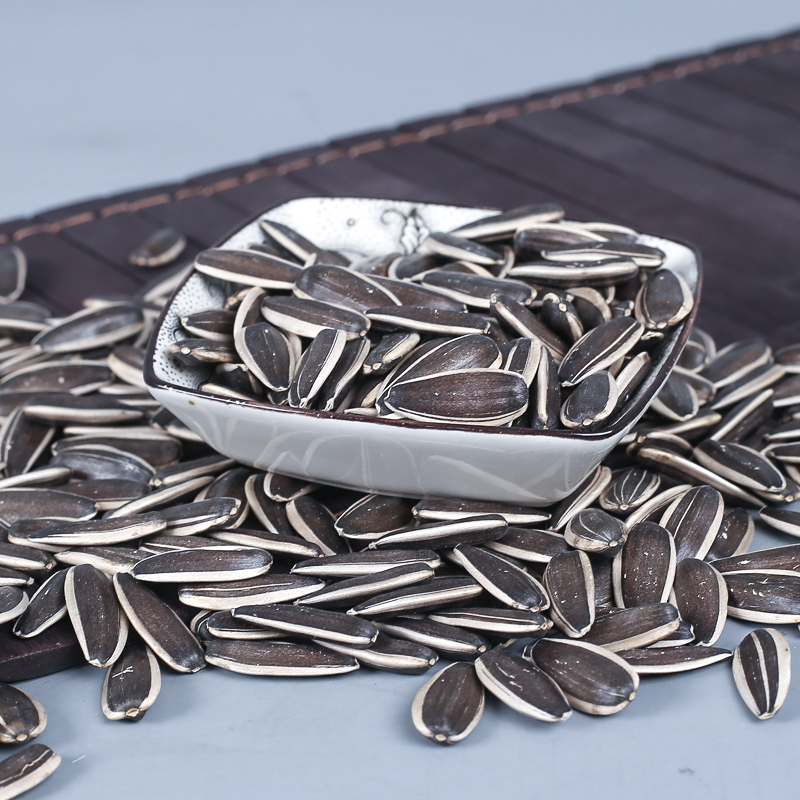
Muskmelon seeds are primarily composed of approximately 30-40% oil, 25-35% protein, 10-20% carbohydrates, and 5-10% moisture, with the remaining portion consisting of minerals and fiber. The oil predominantly comprises linoleic acid (an omega-6 fatty acid), oleic acid (an omega-9 fatty acid), and palmitic acid. Proteins exhibit a range of molecular weights, containing essential amino acids like lysine, tryptophan, and methionine. The seed coat is comprised of cellulose and hemicellulose, providing structural integrity and influencing milling characteristics. Manufacturing processes begin with seed separation from the muskmelon flesh, often performed mechanically after fruit processing. Cleaning removes debris and damaged seeds through sieving and air classification. Drying is critical, typically achieved using forced-air dryers to reduce moisture content to below 8% for storage stability. Dehulling, an optional step, removes the outer seed coat to reduce bitterness and improve oil extraction efficiency. This is typically done using abrasive methods or impact dehullers. Oil extraction is commonly achieved through mechanical pressing (cold pressing or expeller pressing) or solvent extraction (using hexane, although regulations are increasingly favoring solvent-free options). Critical parameters include pressing temperature, pressure, and solvent ratio (if used) to maximize oil yield and minimize degradation. Post-extraction, the oil undergoes refining processes – degumming, neutralization, bleaching, and deodorization – to improve its quality and stability. Seed meal remaining after oil extraction can be further processed into protein concentrates or isolates. Parameter control during drying (temperature, airflow) prevents thermal damage to oils and proteins. Dehulling requires precise control to avoid damaging the kernel. Oil extraction efficiency is maximized through optimized temperature and pressure settings, minimizing residual oil content in the seed meal.
Performance & Engineering
The performance of muskmelon seeds as a food ingredient is significantly influenced by their physical and chemical properties. Oil stability, measured by rancidity tests (Peroxide Value, Anisidine Value), determines shelf life. Protein digestibility is a key engineering consideration, impacted by processing methods (dehulling, heat treatment) and enzyme inhibitors present in the seed. The force required to break the seed coat during dehulling (impact force analysis) dictates the efficiency of the dehulling process and the extent of kernel damage. Environmental resistance relates to storage stability; moisture content and temperature control are vital to prevent mold growth and lipid oxidation. Compliance requirements center around food safety regulations – permissible levels of heavy metals, pesticides, and microbial contaminants. The functional implementation of muskmelon seed oil involves consideration of its oxidative stability, flavor profile, and suitability for various applications (salad dressings, cooking oils, nutraceuticals). Seed meal requires engineering consideration for particle size distribution and functional properties (water absorption capacity, oil absorption capacity) when used as a protein ingredient. The presence of cucurbitacin compounds, responsible for bitterness, requires specific processing techniques to reduce their concentration and improve palatability. Heat treatment and solvent extraction protocols must be engineered to preserve the bioactive compounds present in the seeds, such as antioxidants and phytosterols. Understanding the material’s tribological properties – friction coefficient and wear resistance – is also relevant for processing equipment design, minimizing energy consumption and extending equipment lifespan.
Technical Specifications
| Parameter | Unit | Typical Value | Test Method |
|---|---|---|---|
| Oil Content | % (Dry Basis) | 30-40 | Soxhlet Extraction (AOAC 920.39) |
| Protein Content | % (Dry Basis) | 25-35 | Kjeldahl Method (AOAC 920.87) |
| Moisture Content | % | < 8 | Oven Drying (AOAC 925.10) |
| Acid Value | mg KOH/g | < 2.0 | Titration (AOCS Cd 3-63) |
| Peroxide Value | meq O2/kg | < 5.0 | Titration (AOCS Cd 8-53) |
| Linoleic Acid Content | % of Total Fatty Acids | 40-60 | Gas Chromatography (AOCS Ce 1-62) |
Failure Mode & Maintenance
Failure modes in muskmelon seed processing and storage are diverse. Lipid oxidation, leading to rancidity and off-flavors, is a primary concern, accelerated by exposure to oxygen, light, and high temperatures. This manifests as an increased Peroxide Value and altered aroma. Protein denaturation, caused by excessive heat during processing, reduces digestibility and functional properties. Microbial contamination, particularly mold growth ( Aspergillus, Penicillium species), occurs under high moisture conditions, producing mycotoxins and rendering the seeds unsafe for consumption. Physical damage during dehulling or milling can create fine particles, increasing surface area for oxidation and contributing to textural defects. Bitterness, stemming from residual cucurbitacins, limits consumer acceptance. Maintenance strategies involve rigorous moisture control during storage (below 8%), using airtight containers and appropriate temperature control (below 20°C). Antioxidant addition (Vitamin E, BHT) can inhibit lipid oxidation. Proper cleaning and sanitation of processing equipment prevent microbial contamination. Optimization of dehulling parameters minimizes kernel damage. Heat treatment protocols must be carefully controlled to balance bitterness reduction with protein preservation. Periodic monitoring of critical parameters (moisture content, peroxide value, microbial load) is essential. Regular inspection and maintenance of processing equipment – dryers, presses, milling machines – ensure optimal performance and prevent failures. Implementing a Hazard Analysis and Critical Control Points (HACCP) system is crucial for ensuring food safety.
Industry FAQ
Q: What is the primary challenge in utilizing muskmelon seeds as a commercial oil source?
A: The primary challenge is the inherent bitterness attributed to cucurbitacin compounds present in the seed. Effective dehulling and controlled heat treatment are crucial to reduce these compounds to acceptable levels for consumer products. Furthermore, the relatively lower oil yield compared to established oilseeds like sunflower or soybean requires process optimization for economic viability.
Q: How does the protein quality of muskmelon seed meal compare to soy protein?
A: While muskmelon seed meal contains a reasonable amount of protein, its digestibility and amino acid profile are generally inferior to soy protein. Processing techniques such as enzyme hydrolysis and fermentation can improve protein digestibility and bioavailability. It is often used as a supplemental protein source rather than a complete replacement for soy.
Q: What are the key safety concerns associated with storing muskmelon seeds?
A: The major safety concern is mold growth and mycotoxin production if moisture content is not adequately controlled during storage. Regular monitoring of moisture content, temperature, and visual inspection for mold are essential. Proper ventilation and airtight storage are also crucial.
Q: What is the impact of different oil extraction methods (pressing vs. solvent extraction) on oil quality?
A: Cold pressing generally yields a higher quality oil with better flavor and aroma, but lower extraction efficiency. Solvent extraction provides higher yields but may leave residual solvent traces, requiring further refining. The choice depends on the desired oil quality and cost considerations.
Q: What analytical tests are most important for quality control of edible muskmelon seeds?
A: Key analytical tests include moisture content, oil content, protein content, acid value, peroxide value, heavy metal analysis (lead, cadmium), pesticide residue analysis, and microbial load testing (total plate count, Salmonella, E. coli). Testing for cucurbitacin content is also crucial for assessing bitterness levels.
Conclusion
Edible muskmelon seeds represent a potentially sustainable and nutritious resource within the food industry. Their composition, characterized by a favorable oil and protein profile, positions them as a viable ingredient in diverse applications. However, optimizing processing techniques to mitigate inherent challenges – bitterness, lipid oxidation, and microbial growth – is paramount. Rigorous quality control measures, encompassing chemical, physical, and microbiological analyses, are essential to ensure product safety and consistent quality.
Future research should focus on enhancing protein digestibility through novel processing methods, identifying and quantifying bioactive compounds with health benefits, and developing cost-effective dehulling technologies. Furthermore, exploring the potential of muskmelon seed meal as a functional ingredient in animal feed and other industrial applications could further maximize the valorization of this agricultural byproduct.
