Introduction
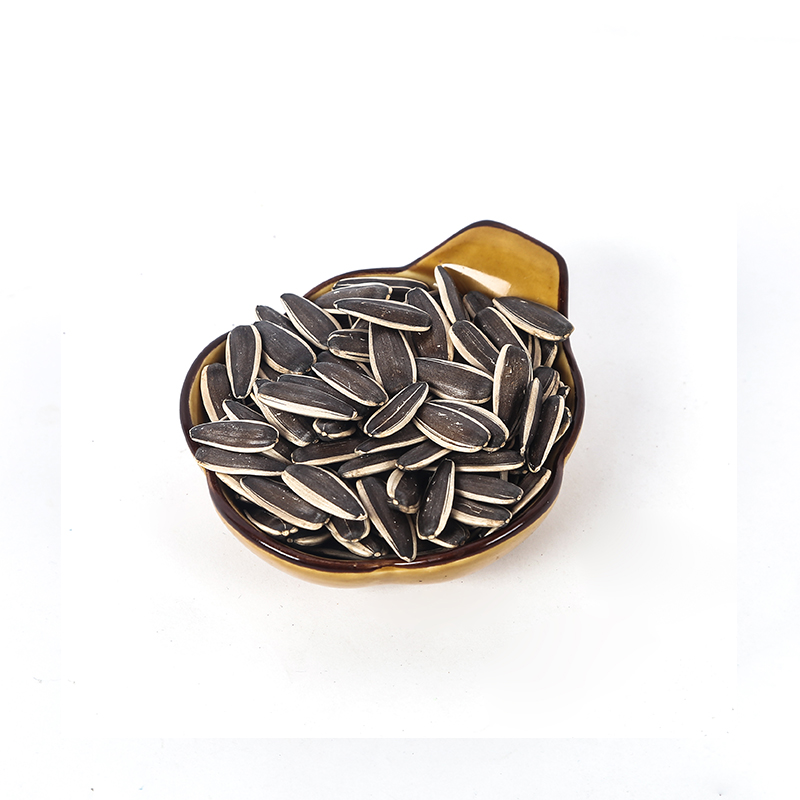
Natural original flavor sunflower seeds represent a minimally processed snack food derived from the Helianthus annuus plant. Positioned within the agricultural processing and snack food industries, these seeds are primarily valued for their nutritional content – notably unsaturated fatty acids, vitamin E, and protein – and their textural qualities. Unlike heavily flavored or roasted variants, “original flavor” denotes a product that retains the inherent taste of the seed, often enhanced only by a light salting. Core performance characteristics center around seed integrity (absence of broken kernels), moisture content (influencing shelf life and texture), oil content (affecting flavor and nutritional value), and microbiological safety. The industry faces ongoing challenges regarding aflatoxin mitigation, consistent quality across harvests, and maintaining consumer appeal in a competitive snack market. These seeds are subject to rigorous quality control protocols throughout the supply chain, from farm to finished product, ensuring adherence to food safety regulations and consumer expectations.
Material Science & Manufacturing
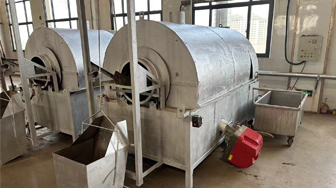
The primary raw material, sunflower seeds, comprises a hull (pericarp), kernel, and embryo. The kernel constitutes the edible portion, possessing a chemical composition of approximately 50-60% oil (primarily linoleic acid), 20-25% protein, and 10-15% carbohydrates. Moisture content typically ranges between 6-8%. Manufacturing begins with seed selection and cleaning, removing debris, damaged seeds, and foreign materials. A critical step involves drying the seeds to reduce moisture content to around 7%, inhibiting microbial growth and facilitating optimal roasting (often a gentle heating process utilized even for “original” flavor to reduce enzymatic activity). Cracking/de-hulling is typically performed mechanically using impact or friction methods. Kernel integrity is paramount, and parameter control – specifically impact force and speed – is vital to minimize breakage. Following de-hulling, grading by size and density occurs, often using sieves and air classification. A light salt application is common, utilizing dry salt addition or a brine solution followed by drying. Packaging utilizes materials with low oxygen transmission rates (OTR) to prevent rancidity. Seed oil oxidation is a primary concern; therefore, storage conditions – temperature and humidity control – are crucial to maintain product quality. The shell composition, primarily cellulose and lignin, presents waste management challenges, often addressed through composting or as a biofuel feedstock.
Performance & Engineering
The structural integrity of the sunflower kernel is a key performance metric, directly influencing consumer acceptance. Force analysis demonstrates that kernels exhibit brittle fracture behavior, meaning failure occurs without significant plastic deformation. This brittleness necessitates careful handling during processing. Environmental resistance pertains primarily to moisture absorption and oxygen permeability. High relative humidity leads to increased moisture content, promoting microbial growth and affecting texture (seeds become less crisp). Oxygen exposure initiates lipid oxidation, resulting in rancidity and off-flavors. Packaging materials are therefore engineered to provide a barrier against both moisture and oxygen. Compliance requirements are governed by food safety regulations, including limits on aflatoxin contamination (a potent carcinogen produced by Aspergillus molds). These regulations vary by country but typically adhere to guidelines set by organizations like the FDA (USA) and EFSA (Europe). Shelf-life studies, employing accelerated aging techniques, are conducted to determine product stability and establish “best before” dates. Furthermore, the nutritional content (oil profile, protein levels, vitamin E) is regularly monitored to ensure consistency with label claims. Mechanical sorting and optical sorting technologies are employed to remove defective kernels and ensure uniform product appearance.
Technical Specifications
| Parameter | Unit | Specification | Test Method |
|---|---|---|---|
| Moisture Content | % | ≤ 7.0 | AOAC 925.10 |
| Oil Content | % | 48-58 | Soxhlet Extraction (AOAC 920.39) |
| Kernel Integrity (Broken Kernels) | % | ≤ 3.0 | Visual Inspection |
| Aflatoxin B1 | ppb | ≤ 20 | HPLC-Fluorescence (AOAC 991.31) |
| Peroxide Value (Indicator of Rancidity) | meq O2/kg | ≤ 5.0 | AOCS Cd 8-53 |
| Salt Content (NaCl) | % | 0.5 - 1.5 | Argentometric Titration (AOAC 937.09) |
Failure Mode & Maintenance
Failure modes in natural original flavor sunflower seeds primarily revolve around quality degradation, rather than catastrophic failure. Rancidity, caused by lipid oxidation, is a common failure mode, manifested by off-flavors and odors. This is exacerbated by exposure to oxygen, light, and elevated temperatures. Microbiological spoilage, particularly mold growth (leading to aflatoxin contamination), represents a critical safety concern. Inadequate drying or improper storage conditions promote mold proliferation. Physical damage, such as kernel breakage during processing or transportation, reduces product appeal. Shell fragments mixed with kernels also constitute a quality defect. Maintenance, in this context, refers to preventative measures to mitigate these failures. This includes strict adherence to drying protocols, controlled storage environments (temperature ≤ 25°C, relative humidity ≤ 65%), the use of appropriate packaging materials (low OTR films), and regular monitoring for aflatoxin and peroxide value. Effective pest control in storage facilities is also crucial to prevent contamination. Regular cleaning and sanitation of processing equipment minimize the risk of microbial contamination. Furthermore, implementing a robust traceability system allows for rapid identification and recall of potentially compromised batches.
Industry FAQ
Q: What are the primary challenges in consistently meeting aflatoxin limits?
A: Aflatoxin contamination is highly dependent on pre-harvest conditions – drought stress and insect damage can increase susceptibility. Consistent mitigation relies on sourcing seeds from regions with favorable growing conditions, implementing pre-harvest monitoring programs, employing effective drying techniques to minimize mold growth, and utilizing post-harvest sorting technologies to remove contaminated kernels. Regular testing throughout the supply chain is also essential.
Q: How does salt content impact shelf life and flavor stability?
A: Salt acts as a flavor enhancer but can also contribute to moisture absorption, potentially accelerating rancidity. Optimal salt levels (typically 0.5-1.5%) balance flavor enhancement with moisture control. The type of salt used (e.g., fine vs. coarse) also influences its impact on moisture uptake.
Q: What packaging materials provide the best barrier properties for sunflower seeds?
A: Multi-layer films incorporating aluminum foil, polyethylene, and polypropylene offer excellent barrier properties against oxygen and moisture. Metalized films also provide a good barrier at a lower cost. The selection depends on the desired shelf life and cost constraints. Modified atmosphere packaging (MAP) – flushing with nitrogen – can further enhance shelf life by reducing oxygen levels.
Q: What is the significance of kernel size and density grading?
A: Kernel size and density influence the roasting process and overall product appearance. Uniform kernel size ensures consistent heat penetration during roasting, while density correlates with oil content. Grading improves product uniformity and consumer appeal.
Q: How is moisture content controlled during storage to prevent spoilage?
A: Maintaining a controlled storage environment with low relative humidity (≤65%) is crucial. Proper ventilation and the use of desiccants within packaging can further reduce moisture absorption. Regular monitoring of moisture content during storage allows for early detection of potential issues.
Conclusion
Natural original flavor sunflower seeds, while seemingly simple, necessitate a robust understanding of material science, manufacturing processes, and quality control protocols to deliver a safe, palatable, and shelf-stable product. The core challenges revolve around mitigating aflatoxin contamination, preventing lipid oxidation (rancidity), and maintaining kernel integrity throughout the supply chain. Effective solutions require a holistic approach, encompassing careful sourcing of raw materials, precise process control, appropriate packaging, and stringent adherence to food safety regulations.
Future advancements in sunflower seed processing may focus on novel drying techniques to minimize nutrient loss, the development of biodegradable packaging materials to enhance sustainability, and the implementation of advanced sensor technologies for real-time monitoring of product quality. Continued research into seed genetics aimed at improving aflatoxin resistance will also be critical for ensuring long-term product safety and consumer confidence.
