Introduction
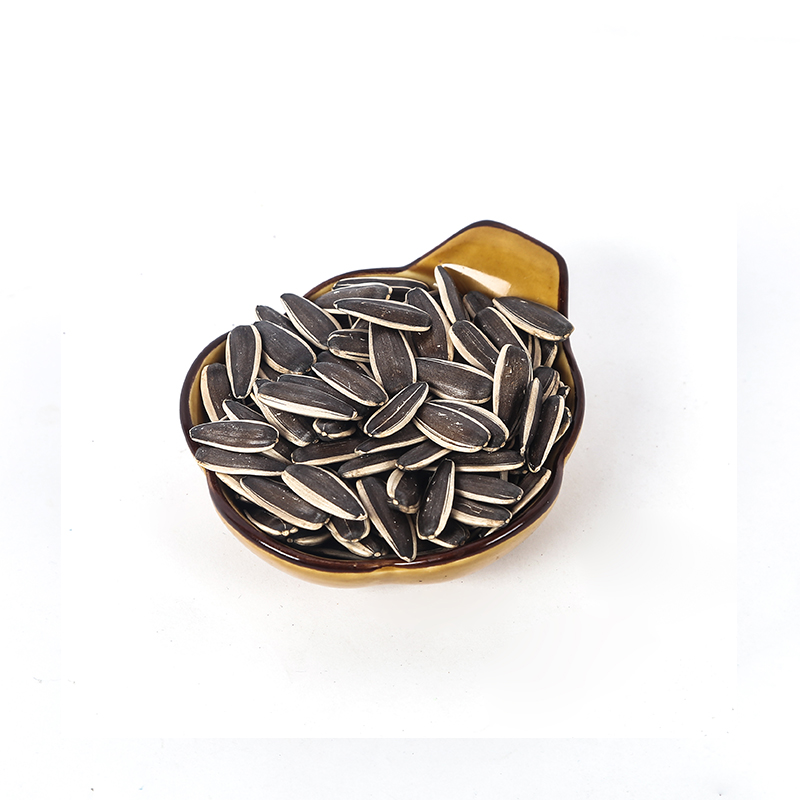
New crop sunflower seeds kernel represent the harvested seeds of the Helianthus annuus plant, specifically selected for optimal oil content, protein levels, and overall kernel quality. Positioned as a crucial intermediate product within the vegetable oil, snack food, and animal feed industries, these kernels undergo processing to extract oil, produce confectionary seeds, or serve as a protein-rich ingredient. Core performance characteristics revolve around oil yield (typically 40-50% by weight), protein content (18-25%), moisture content (below 10%), and the absence of hull damage or foreign material. The 2024 crop represents advancements in breeding programs focusing on increased oleic acid content for improved oxidative stability and extended shelf life, a significant differentiator in the competitive oilseed market. The primary industrial pain point is maintaining consistent kernel quality across varying environmental conditions during growth and harvest, impacting downstream processing efficiency and final product quality. Variations in fatty acid profile and contaminant levels necessitate rigorous quality control throughout the supply chain.
Material Science & Manufacturing
Sunflower seed kernels are composed primarily of lipid (oil) fractions, proteins, carbohydrates, and fiber, encased within a seed coat. The oil consists largely of triglycerides containing linoleic, oleic, and palmitic acids. The protein fraction consists of globulins and albumins, vital for nutritional value. Kernel hardness and density are directly related to oil content; higher oil content generally correlates with increased density. Manufacturing begins with field harvesting, typically employing combine harvesters equipped with specialized heads to minimize seed damage. Post-harvest, cleaning processes remove debris (stalks, leaves, dirt) using screens, air separation, and destoners. Drying is crucial, reducing moisture content from 20-30% to below 10% to prevent fungal growth and preserve oil quality. This is commonly achieved through forced-air drying systems with precise temperature control (typically below 45°C to avoid protein denaturation). Dehulling is an optional process depending on intended end-use; for oil extraction, hulls are often removed to maximize oil yield. Key parameter control during drying involves maintaining optimal airflow, temperature gradients, and monitoring moisture content using capacitance sensors. Seed storage requires controlled temperature and humidity (below 60% relative humidity) to inhibit rancidity and maintain germination rates for seed stock.
Performance & Engineering
Performance assessment of sunflower seed kernels centers on several key engineering properties. First, bulk density and angle of repose are critical for storage and conveying system design. Kernels exhibit non-Newtonian flow behavior, requiring considerations for hopper design to prevent bridging and clogging. Mechanical strength, measured through compression and shear testing, determines resistance to damage during handling and processing. The fracture resistance relates to the shell's tensile strength and its ability to withstand impact. Environmental resistance is primarily focused on preventing lipid oxidation, influenced by temperature, oxygen exposure, and the presence of metal ions. Packaging materials play a crucial role in limiting oxygen transmission rates (OTR) and moisture vapor transmission rates (WVTR). Compliance requirements depend on the intended application; for food-grade kernels, adherence to Food Safety System Certification (FSSC) 22000 and regulatory guidelines from organizations like the FDA (US) and EFSA (Europe) is essential. For animal feed, compliance with regulations regarding aflatoxin levels and pesticide residues is paramount. Force analysis during oil extraction focuses on optimizing pressing or solvent extraction parameters to maximize oil yield while minimizing kernel damage.
Technical Specifications
| Parameter | Unit | Typical Value (New Crop 2024) | Standard Deviation |
|---|---|---|---|
| Oil Content (Dry Basis) | % | 46.5 | 2.0 |
| Protein Content (Dry Basis) | % | 22.0 | 1.5 |
| Moisture Content | % | 8.5 | 0.5 |
| Kernel Size (Average Diameter) | mm | 8.0 | 0.8 |
| Linoleic Acid Content | % of Total Fatty Acids | 58.0 | 3.0 |
| Oleic Acid Content | % of Total Fatty Acids | 25.0 | 4.0 |
Failure Mode & Maintenance
Sunflower seed kernels are susceptible to several failure modes. Lipid oxidation, leading to rancidity, is a primary concern, accelerated by exposure to oxygen, light, and elevated temperatures. This manifests as off-flavors and reduced nutritional value. Biological degradation, due to fungal growth (e.g., Aspergillus flavus producing aflatoxins), is another critical failure mode, requiring stringent storage conditions and pre-harvest monitoring. Physical damage during harvesting, handling, and processing (cracking, chipping, hull damage) reduces processing efficiency and can introduce contaminants. Fatigue cracking in kernels subjected to repeated compressive loads (e.g., during oil extraction) can lead to fines and reduced oil yield. Maintenance practices focus on preventative measures: maintaining proper drying and storage conditions (temperature control, humidity control, pest control), implementing robust cleaning protocols, and minimizing mechanical stress during processing. Regular monitoring for aflatoxin levels and peroxide value (a measure of oxidation) is crucial. For long-term storage, inert gas packaging (nitrogen or carbon dioxide) can significantly reduce oxidation rates. Proper calibration and maintenance of drying equipment are essential to prevent overheating and protein denaturation.
Industry FAQ
Q: What is the significance of high oleic sunflower seed kernels, and how does it impact oil quality?
A: High oleic kernels contain a significantly higher proportion of oleic acid (typically >70-80%) compared to traditional sunflower oil. This increased oleic acid content imparts greater oxidative stability, resulting in longer shelf life, reduced need for hydrogenation (eliminating trans fats), and improved frying performance due to higher smoke point. High oleic oil is preferred for applications requiring stability at elevated temperatures and extended storage periods.
Q: What are the critical factors influencing aflatoxin contamination in sunflower seed kernels?
A: Aflatoxin contamination is primarily linked to Aspergillus flavus fungal growth, favored by drought stress during flowering and seed fill, insect damage, and improper drying and storage practices. High temperatures and humidity exacerbate the risk. Implementing drought-resistant varieties, integrated pest management, rapid and thorough drying, and maintaining low moisture content during storage are crucial for minimizing aflatoxin levels.
Q: How is the moisture content of sunflower seed kernels measured and controlled?
A: Moisture content is typically measured using capacitance sensors or oven-drying methods. Capacitance sensors provide rapid, non-destructive readings, while oven-drying (typically at 130°C for several hours) offers a more accurate, but slower, determination. Control is achieved through forced-air drying systems, adjusting airflow rate, air temperature, and drying time to achieve the target moisture content (typically below 10%).
Q: What is the impact of hull damage on the oil extraction process?
A: Hull damage increases the surface area exposed to air and moisture, accelerating oxidation and increasing the risk of fungal contamination. It also leads to increased fines (small kernel fragments) during grinding and pressing, reducing oil yield and increasing processing costs. Careful harvesting and handling practices are essential to minimize hull damage.
Q: What are the common methods for detecting and quantifying oil content in sunflower seed kernels?
A: Oil content is commonly determined using solvent extraction methods (e.g., Soxhlet extraction) utilizing hexane. Near-infrared (NIR) spectroscopy offers a rapid, non-destructive alternative, providing accurate estimates of oil content based on spectral analysis. Chemical methods involving acid hydrolysis and titration can also be employed.
Conclusion
New crop sunflower seeds kernel represent a critical feedstock for numerous industrial applications, with kernel quality profoundly impacting downstream processing efficiency and final product characteristics. Understanding the interplay between material science, manufacturing processes, and performance parameters is crucial for optimizing oil yield, protein content, and overall kernel stability. Emphasis on proper drying, storage, and quality control measures is paramount to mitigate failure modes such as lipid oxidation and biological degradation, ensuring consistent product quality and minimizing economic losses.
Future advancements in sunflower breeding will likely focus on enhancing drought tolerance, increasing oleic acid content further, and improving resistance to fungal pathogens. Implementing precision agriculture techniques, coupled with advanced monitoring technologies, will enable more efficient harvesting and processing, reducing waste and optimizing resource utilization. Continued adherence to international quality standards and regulatory guidelines will be essential to ensure the safety and traceability of sunflower seed kernels throughout the supply chain.
