
Introduction
New crop sunflower seeds ( Helianthus annuus) represent the initial harvest following agricultural production, distinguished by their elevated oil content, superior germination rates, and reduced levels of mycotoxins compared to older stock. These seeds occupy a critical position within the agricultural supply chain, functioning as a foundational input for edible oil production, livestock feed, confectionary products, and increasingly, biofuel applications. The performance of new crop seeds is primarily defined by oil yield (%), protein content (%), moisture content (%), and the absence of deleterious substances like aflatoxins. Ensuring consistent quality and adherence to international standards are paramount concerns for both producers and end-users. Understanding the nuances of seed physiology, storage conditions, and processing techniques is vital for maximizing economic return and mitigating risks within a competitive global market.
Material Science & Manufacturing
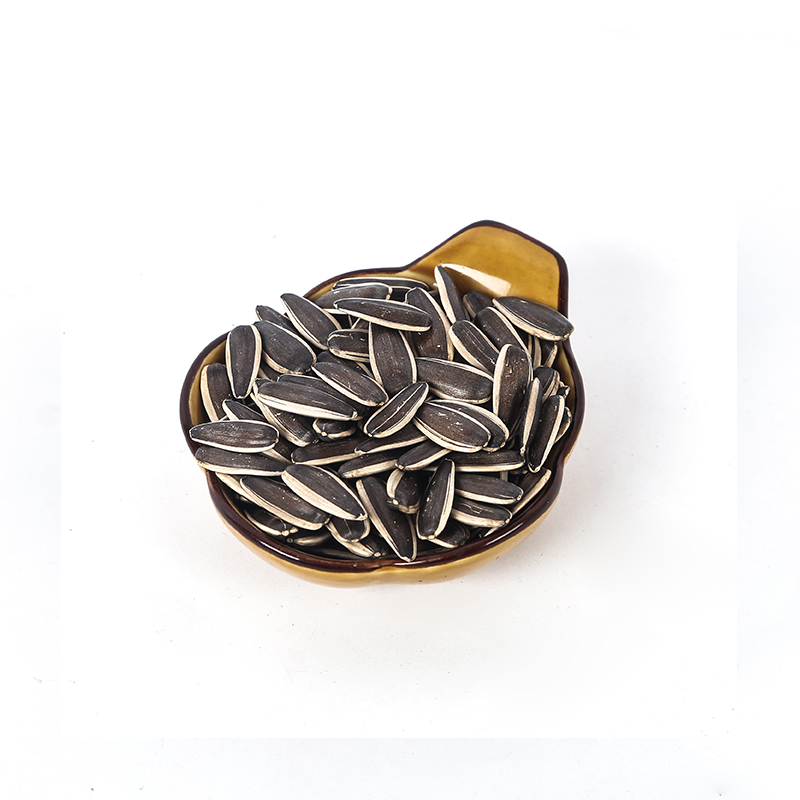
Sunflower seed composition is fundamentally determined by genetics, environmental factors during growth, and post-harvest processing. The seed itself is comprised of a hull (pericarp), kernel (cotyledon), and embryo. The kernel, constituting approximately 65-75% of the seed weight, contains the majority of the oil and protein. The oil primarily consists of triglycerides, with linoleic acid (C18:2) and oleic acid (C18:1) as dominant fatty acids. Hull composition is primarily cellulose and hemicellulose, providing structural integrity. Manufacturing begins with field cultivation, prioritizing soil health and irrigation strategies. Harvesting typically occurs at physiological maturity, indicated by a dark seed coat and moisture content around 18-20%. Post-harvest processing includes cleaning, drying (to 8-10% moisture content to inhibit fungal growth), dehulling (mechanical removal of the hull), and grading based on size and quality. Parameter control during drying is crucial; excessive temperatures (above 60°C) can denature proteins and reduce oil quality. Dehulling efficiency directly impacts oil extraction yields. Seed quality is also impacted by the seed's genetic lineage, with high-oleic and mid-oleic varieties becoming increasingly common due to their enhanced oxidative stability. The control of temperature, humidity, and airflow during storage is vital to prevent lipid peroxidation and maintain germination viability.
Performance & Engineering
The performance of new crop sunflower seeds is assessed through rigorous physical and chemical analysis. Oil yield is directly correlated to seed size and kernel density. Germination rate, typically exceeding 85% for high-quality seeds, is a critical indicator of viability and planting success. The oil extraction process, commonly employing solvent extraction (hexane) or mechanical pressing, is governed by principles of mass transfer and fluid dynamics. The efficiency of extraction is dependent on particle size distribution, solvent-to-seed ratio, and temperature. Environmental resistance pertains to the seed’s ability to withstand temperature fluctuations, humidity variations, and the presence of pathogens during storage and transportation. Compliance requirements encompass adherence to regulations established by food safety authorities (e.g., FDA, EFSA) regarding permissible levels of contaminants (aflatoxins, pesticides) and the documentation of traceability throughout the supply chain. Engineering considerations extend to the design of storage facilities, ensuring adequate ventilation and temperature control to prevent seed deterioration. Furthermore, seed coating technologies, utilizing polymers and biocides, are employed to enhance germination rates and protect against fungal and insect infestations. Force analysis during dehulling focuses on minimizing kernel damage while efficiently removing the hull, impacting both yield and seed quality.
Technical Specifications
| Parameter | Unit | Typical Value (New Crop) | Standard Deviation |
|---|---|---|---|
| Oil Content | % (dry weight basis) | 48-54 | ±2.5 |
| Protein Content | % (dry weight basis) | 18-24 | ±1.5 |
| Moisture Content | % | 8-10 | ±0.5 |
| Germination Rate | % | >88 | ±3 |
| Aflatoxin B1 | ppb | <2 | N/A (regulatory limit) |
| Free Fatty Acids (FFA) | % oleic acid | <1.0 | ±0.2 |
Failure Mode & Maintenance
Failure modes in new crop sunflower seeds encompass several categories. Lipid oxidation, induced by exposure to oxygen, light, and elevated temperatures, leads to rancidity, reduced oil quality, and decreased nutritional value. This manifests as increased FFA content and development of off-flavors. Fungal contamination, particularly by Aspergillus flavus and Aspergillus parasiticus, results in aflatoxin production, posing a significant health hazard. Mechanical damage during harvesting, dehulling, or transportation can compromise seed integrity, reducing germination rates and increasing susceptibility to pest infestation. Insect infestation by storage pests (e.g., weevils, moths) causes direct seed loss and contamination. Moisture absorption during storage elevates the risk of fungal growth and lipid hydrolysis. Maintenance strategies involve controlled storage environments (temperature < 15°C, relative humidity <65%), regular monitoring for pest activity, and the implementation of aeration systems to prevent moisture buildup. The use of airtight storage containers and inert gas blanketing (nitrogen) can minimize oxidation. Preventative fungicide treatments, applied during growth or post-harvest, can mitigate fungal contamination. Regular quality control testing, including aflatoxin analysis and germination assays, is essential for identifying and addressing potential issues.
Industry FAQ
Q: What is the primary difference between high-oleic and linoleic sunflower seeds from a processing perspective?
A: High-oleic seeds exhibit superior oxidative stability due to their higher oleic acid content. This translates to a longer shelf life for the resulting oil, reduced need for hydrogenation (a process that creates trans fats), and lower susceptibility to rancidity. Processing requires less stringent antioxidant addition during refining. Linoleic seeds, while more prone to oxidation, are often preferred for specific applications requiring polyunsaturated fatty acids.
Q: How does moisture content impact the long-term storage of sunflower seeds?
A: Moisture content is a critical factor. Above 10%, the risk of fungal growth (and aflatoxin production) significantly increases. Elevated moisture also accelerates lipid hydrolysis, leading to FFA formation and reduced oil quality. Maintaining a moisture content below 8% is crucial for long-term viability and preventing deterioration.
Q: What analytical methods are used to determine the quality of new crop sunflower seeds?
A: Common analytical methods include oil content determination (solvent extraction or NMR), protein content determination (Kjeldahl method), moisture content determination (oven drying), germination rate assessment (standard laboratory germination tests), and aflatoxin analysis (HPLC or ELISA). Fatty acid composition is typically determined via gas chromatography (GC).
Q: What are the implications of exceeding the permissible aflatoxin limits in sunflower seeds?
A: Exceeding permissible limits (typically 2 ppb in many jurisdictions) renders the seeds unsuitable for human and animal consumption. Affected lots may be rejected by buyers, downgraded to industrial applications (e.g., biofuel), or destroyed. Strict adherence to Good Agricultural Practices (GAP) and proper storage protocols are essential for minimizing aflatoxin contamination.
Q: What role does seed size play in the overall oil yield?
A: Generally, larger seeds tend to have a higher oil content. Seed size is a heritable trait and is often a selection criterion in breeding programs. However, seed size isn't the sole determinant of oil yield; kernel density and oil-to-kernel ratio are also significant factors. Efficient dehulling is critical for maximizing yield from all seed sizes.
Conclusion
New crop sunflower seeds represent a vital agricultural commodity with a complex interplay of material science, manufacturing processes, and stringent quality control requirements. Achieving optimal performance necessitates a holistic understanding of seed physiology, environmental factors, and potential failure modes. Proper storage, meticulous processing, and adherence to international standards are critical for maximizing oil yield, ensuring food safety, and maintaining market competitiveness.
Future advancements in sunflower seed technology are focused on developing varieties with enhanced oil content, improved resistance to pests and diseases, and optimized fatty acid profiles. The integration of precision agriculture techniques, including sensor-based monitoring and data analytics, promises to further refine cultivation and processing practices. Continuous research and development efforts are essential for addressing evolving market demands and ensuring the long-term sustainability of the sunflower seed industry.
