Introduction
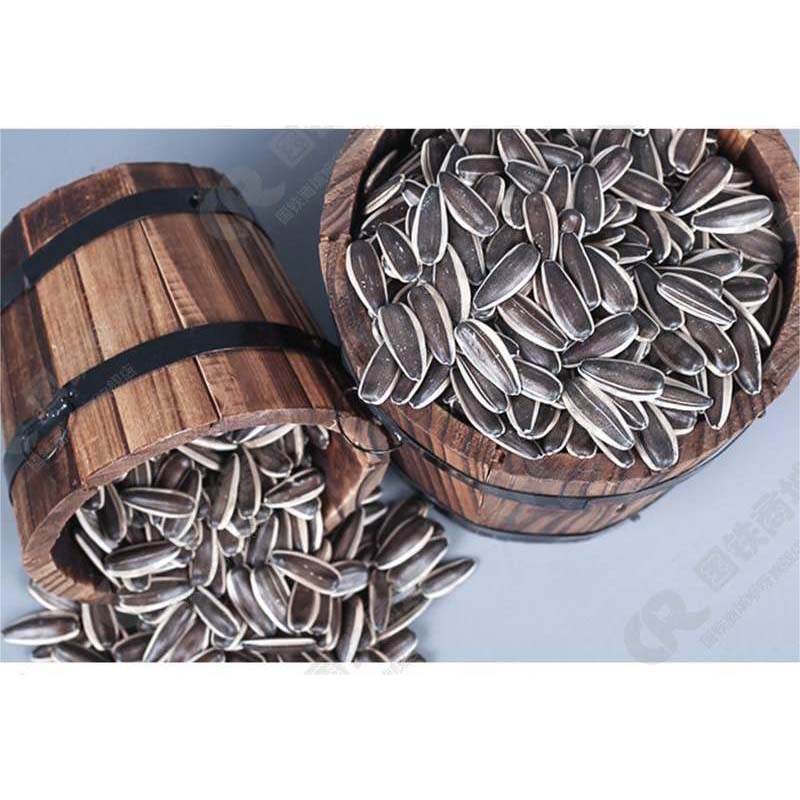
Raw sunflower seeds ( Helianthus annuus ) are the immature fruits of the sunflower plant, representing a significant agricultural commodity utilized primarily for human consumption and, to a lesser extent, as a feed source for livestock and poultry. Positioned early in the supply chain, they serve as the foundational input for various processed products including roasted seeds, sunflower oil, and sunflower seed meal. Core performance characteristics are defined by oil content, protein content, fatty acid profile, kernel size and weight, and levels of contaminants. The industry faces increasing scrutiny regarding mycotoxin presence, genetic purity, and sustainable farming practices, driving demand for higher quality and traceability. Understanding these factors is crucial for procurement and efficient processing within the food industry.
Material Science & Manufacturing
Sunflower seeds are comprised of several distinct anatomical layers, each contributing to their overall properties. The hull, or pericarp, is a rigid outer layer providing physical protection. Beneath the hull lies the kernel, rich in oil (typically 40-50% by weight) and protein (18-25% by weight). The oil composition is dominated by linoleic acid (an omega-6 fatty acid) and oleic acid (an omega-9 fatty acid), impacting its stability and nutritional value. Manufacturing commences with field cultivation and harvesting. Moisture content at harvest is critical, ideally around 9-12% to prevent fungal growth and mycotoxin production. Subsequent drying processes, employing forced-air or controlled-temperature systems, reduce moisture to 7-8% for safe storage. De-hulling is achieved through mechanical abrasion, carefully calibrated to minimize kernel damage. Grading is performed based on size, density, and the presence of foreign matter. Kernel color also provides an initial quality indicator, with darker seeds generally indicating higher oil content. Parameter control during drying is paramount. Maintaining temperature below 45°C prevents protein denaturation and lipid oxidation. Hulling pressure must be optimized to prevent kernel fractures, reducing yield and increasing fines.
Performance & Engineering
Performance analysis of raw sunflower seeds centers on their suitability for oil extraction and subsequent oil quality. Oil yield is directly correlated with kernel oil content and the efficiency of the extraction process (typically solvent extraction using hexane). Seed hardness impacts energy consumption during de-hulling and milling. The hull’s compressive strength dictates the forces required for effective removal without damaging the kernel. Environmental resistance is primarily focused on storage stability. Seeds are susceptible to oxidation, leading to rancidity and reduced oil quality. Oxygen Transmission Rate (OTR) and Water Vapor Transmission Rate (WVTR) of packaging materials are therefore crucial engineering considerations. Compliance requirements include adherence to food safety regulations such as those established by the FDA (Food and Drug Administration) and EFSA (European Food Safety Authority), particularly concerning mycotoxin levels (aflatoxins, ochratoxin A) and pesticide residues. The fatty acid profile must also meet specifications for nutritional labeling and health claims. The seeds' bulk density is relevant for storage and transport engineering, influencing storage capacity and logistical costs.
Technical Specifications
| Parameter | Unit | Typical Range | Test Method |
|---|---|---|---|
| Oil Content (Dry Basis) | % | 40-55 | AOAC 989.19 |
| Protein Content (Dry Basis) | % | 18-25 | Kjeldahl Method (AOAC 978.05) |
| Moisture Content | % | 7-10 | Oven Drying (AACC Method 44-16) |
| Kernel Size (Average Diameter) | mm | 8-12 | Sieve Analysis |
| Hull Content | % | 5-15 | Visual Inspection & Weight Loss |
| Free Fatty Acids (FFA) | % Oleic Acid | <1.0 | Titration (AOCS Cd 3-63) |
Failure Mode & Maintenance
Raw sunflower seeds are susceptible to several failure modes impacting quality and marketability. Lipid oxidation, driven by exposure to oxygen, light, and heat, leads to rancidity and off-flavors. This is a major concern during storage. Mycotoxin contamination, particularly by Aspergillus species, poses a significant health risk. Physical damage during harvesting, de-hulling, and handling results in kernel fractures, reducing oil yield and increasing fines. Insect infestation can lead to significant losses and contamination. Proper maintenance of storage facilities is critical. This includes temperature and humidity control, regular cleaning to prevent insect buildup, and aeration to maintain uniform moisture content. Implementing a robust HACCP (Hazard Analysis and Critical Control Points) plan is essential for mitigating mycotoxin risks. Packaging in airtight containers with oxygen absorbers can minimize oxidation. Regular quality control testing for mycotoxins, FFA levels, and physical damage is vital to ensure product integrity. Preventative maintenance of harvesting and processing equipment minimizes physical damage.
Industry FAQ
Q: What are the critical factors influencing sunflower oil yield during extraction?
A: Sunflower oil yield is primarily determined by kernel oil content, which is genetically influenced and affected by growing conditions. However, the efficiency of the extraction process – including solvent type, temperature, and residence time – significantly impacts yield. Minimizing kernel damage during pre-treatment (de-hulling, flaking) is also crucial, as damaged cells release less oil.
Q: How do different sunflower seed varieties vary in terms of fatty acid profile, and why is this important?
A: Sunflower seed varieties are classified as high-oleic, mid-oleic, and linoleic. High-oleic varieties contain >70% oleic acid, offering greater oxidative stability and longer shelf life for the resulting oil. Linoleic varieties contain predominantly linoleic acid. This is crucial as the fatty acid profile impacts the oil's nutritional value, application (cooking, industrial uses), and susceptibility to rancidity.
Q: What are the regulatory limits for aflatoxins in sunflower seeds in different global markets?
A: Regulatory limits for aflatoxins vary. The EU sets a maximum level of 2.0 ppb (parts per billion) for total aflatoxins in sunflower seeds. The US FDA has an action level of 20 ppb. Other countries have their own specific regulations, often based on Codex Alimentarius guidelines. Consistent monitoring and adherence to these limits are crucial for international trade.
Q: What preventative measures can be taken to minimize mycotoxin contamination in sunflower seeds during storage?
A: Maintaining low moisture content (<8%), ensuring proper aeration to prevent localized heating, and controlling insect populations are paramount. Regular inspection for signs of fungal growth and prompt removal of contaminated batches are also essential. Implementing a mycotoxin testing program and utilizing storage facilities with effective temperature and humidity control are best practices.
Q: How does hull content impact the efficiency of oil extraction and the quality of the resulting meal?
A: Higher hull content reduces the oil concentration per unit weight of seed, lowering overall oil yield. Hulls also absorb solvent during extraction, increasing solvent consumption and recovery costs. In sunflower meal (the byproduct after oil extraction), a higher hull content reduces the protein concentration and nutritional value, decreasing its marketability as animal feed.
Conclusion
Raw sunflower seeds represent a complex agricultural product with performance characteristics governed by genetics, agricultural practices, and post-harvest handling. Achieving optimal oil yield and ensuring food safety require meticulous control over moisture content, prevention of mycotoxin contamination, and minimization of physical damage. Understanding the interplay between seed composition, manufacturing processes, and regulatory standards is critical for industry stakeholders.
Future trends will likely focus on developing sunflower varieties with enhanced oil content, improved fatty acid profiles, and increased resistance to fungal diseases. Sustainable farming practices, including reduced pesticide use and water conservation, will become increasingly important to meet consumer demand for environmentally friendly products. Enhanced traceability systems, leveraging blockchain technology, will provide greater transparency throughout the supply chain.
