Introduction
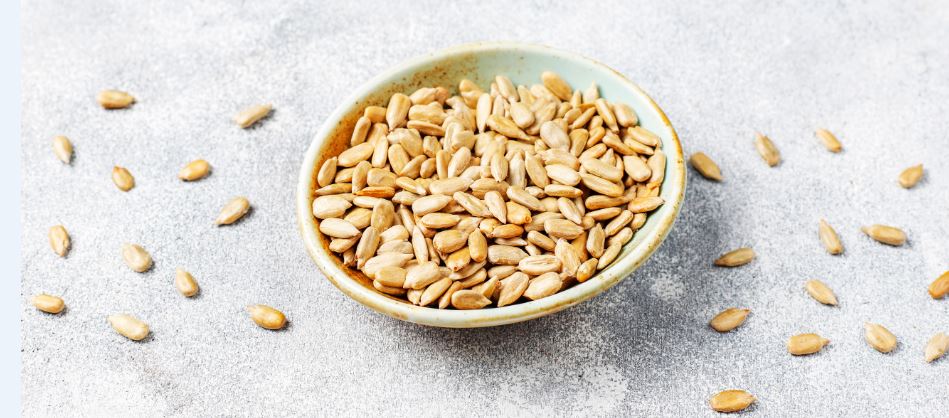
Roasted sunflower seeds in shell (Helianthus annuus) represent a significant segment of the snack food industry, particularly within Eastern European, Asian, and increasingly Western markets. Technically categorized as oilseeds, these seeds undergo a complex processing sequence involving drying, dehulling (partial, in this case), roasting, and flavoring. Their technical position in the agricultural and food processing chain falls between primary agricultural production and consumer-packaged goods. Core performance characteristics hinge upon kernel moisture content, oil content, shell integrity, and the uniformity of the roasting process. These factors directly influence texture, flavor, shelf life, and ultimately, consumer acceptance. A key industry pain point lies in maintaining consistent kernel quality despite variations in seed source, achieving optimal roast profiles to avoid acrylamide formation, and minimizing shell fragmentation during processing and handling. Furthermore, maintaining sensory attributes while adhering to evolving food safety regulations presents a continual challenge. The economic viability is also impacted by efficient dehulling techniques that balance kernel recovery with minimal shell damage. This guide provides a comprehensive technical overview of roasted sunflower seeds in shell, encompassing material science, manufacturing processes, performance engineering, failure analysis, and relevant industry standards.
Material Science & Manufacturing
Sunflower seeds are composed primarily of lipids (40-50% by weight), proteins (20-25%), carbohydrates (15-20%), and fiber (5-10%), with trace amounts of vitamins and minerals. The lipid composition is rich in linoleic acid, an omega-6 fatty acid, contributing significantly to the seed’s nutritional value and susceptibility to oxidation. The shell, or pericarp, is comprised of cellulose, hemicellulose, and lignin, providing a protective barrier but also posing challenges during the dehulling and processing stages. Manufacturing begins with harvesting and initial drying to reduce moisture content to approximately 8-10%, inhibiting microbial growth and enzymatic activity. Dehulling is a critical process, typically performed mechanically using abrasive or impact methods. Achieving a balance between kernel recovery and maintaining shell integrity is paramount. Incomplete dehulling leads to consumer dissatisfaction, while excessive force damages the kernel. Roasting is generally conducted using continuous rotary or fluidized bed roasters, maintaining temperatures between 120-180°C for varying durations (15-60 minutes). Precise temperature control is crucial to develop desired flavor profiles (Maillard reaction) and achieve optimal texture without inducing lipid oxidation or acrylamide formation. Flavoring is typically applied post-roasting via dry or wet coating processes, utilizing salt, spices, and potentially artificial flavorings. Key parameter control includes monitoring seed moisture content throughout processing, regulating roasting temperature and time, and ensuring consistent flavoring application. The impact of seed variety (oil content, shell thickness) on process optimization cannot be overstated; high-oleic varieties exhibit improved oxidative stability but may require adjusted roasting parameters.
Performance & Engineering
Performance analysis of roasted sunflower seeds in shell centers around several key engineering considerations. First, shell strength and its resistance to cracking during handling, transportation, and consumption are critical. Finite element analysis (FEA) can be employed to model stress distribution within the shell under various loading conditions, optimizing shell thickness and identifying potential failure points. Second, moisture migration and its impact on shelf life are paramount. Water activity (Aw) must be maintained below 0.6 to inhibit microbial growth and prevent rancidity. Packaging materials with appropriate barrier properties (water vapor transmission rate – WVTR) are therefore essential. Third, the roasting process itself involves significant heat and mass transfer considerations. Optimizing roasting parameters to maximize flavor development while minimizing acrylamide formation requires a thorough understanding of reaction kinetics and diffusion mechanisms. Fourth, the frictional properties of the seeds and shells influence the efficiency of processing equipment such as conveyors and graders. Coefficient of friction testing is crucial for selecting appropriate materials and designing effective handling systems. Compliance requirements include adherence to food safety regulations (e.g., FDA in the US, EFSA in Europe) regarding heavy metal content, pesticide residues, and microbiological contaminants. Furthermore, packaging must comply with labeling regulations and environmental standards. Sensory evaluation plays a vital role in performance assessment, quantifying parameters such as crunchiness, flavor intensity, and overall acceptability.
Technical Specifications
| Parameter | Unit | Typical Value | Testing Method |
|---|---|---|---|
| Kernel Moisture Content | % (Weight) | 8-12 | Oven Drying (AOAC 925.10) |
| Kernel Oil Content | % (Weight) | 40-55 | Soxhlet Extraction (AOAC 920.39) |
| Shell Moisture Content | % (Weight) | 6-8 | Oven Drying (AOAC 925.10) |
| Shell Integrity (Cracking Resistance) | N (Force) | >50 | Compression Testing (ASTM D695) |
| Water Activity (Aw) | - | <0.6 | Water Activity Meter (ASTM E337) |
| Peroxide Value (Indicator of Rancidity) | meq O2/kg | <5 | Titration (AOCS Cd 8-53) |
Failure Mode & Maintenance
Failure modes in roasted sunflower seeds in shell can be categorized as kernel-related, shell-related, and flavor/quality degradation. Kernel failures include rancidity (due to lipid oxidation), acrylamide formation (during roasting), and cracking (due to mechanical stress). Shell failures involve fragmentation, leading to increased dust and reduced product appeal, and complete breakage compromising protection. Flavor and quality degradation manifest as off-flavors (due to oxidation or microbial contamination), loss of crunchiness (due to moisture absorption), and discoloration. Common causes of rancidity include exposure to oxygen, light, and elevated temperatures. Acrylamide formation is influenced by roasting temperature, time, and seed reducing sugar content. Shell fragmentation is often a result of aggressive dehulling, impact damage during handling, or inadequate shell strength. Preventive maintenance focuses on rigorous quality control of raw materials, optimized roasting profiles, and protective packaging. Regular monitoring of peroxide value and acrylamide levels is essential. Equipment maintenance includes inspecting and replacing worn parts in dehulling and roasting machinery, ensuring proper calibration of temperature sensors, and maintaining a clean processing environment to minimize microbial contamination. Packaging materials should be inspected for integrity (seal strength, barrier properties) and replaced as needed. Storage conditions (temperature, humidity, light exposure) must be carefully controlled to maximize shelf life and prevent degradation. Corrective actions include segregation of off-quality batches, adjusting roasting parameters, and improving handling procedures.
Industry FAQ
Q: What is the primary factor influencing the shelf life of roasted sunflower seeds in shell?
A: The primary factor is the rate of lipid oxidation, leading to rancidity. This is influenced by oxygen exposure, temperature, light, and the initial oil composition of the seeds. Maintaining a low water activity (Aw < 0.6) and utilizing packaging with appropriate oxygen barrier properties are critical for extending shelf life.
Q: How can acrylamide formation be minimized during the roasting process?
A: Acrylamide formation can be minimized by optimizing roasting temperature and time, avoiding excessive temperatures (below 180°C is generally recommended), and potentially utilizing reducing sugar inhibitors. Selecting seed varieties with lower reducing sugar content can also help.
Q: What are the key considerations when selecting packaging materials for roasted sunflower seeds?
A: Key considerations include water vapor transmission rate (WVTR), oxygen transmission rate (OTR), seal strength, and resistance to puncture and tearing. The packaging must protect the seeds from moisture, oxygen, and physical damage, maintaining product quality and extending shelf life.
Q: What role does seed variety play in the roasting process and final product quality?
A: Seed variety significantly influences oil content, shell thickness, and reducing sugar content. High-oleic varieties offer improved oxidative stability but may require adjusted roasting parameters. Shell thickness impacts dehulling efficiency and kernel protection. Reducing sugar content affects acrylamide formation potential.
Q: What methods are used to assess the quality of raw sunflower seeds before roasting?
A: Quality assessment includes determining moisture content, oil content, kernel soundness (percentage of damaged or broken kernels), foreign material content, and seed viability. Testing for mycotoxins and pesticide residues is also crucial to ensure food safety.
Conclusion
Roasted sunflower seeds in shell represent a technically complex food product, requiring meticulous control over each stage of processing, from seed selection to packaging. Maintaining consistent kernel quality, optimizing roasting profiles for flavor and safety, and ensuring adequate barrier properties in packaging are paramount for producing a high-quality, shelf-stable product. The interplay between material science (seed composition, shell properties), process engineering (dehulling, roasting, flavoring), and quality control (moisture content, oil oxidation, acrylamide levels) is crucial for success.
Future trends in this industry will likely focus on sustainable sourcing, advanced roasting technologies (e.g., microwave or infrared roasting for improved energy efficiency and acrylamide control), and innovative packaging materials with enhanced barrier properties and reduced environmental impact. Continued research into seed genetics and optimization of processing parameters will be essential for further improving product quality and minimizing waste.
