Introduction
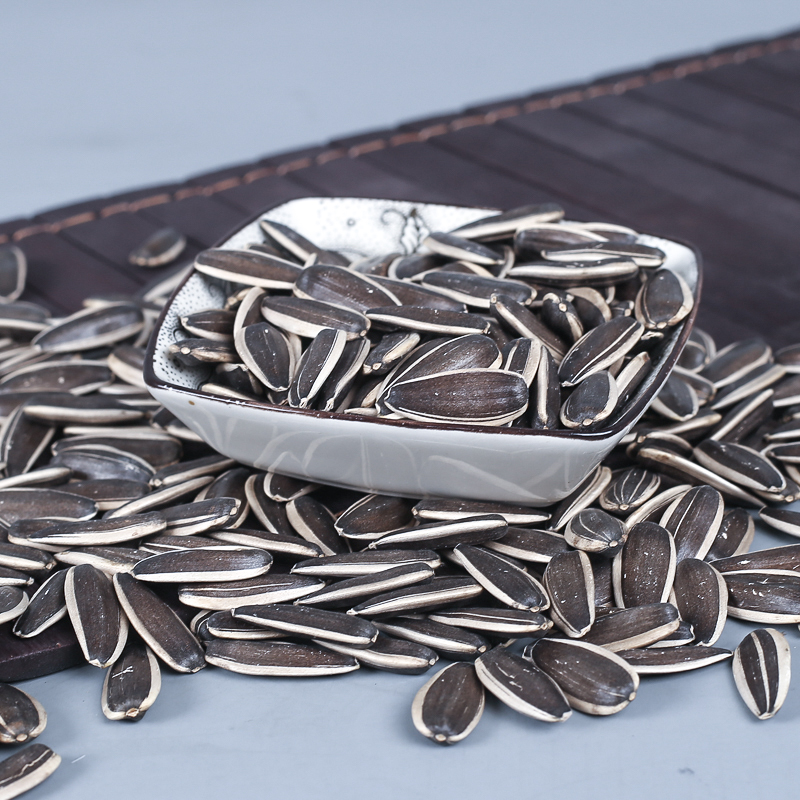
Roasted sunflower seeds represent a significant segment within the snack food industry, prized for their nutritional density and palatability. From a technical standpoint, their processing falls within the broader domain of seed oil extraction and post-harvest treatment. Sunflower seeds ( Helianthus annuus ) are an annual plant species cultivated for their edible seeds, which are typically classified as oilseeds due to their high lipid content. The roasting process is critical, impacting not only flavor profile and texture but also influencing the bioavailability of key nutrients and the stability of unsaturated fatty acids. This guide details the material science, manufacturing processes, performance characteristics, potential failure modes, and relevant standards associated with the production and analysis of roasted sunflower seeds, addressing core industry concerns related to quality control, shelf life, and nutritional integrity. The primary functional role of roasted sunflower seeds lies in providing a concentrated source of essential fatty acids, Vitamin E, magnesium, and protein, making them a valued component of various dietary patterns.
Material Science & Manufacturing
The raw material, the sunflower seed kernel, comprises approximately 40-50% oil, 20-25% protein, 15-20% carbohydrate, and 5-10% moisture. The oil predominantly consists of linoleic acid (a polyunsaturated omega-6 fatty acid) and oleic acid (a monounsaturated omega-9 fatty acid). The protein fraction includes essential amino acids, with a limiting amino acid often being lysine. Manufacturing commences with seed cleaning to remove debris, followed by dehulling – a mechanical process separating the kernel from the outer shell. Roasting, typically conducted at temperatures ranging from 120-180°C (248-356°F) for 15-30 minutes, is a crucial step. Parameter control is paramount; temperature, time, and humidity are tightly monitored. Maillard reaction kinetics are fundamental to flavor development, requiring precise temperature regulation to avoid acrylamide formation, a potential contaminant. Salt addition, often via a dry-rub or brine application, impacts moisture content and shelf life. Post-roasting, seeds may undergo seasoning with various flavorings. Controlling the water activity (aw) to below 0.6 is essential to inhibit microbial growth and lipid oxidation. Proper seed storage utilizes inert gas packaging (nitrogen flushing) to minimize oxygen exposure, further enhancing shelf life. Kernel density and oil content are assessed via near-infrared (NIR) spectroscopy. The impact of seed variety (confection vs. oilseed types) on roasting behavior is significant, with confection varieties possessing thicker hulls and differing oil profiles.
Performance & Engineering
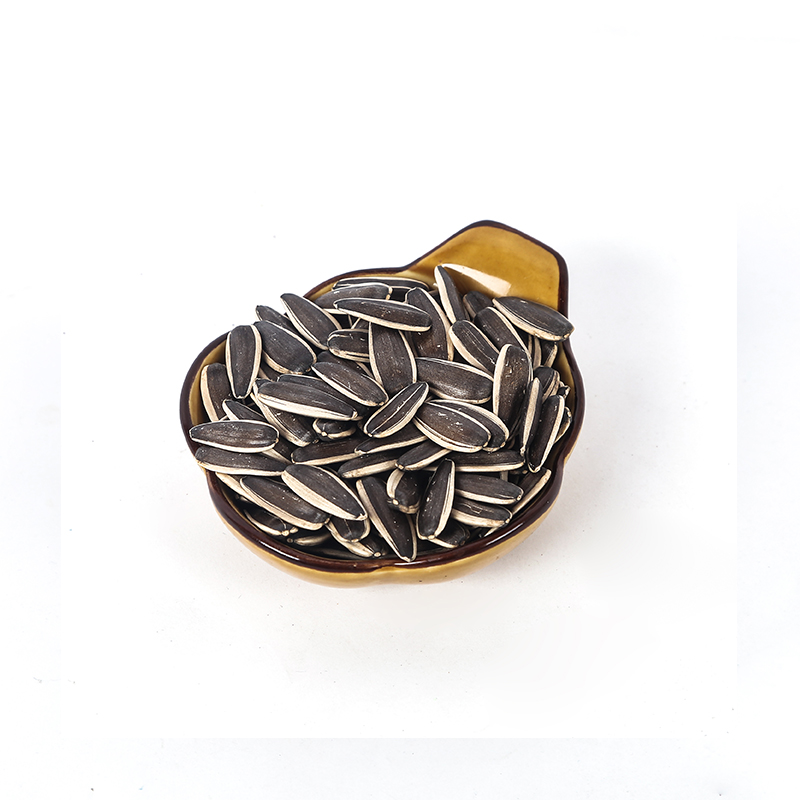
The mechanical properties of roasted sunflower seeds are critical for processing and consumer acceptance. Kernel hardness, measured using a compression test, dictates the degree of fracturing during handling and consumption. Shell strength (for in-shell varieties) influences dehulling efficiency. Fatty acid composition dictates oxidative stability. The rate of lipid peroxidation, assessed via the Rancimat method, determines shelf life. Vitamin E acts as a natural antioxidant, mitigating oxidation. Moisture content influences texture; excessively low moisture leads to brittleness, while high moisture promotes microbial growth. The performance of packaging materials is vital. Barrier properties, specifically oxygen transmission rate (OTR) and moisture vapor transmission rate (WVTR), govern the preservation of product quality. Compliance requirements, such as FDA regulations regarding food safety and labeling, must be met. The shear force required to crack a seed is a key parameter, correlating with consumer palatability. Analysis of volatile organic compounds (VOCs) via gas chromatography-mass spectrometry (GC-MS) identifies flavor profiles and detects potential off-flavors resulting from oxidation. Thermal stability, assessed via differential scanning calorimetry (DSC), characterizes phase transitions and decomposition temperatures.
Technical Specifications
| Parameter | Unit | Typical Value (Roasted Seeds) | Acceptable Range |
|---|---|---|---|
| Moisture Content | % | 4.0 | 2.0 - 6.0 |
| Oil Content | % | 45.0 | 40.0 - 50.0 |
| Protein Content | % | 22.0 | 20.0 - 25.0 |
| Linoleic Acid Content | % of Total Fat | 60.0 | 55.0 - 65.0 |
| Peroxide Value (PV) | meq O2/kg | 3.0 | < 5.0 |
| Water Activity (aw) | - | 0.55 | < 0.60 |
Failure Mode & Maintenance
Roasted sunflower seeds are susceptible to several failure modes. Rancidity, caused by lipid oxidation, is a primary concern, resulting in off-flavors and reduced nutritional value. This is accelerated by exposure to oxygen, light, and high temperatures. Microbial spoilage, particularly mold growth, can occur if moisture content is not adequately controlled. Acrylamide formation during roasting, although typically within acceptable limits, is a potential safety hazard. Physical damage during processing and handling (kernel fracturing, shell breakage) impacts product appearance and consumer acceptance. Dusting, the release of fine particles, can occur due to mechanical abrasion. Maintenance involves proper storage in cool, dry conditions, utilizing oxygen-barrier packaging. Regular monitoring of peroxide value and moisture content is crucial. Implementing a first-in, first-out (FIFO) inventory system minimizes storage time. Preventative maintenance of roasting and packaging equipment reduces mechanical damage. Controlling roasting parameters (temperature, time) minimizes acrylamide formation. Implementing a robust quality control program, including regular sensory evaluations and chemical analyses, is essential for ensuring product integrity.
Industry FAQ
Q: What is the primary driver of rancidity in roasted sunflower seeds?
A: The primary driver of rancidity is the oxidation of unsaturated fatty acids, particularly linoleic acid. This process is accelerated by exposure to oxygen, elevated temperatures, and the presence of metal ions.
Q: How is water activity (aw) related to shelf life?
A: Water activity (aw) is a critical factor in determining shelf life. Lower aw values inhibit microbial growth and reduce the rate of enzymatic reactions, extending shelf life. A value below 0.6 is generally considered safe for roasted sunflower seeds.
Q: What analytical techniques are used to assess oil quality?
A: Several analytical techniques are employed, including peroxide value (PV) determination, acid value determination, and analysis of fatty acid composition via gas chromatography (GC). The Rancimat method is also frequently used to assess oxidative stability.
Q: What is the acceptable level of acrylamide in roasted sunflower seeds according to regulatory standards?
A: Acceptable levels of acrylamide vary by regulatory region. Regulatory bodies like the FDA and the European Food Safety Authority (EFSA) have established limits to minimize consumer exposure, typically in the parts per billion (ppb) range.
Q: How does the roasting process impact the bioavailability of Vitamin E?
A: The roasting process can affect the bioavailability of Vitamin E. While moderate roasting can enhance its release from cellular structures, excessive roasting can lead to degradation of Vitamin E due to its sensitivity to heat and oxidation.
Conclusion
The production of high-quality roasted sunflower seeds necessitates a comprehensive understanding of material science, precise control of manufacturing parameters, and diligent monitoring of key performance indicators. Achieving optimal flavor, texture, and nutritional value requires careful attention to roasting temperature, moisture content, and packaging. The prevention of rancidity and microbial spoilage through proper storage and packaging techniques is paramount.
Future advancements may focus on optimizing roasting processes to minimize acrylamide formation, enhancing the bioavailability of nutrients through encapsulation techniques, and developing novel packaging materials with improved barrier properties. A continued emphasis on quality control and adherence to industry standards will be crucial for maintaining consumer confidence and ensuring the long-term sustainability of the roasted sunflower seed industry.
