Introduction
Roasted sunflower seeds, a globally consumed snack, represent a significant commodity within the food processing and agricultural industries. This technical guide focuses on the multifaceted aspects influencing roasted sunflower seed pricing, encompassing seed quality, processing parameters, market dynamics, and packaging considerations. The price of roasted sunflower seeds is not simply a function of weight; it is intrinsically linked to the biochemical composition of the kernel, the degree of roasting optimization affecting volatile compound formation, and the inherent costs associated with maintaining food safety and regulatory compliance. Understanding these interwoven factors is crucial for procurement managers, food scientists, and industry professionals involved in the sunflower seed supply chain. The price volatility of sunflower seeds is exacerbated by geopolitical factors impacting sunflower oil production and export, as well as weather-related crop yields, making a comprehensive analysis imperative for informed decision-making.
Material Science & Manufacturing
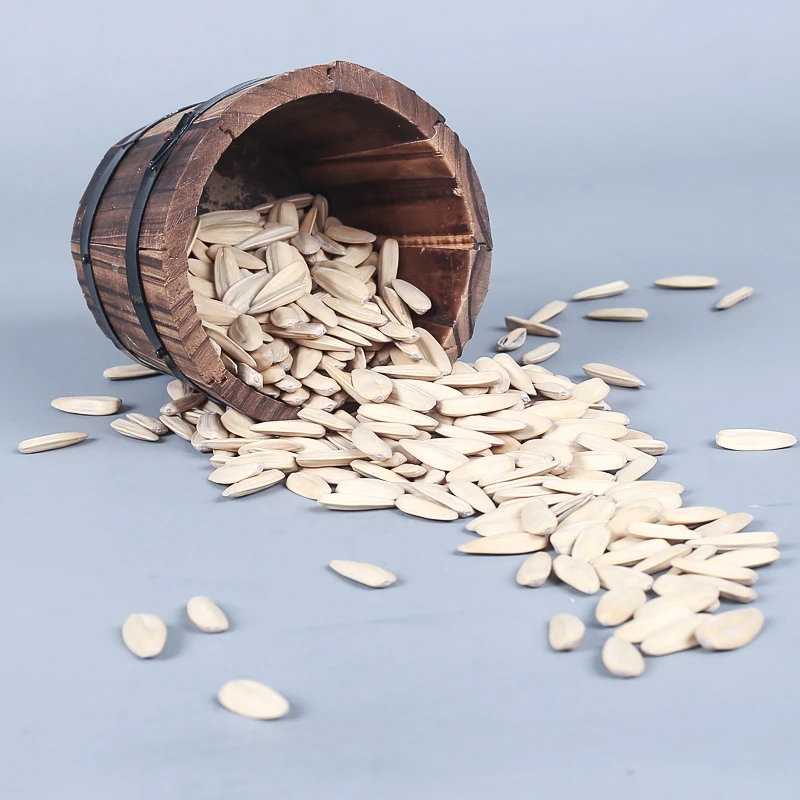
The primary raw material, sunflower seeds ( Helianthus annuus), exhibits variations in oil content (38-58%), protein content (18-26%), and moisture levels (8-12%). These parameters significantly impact the roasting process and ultimately, the price. Seed variety (confection vs. oilseed) dictates kernel size and shell thickness, influencing processing efficiency. Manufacturing commences with cleaning and grading to remove foreign material. The roasting process, typically utilizing hot air or oil-based systems, is a critical control point. Maillard reaction kinetics, driven by temperature (140-180°C) and moisture content, determine flavor development and color. Over-roasting leads to acrylamide formation and off-flavors, decreasing market value. Roasting parameters are carefully monitored using process analytical technology (PAT) to ensure consistency. Flavoring application, often employing dry seasoning or oil-based coatings, contributes to the final product cost. Packaging materials, selected based on barrier properties (oxygen, moisture) and shelf-life requirements, represent another significant cost component. A key manufacturing challenge lies in preventing lipid oxidation during storage, necessitating antioxidant addition and inert gas packaging.
Performance & Engineering
The structural integrity of the roasted kernel is paramount. Force analysis during shelling reveals the force required to fracture the shell, indicating seed maturity and processing parameters. Environmental resistance pertains to the product's ability to maintain quality under varying temperature and humidity conditions. Moisture content control is critical, as excessive moisture promotes microbial growth and rancidity. Compliance requirements are stringent, encompassing FDA regulations (USA), EFSA regulations (Europe), and relevant national food safety standards. Furthermore, packaging must meet regulatory standards for food contact materials. Functional implementation includes consistent flavor delivery, minimal shell fragments in the final product, and a desirable texture (crunchiness). Particle size distribution of the roasted kernels impacts mouthfeel and is therefore a key engineering consideration. The engineering of the roasting equipment itself – airflow dynamics, temperature uniformity – directly impacts product quality and energy efficiency. Packaging design must account for vibration encountered during transport to prevent kernel breakage and dust generation.
Technical Specifications
| Parameter | Unit | Specification (Standard Grade) | Premium Grade |
|---|---|---|---|
| Oil Content | % (Dry Weight Basis) | 48-52% | 53-58% |
| Moisture Content | % | ≤ 6% | ≤ 4% |
| Kernel Damage (Broken/Split) | % | ≤ 5% | ≤ 2% |
| Foreign Matter | % | ≤ 1% | ≤ 0.5% |
| Acrylamide Content | µg/kg | ≤ 100 | ≤ 50 |
| Peroxide Value (PV) | meq O2/kg | ≤ 10 | ≤ 5 |
Failure Mode & Maintenance
Common failure modes include rancidity (oxidative degradation of lipids), evidenced by off-flavors and odors; shell fragments causing mouthfeel defects; acrylamide formation due to over-roasting; and microbial contamination leading to spoilage. Fatigue cracking of shells during handling can occur, increasing kernel damage. Packaging failure, resulting in oxygen ingress, accelerates oxidation. Maintenance protocols involve regular cleaning of roasting equipment to prevent residue buildup and cross-contamination. Temperature sensors and control systems require calibration to ensure accurate roasting parameters. Storage facilities must be maintained at low temperatures (≤ 25°C) and humidity (≤ 60%) to minimize oxidation and microbial growth. Regular quality control testing for peroxide value, acrylamide content, and microbial load is essential. Implementing a First-In, First-Out (FIFO) inventory system minimizes storage time and reduces the risk of spoilage. Proactive preventative maintenance on packaging machinery reduces seal failures and maintains barrier integrity.
Industry FAQ
Q: What is the impact of global sunflower oil prices on roasted sunflower seed pricing?
A: Sunflower oil prices are a significant driver. A substantial portion of sunflower seed production is directed towards oil extraction. When sunflower oil prices increase due to geopolitical factors or supply chain disruptions, the demand for seeds for direct consumption (roasted seeds) often increases, driving up their price as well. This is particularly pronounced for confectionery-grade seeds.
Q: How does seed variety (confection vs. oilseed) affect the price differential?
A: Confection sunflower seeds, bred for larger kernel size, thinner shells, and higher oil content, command a premium price compared to oilseed varieties. This is due to their higher processing yield, better taste, and suitability for direct consumption. The demand for confection seeds is also less susceptible to fluctuations in sunflower oil prices.
Q: What role does packaging play in maintaining price and quality?
A: High-barrier packaging (e.g., metallized films, multi-layer structures) is essential for preventing oxygen and moisture ingress, which leads to rancidity and flavor degradation. While these packaging materials are more expensive, they extend shelf life and preserve product quality, justifying the cost. Inferior packaging results in product spoilage and price discounting.
Q: What quality control parameters are most critical for assessing roasted sunflower seed price?
A: Key parameters include oil content, moisture content, kernel damage (broken/split kernels), foreign matter content, peroxide value (to assess oxidation), and acrylamide content (to ensure food safety). These parameters directly correlate with product quality and market value. Regular testing using standardized analytical methods is crucial.
Q: How does the roasting process impact the final price of the product?
A: Precise control of roasting temperature, time, and moisture content is crucial. Optimal roasting maximizes flavor development while minimizing acrylamide formation and off-flavors. Inefficient roasting processes result in lower yields, increased waste, and compromised quality, all of which translate to higher costs and lower market prices.
Conclusion
The pricing of roasted sunflower seeds is a complex interplay of agricultural factors, processing parameters, quality control measures, and market dynamics. Understanding the material science underpinning seed quality, optimizing the roasting process for flavor and safety, and employing appropriate packaging solutions are all crucial for maximizing value and minimizing cost. The industry must proactively address challenges related to lipid oxidation, acrylamide formation, and supply chain vulnerabilities to ensure consistent product quality and stable pricing.
Future trends will likely involve advancements in precision roasting technologies, development of novel packaging materials with enhanced barrier properties, and increased emphasis on sustainable sourcing practices. Continued research into seed genetics to improve oil content and flavor profiles will also play a key role in influencing pricing structures. Ultimately, a holistic approach encompassing the entire supply chain is essential for navigating the complexities of the roasted sunflower seed market.
