Introduction
Rock sugar and snow pear flavored sunflower seeds represent a significant segment within the processed snack food industry. These seeds, originating from the Helianthus annuus plant, undergo a complex series of processing steps—including shelling, drying, and flavoring—to create a commercially viable product. Technically positioned between raw agricultural produce and finished consumer goods, these flavored seeds occupy a niche demanding stringent quality control across multiple parameters. The core performance characteristics revolve around palatability (flavor profile and sweetness), textural consistency (crispness and absence of shell fragments), and safety (microbial load and absence of foreign matter). The increasing demand for healthy snacking options drives the market, placing emphasis on natural flavoring ingredients and minimal processing impacts. Understanding the intricacies of their production, composition, and potential degradation pathways is critical for manufacturers aiming for consistent product quality and consumer satisfaction. The flavoring process, specifically, relies on achieving a stable emulsion of rock sugar and snow pear extracts onto the seed surface, presenting significant challenges related to adhesion, uniform coating, and preventing sugar crystallization.
Material Science & Manufacturing
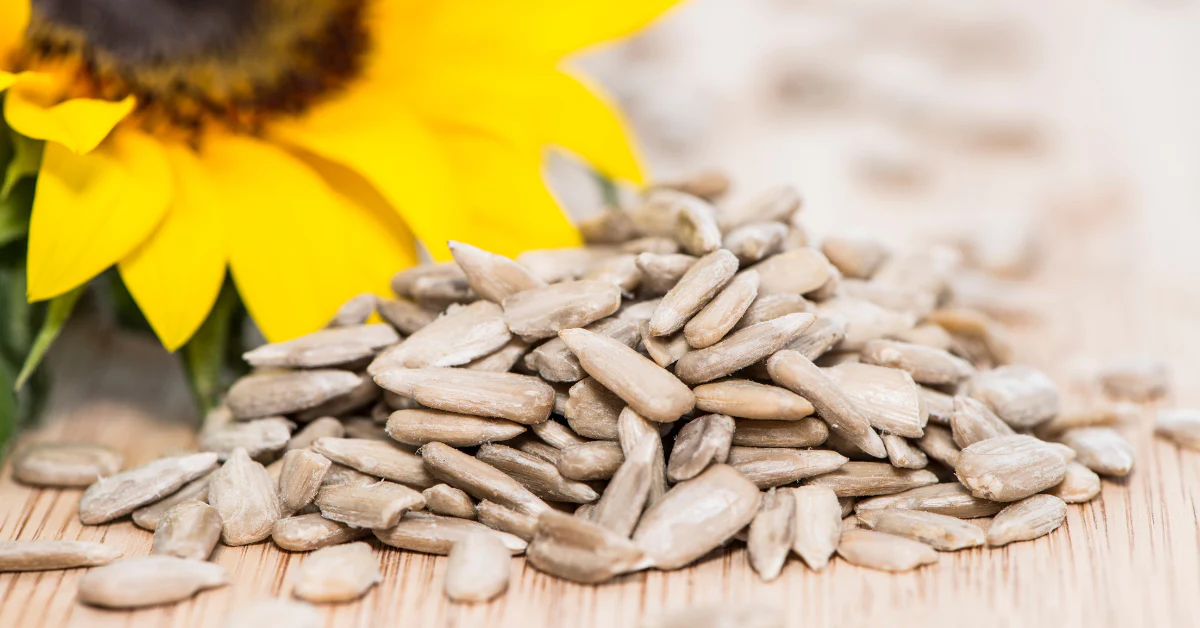
The primary raw material, sunflower seeds, comprises approximately 35-45% oil, 20-25% protein, 15-20% carbohydrate (primarily cellulose and starch), and 5-10% moisture. The lipid composition consists predominantly of linoleic acid (a polyunsaturated omega-6 fatty acid) and oleic acid (a monounsaturated omega-9 fatty acid), impacting oxidative stability. Snow pear flavoring utilizes extracts from Pyrus pyrifolia fruit, containing sugars (fructose, glucose, sucrose) and volatile aromatic compounds contributing to its characteristic scent and taste. Rock sugar, largely sucrose (C₁₂H₂₂O₁₁), is employed for sweetness and textural contribution. Manufacturing begins with seed selection and cleaning, followed by dehulling via mechanical impact or abrasive techniques. Dehulling efficiency significantly impacts the final product’s quality – residual shell fragments lead to textural defects and potential consumer complaints. Drying, typically using hot air ovens at temperatures between 70-90°C, reduces moisture content to around 5-8% to inhibit microbial growth and enhance storage stability. The critical step is the flavoring application, usually a spray-coating process. The flavoring solution, a blend of rock sugar syrup, snow pear extract, and stabilizing agents (e.g., maltodextrin, gum arabic), is atomized and applied onto the dried seeds. Key process parameters include spray pressure, nozzle diameter, and coating rate. Controlling these parameters ensures uniform coating thickness and prevents agglomeration. Finally, a cooling and sorting stage removes any defective seeds and prepares the product for packaging. Controlling the dew point during cooling is crucial to prevent sugar recrystallization on the seed surface.
Performance & Engineering
Performance is critically defined by the adhesion strength of the flavoring coating to the seed surface. This adhesion is governed by Van der Waals forces, hydrogen bonding between the sugar molecules and seed components, and mechanical interlocking at the micro-scale. The coating’s brittleness dictates its susceptibility to cracking during handling and transportation. Finite Element Analysis (FEA) can be used to model the stress distribution within the coating layer under compressive loads, optimizing formulation for improved robustness. Environmental resistance is paramount. High humidity promotes sugar dissolution and recrystallization, leading to a sticky texture and compromised aesthetic appeal. Exposure to elevated temperatures accelerates lipid oxidation within the seeds, generating rancid flavors. Packaging materials with low Oxygen Transmission Rate (OTR) and Water Vapor Transmission Rate (WVTR) are therefore essential. Compliance requirements include adherence to food safety regulations (e.g., FDA in the US, EFSA in Europe) concerning permissible levels of heavy metals, pesticide residues, and microbial contaminants. Furthermore, labeling regulations mandate accurate declaration of ingredient lists, nutritional information, and allergen warnings. The structural integrity of the packaging itself is an engineering consideration – ensuring it can withstand the rigors of the supply chain without compromising product quality.
Technical Specifications
| Parameter | Unit | Specification | Test Method |
|---|---|---|---|
| Moisture Content | % (w/w) | ≤ 8.0 | Karl Fischer Titration (GB 5005-2008) |
| Oil Content | % (w/w) | 38-48 | Soxhlet Extraction (GB/T 5005-2008) |
| Sugar Coating Weight | % (w/w) | 8-12 | Loss on Drying (AOAC 925.10) |
| Peroxide Value (Oil) | meq O₂/kg | ≤ 5.0 | Titrimetric Method (GB 5005-2008) |
| Microbial Count (Total Plate Count) | CFU/g | ≤ 1000 | Plate Count Method (GB 4788.1-2016) |
| Heavy Metal Content (Lead) | mg/kg | ≤ 0.1 | Atomic Absorption Spectroscopy (GB 5005-2008) |
Failure Mode & Maintenance
Failure modes in rock sugar and snow pear flavored sunflower seeds are diverse. Sugar Crystallization occurs due to moisture absorption, leading to a gritty texture and reduced palatability. This is exacerbated by temperature fluctuations. Lipid Oxidation results in rancidity, indicated by off-flavors and odors, and is accelerated by exposure to oxygen and light. Coating Delamination manifests as peeling or flaking of the sugar coating, compromising aesthetic appeal and potentially introducing foreign matter. This can stem from inadequate adhesion during manufacturing or mechanical stress during packaging and handling. Shell Fragments represent a textural defect and potential safety hazard, originating from incomplete dehulling. Microbial Contamination can lead to spoilage and pose health risks. Maintenance, while primarily focused on preventative measures during manufacturing, includes proper storage conditions. Seeds should be stored in airtight containers, protected from light, and maintained at a cool temperature (below 25°C). Regular quality control checks, including moisture content analysis and peroxide value determination, are vital for monitoring product stability. For large-scale production facilities, implementing a Hazard Analysis and Critical Control Points (HACCP) plan is essential for identifying and mitigating potential hazards throughout the process. Regular cleaning and sanitation of equipment are also crucial to prevent microbial growth and cross-contamination.
Industry FAQ
Q: What is the optimal rock sugar to snow pear extract ratio for maximizing flavor stability and preventing crystallization?
A: A ratio of 60:40 (rock sugar:snow pear extract) by weight generally provides a balance between sweetness, flavor intensity, and crystallization resistance. Higher rock sugar concentrations increase sweetness but also accelerate crystallization. The snow pear extract provides humectant properties, slowing down crystallization, but excessive amounts can compromise the overall flavor profile and potentially affect coating adhesion.
Q: How does the particle size distribution of the sunflower seeds affect coating uniformity and adhesion?
A: Smaller, more uniform seed sizes promote better coating coverage and adhesion. Larger variations in seed size create inconsistencies in the coating thickness, leading to areas with inadequate protection and increased susceptibility to moisture ingress and oxidation. Seed grading and classification are crucial pre-coating steps.
Q: What packaging materials are most effective at extending the shelf life of these flavored sunflower seeds?
A: Multi-layer films composed of polyethylene terephthalate (PET), aluminum foil, and polyethylene (PE) offer excellent barrier properties against oxygen, moisture, and light. Modified atmosphere packaging (MAP) using nitrogen flushing can further reduce oxygen levels within the package, slowing down lipid oxidation.
Q: What analytical methods are used to quantify the volatile aromatic compounds in the snow pear extract to ensure batch-to-batch consistency?
A: Gas Chromatography-Mass Spectrometry (GC-MS) is the primary analytical technique used to identify and quantify the volatile aromatic compounds present in the snow pear extract. This ensures that each batch of extract meets predefined quality standards regarding flavor profile and intensity. Headspace Solid-Phase Microextraction (HS-SPME) is often coupled with GC-MS to enhance sensitivity.
Q: Are there any emerging technologies for improving the adhesion of the sugar coating to the sunflower seeds, beyond traditional spray coating?
A: Fluidized bed coating offers improved coating uniformity and encapsulation efficiency compared to spray coating. Electrostatic coating, which uses an electrostatic charge to attract the coating material to the seeds, also shows promise. Furthermore, research into edible biopolymers as coating materials, offering enhanced adhesion and barrier properties, is ongoing.
Conclusion
Rock sugar and snow pear flavored sunflower seeds represent a complex system where material science, manufacturing process control, and packaging technology intersect. Achieving consistent product quality requires meticulous attention to detail at each stage, from raw material selection and preparation to flavoring application and storage. Understanding the physical and chemical properties of each component, and their interactions, is crucial for optimizing product performance and maximizing shelf life.
Future innovations will likely focus on sustainable sourcing of raw materials, advanced coating technologies to enhance adhesion and barrier properties, and intelligent packaging solutions incorporating sensors to monitor product quality in real-time. Furthermore, tailoring flavor profiles to meet evolving consumer preferences and dietary requirements will be a key driver of growth in this competitive market.
