Introduction
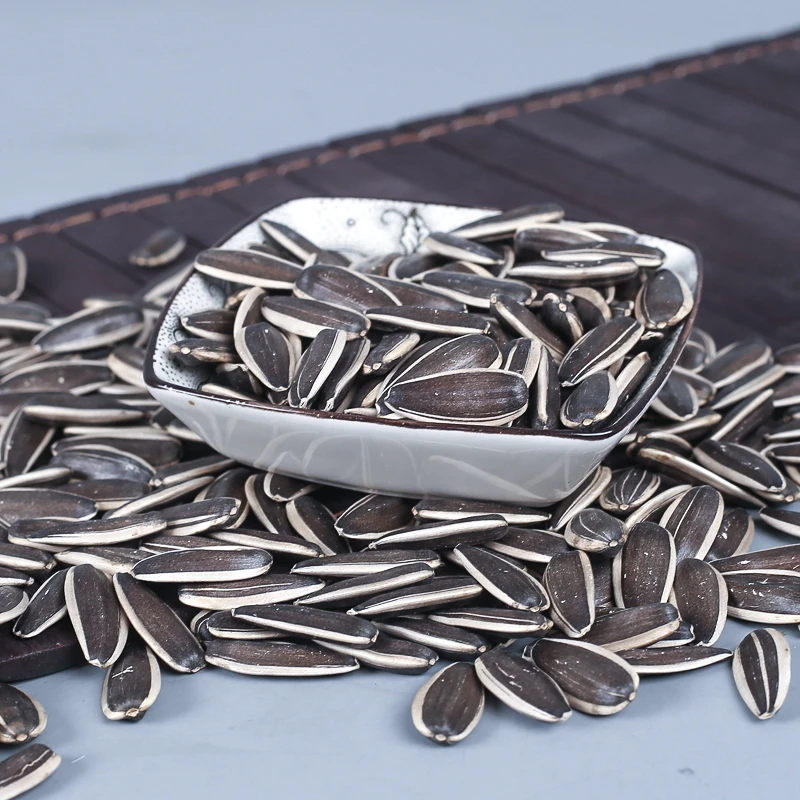
Shell-less sunflower seeds, also known as hulled sunflower seeds, represent a significant value-added product within the broader sunflower seed industry. Positioned downstream from primary sunflower seed cultivation and processing, these seeds undergo a decortication process to remove the outer shell, resulting in a ready-to-consume kernel. Their technical importance stems from their use as a direct human food source, a component in confectionery, snack foods, and increasingly, as a source of oil and protein isolates. Core performance characteristics revolve around kernel integrity (minimizing broken or damaged seeds), oil content, protein content, moisture levels, and the absence of undesirable flavors or contaminants. Achieving consistent quality in shell-less sunflower seeds is a critical challenge for processors, demanding precise control over pre-processing, decortication, and post-processing operations.
Material Science & Manufacturing
The primary raw material is the sunflower seed kernel itself, composed predominantly of oil (40-55%), protein (18-25%), carbohydrates (10-15%), and fiber (6-10%), alongside trace minerals and vitamins. The oil is primarily linoleic acid, an omega-6 fatty acid. Kernel hardness is governed by the protein matrix and oil content; higher oil content generally equates to a more brittle kernel. Manufacturing commences with the harvesting of mature sunflower heads. Seeds are cleaned to remove debris, dried to a moisture content of approximately 9-11% to optimize decortication, and then subjected to the decortication process. This typically involves impact-based hullers or abrasive systems. Impact hullers use controlled impacts to fracture the hull, while abrasive systems employ rotating discs or cylinders. Parameter control during decortication is paramount. Huller speed, gap settings, and impact force directly impact kernel damage rates. Following decortication, seeds undergo separation to remove hulls and broken kernels. Air classification, screens, and gravity separators are employed. Color sorting and density grading are further refinement steps. Finally, seeds are often coated with salt or other flavorings and packaged in moisture-barrier materials to maintain freshness. The critical process parameter is maintaining kernel integrity, minimizing oil oxidation, and controlling microbial growth throughout the process.
Performance & Engineering
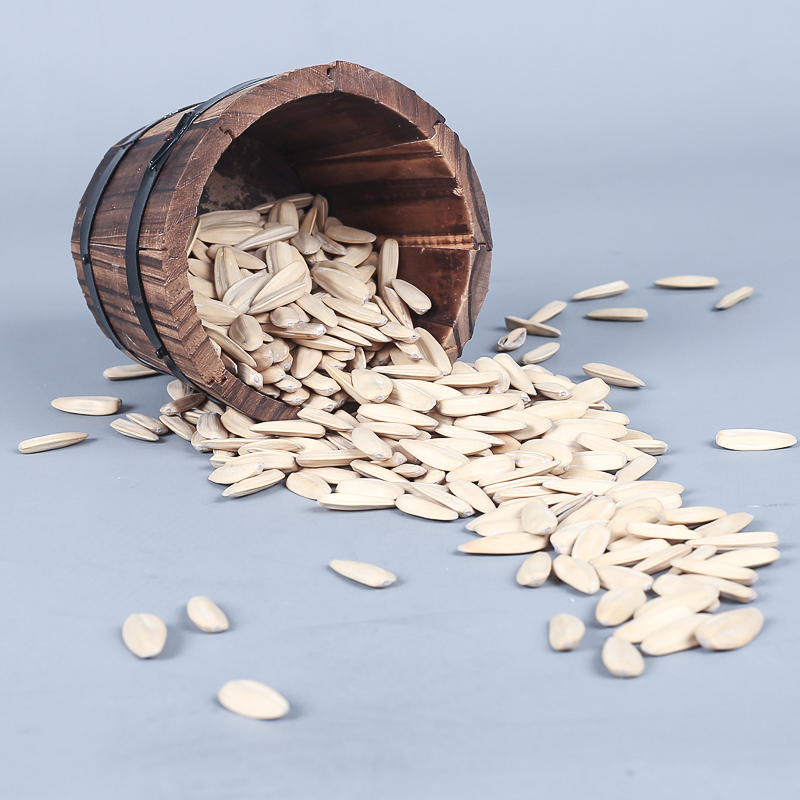
The mechanical performance of shell-less sunflower seeds is largely dictated by their fragility. Force analysis reveals that the kernels exhibit brittle fracture behavior under compressive and tensile stress. A critical engineering consideration is minimizing fracture during handling, transportation, and processing. The tensile strength of the kernel varies with oil content and moisture content. Higher oil content reduces tensile strength, making the seeds more susceptible to cracking. Environmental resistance, specifically moisture absorption, is also crucial. Hygroscopic properties necessitate proper packaging to prevent the seeds from becoming rancid due to lipid oxidation. Packaging materials must provide a low oxygen transmission rate (OTR) and a low water vapor transmission rate (WVTR). Compliance requirements include adherence to food safety regulations such as those established by the FDA (in the US) and EFSA (in Europe) regarding permissible levels of contaminants, pesticide residues, and mycotoxins. Functional implementation often involves determining optimal salt coating levels (considering both taste and hygroscopicity) and ensuring consistent seed size for automated packaging lines.
Technical Specifications
| Parameter | Unit | Typical Value | Test Method |
|---|---|---|---|
| Oil Content (Dry Basis) | % | 45-55 | AOAC 920.85 |
| Protein Content (Dry Basis) | % | 18-25 | Kjeldahl Method (AOAC 978.05) |
| Moisture Content | % | 8-10 | AOAC 925.10 |
| Kernel Integrity (Broken Kernels) | % | <5 | Visual Inspection (ASTM E249) |
| Free Fatty Acid (FFA) | % (oleic acid) | <0.5 | Titration (AOCS Cd 3-63) |
| Peroxide Value (PV) | meq O2/kg | <5 | Titration (AOCS Cd 8-53) |
Failure Mode & Maintenance
Common failure modes in shell-less sunflower seeds include lipid oxidation (rancidity), leading to off-flavors and reduced nutritional value. This is accelerated by exposure to oxygen, light, and heat. Kernel fracturing during processing and handling results in increased fines and reduced product quality. Microbiological contamination (mold growth) can occur if moisture content is not adequately controlled. Another failure mode is the development of bitter flavors due to enzymatic hydrolysis of lipids. Maintenance strategies focus on preventative measures. Proper storage in cool, dry, and dark conditions is crucial to minimize oxidation and microbial growth. Regular monitoring of moisture content and FFA/PV levels is recommended. Maintaining equipment (hullers, separators, and packaging lines) to minimize kernel damage is essential. Implementing a robust quality control program, including regular sampling and analysis, helps identify and address potential problems before they impact product quality. Packaging materials should be periodically assessed for barrier properties to ensure continued effectiveness. For large-scale storage, controlled atmosphere storage (reducing oxygen levels) can significantly extend shelf life.
Industry FAQ
Q: What is the primary cause of rancidity in shell-less sunflower seeds and how can it be mitigated?
A: Rancidity is primarily caused by lipid oxidation, a chemical reaction between fats and oxygen. This process is accelerated by heat, light, and moisture. Mitigation strategies include storing seeds in airtight, opaque packaging; maintaining low temperatures; adding antioxidants (such as vitamin E); and minimizing exposure to air during processing and packaging.
Q: What are the key factors influencing kernel damage during the decortication process?
A: Key factors include huller speed, gap settings between hulling surfaces, impact force, seed moisture content, and the quality of the seed itself. High huller speeds or excessively small gap settings can lead to increased kernel fracturing. Inconsistent seed moisture levels can also increase damage rates.
Q: How does moisture content affect the shelf life of shell-less sunflower seeds?
A: Higher moisture content accelerates both lipid oxidation and microbial growth, significantly reducing shelf life. Maintaining a moisture content of 8-10% is crucial for optimal storage stability. Proper packaging with low WVTR is also essential to prevent moisture absorption.
Q: What are the acceptable limits for mycotoxin contamination in shell-less sunflower seeds, and how are they monitored?
A: Acceptable limits for mycotoxins (such as aflatoxins) vary depending on regional regulations (e.g., FDA guidelines in the US, EU regulations). Monitoring involves regular sampling and analysis using techniques like ELISA or HPLC to quantify mycotoxin levels. Compliance with regulatory standards is paramount.
Q: How does the protein content influence the brittleness of the sunflower seed kernel?
A: Generally, higher protein content correlates with increased kernel hardness and reduced brittleness. The protein matrix provides structural support to the kernel. However, the type of protein and its interaction with oil content also play a role. A balance between protein and oil content is desirable for optimal mechanical properties.
Conclusion
The production of high-quality shell-less sunflower seeds demands a meticulous approach encompassing material science, precise manufacturing control, and rigorous quality assurance. Understanding the interplay between kernel composition (oil, protein, moisture), processing parameters (decortication speed, gap settings), and environmental factors (temperature, humidity, oxygen exposure) is critical for maximizing yield and maintaining product integrity. Failure to address these factors can result in rancidity, kernel damage, and reduced shelf life.
Looking ahead, advancements in seed genetics focused on developing varieties with improved hullability and enhanced oil stability promise to further optimize the shell-less sunflower seed industry. Implementation of real-time monitoring systems during processing, coupled with advanced packaging technologies, will enable even greater control over product quality and extend shelf life. The increasing demand for plant-based protein sources positions shell-less sunflower seeds as a significant contributor to the global food supply.
