Introduction
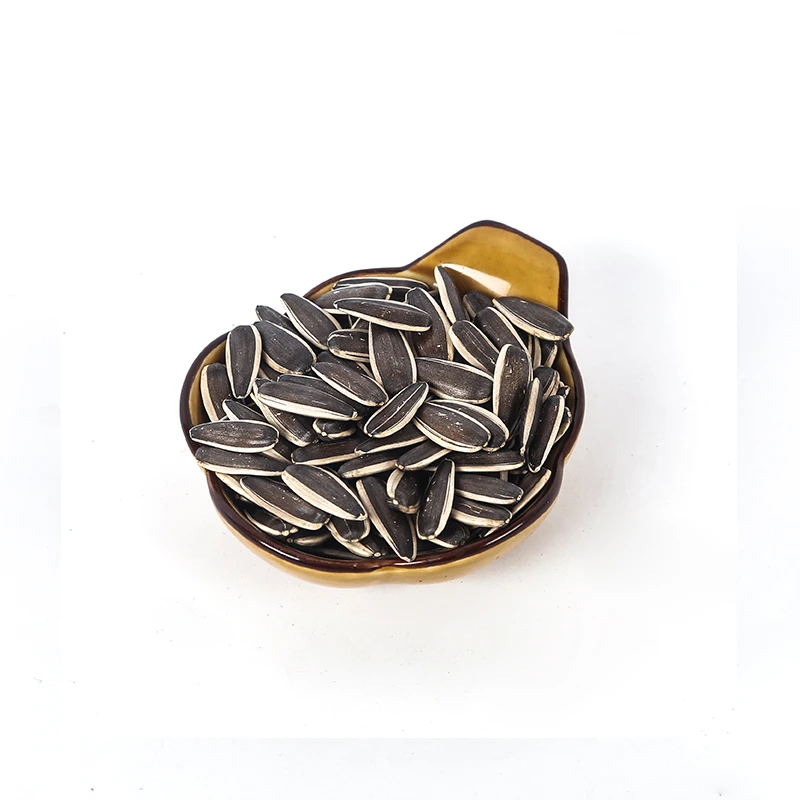
Sunflower seeds (Helianthus annuus) packaged in 25kg units represent a significant commodity within the agricultural and food processing industries. This specification details the technical characteristics and quality control measures associated with bulk sunflower seeds intended for human consumption, animal feed, and oil extraction. Their position in the supply chain extends from agricultural production through post-harvest processing (drying, cleaning, dehulling, and grading) to distribution and end-use applications. Core performance attributes encompass oil content, protein content, moisture levels, foreign material presence, and germination rates (for seed destined for replanting). The 25kg packaging unit is standardized for efficient handling, transportation, and storage, balancing logistical practicality with product preservation requirements. A primary industry pain point is maintaining consistent seed quality through variations in climate, agricultural practices, and storage conditions, impacting oil yield and consumer acceptance.
Material Science & Manufacturing
Sunflower seeds are primarily composed of lipids (35-55% oil content, varying by cultivar), proteins (18-25%), carbohydrates (15-20%), fiber (5-10%) and moisture (typically 8-12%). The seed hull, or pericarp, is composed largely of cellulose and lignin, providing a protective outer layer. Oil composition includes linoleic acid (typically 50-70%), oleic acid (20-40%), and palmitic acid (5-10%). Manufacturing begins with harvesting at optimal maturity, followed by drying to a moisture content of approximately 8-9% to inhibit mold growth and enzymatic activity. This drying process, typically utilizing forced-air systems, is critical for seed longevity. Cleaning removes debris (stalks, leaves, dirt) via screening and aspiration. Dehulling, if required (for confectionery seeds), employs mechanical abrasion. Grading separates seeds by size and density, removing damaged or immature seeds. Packaging into 25kg polypropylene (PP) woven bags with polyethylene (PE) liners provides moisture barrier and physical protection. Key parameter control during manufacturing includes maintaining drying temperatures below 45°C to prevent protein denaturation and oil oxidation, monitoring moisture content regularly using calibrated moisture meters, and ensuring bag integrity to prevent contamination.
Performance & Engineering
The performance of sunflower seeds is largely dictated by their physical and chemical properties. Force analysis during handling assesses the seed’s resistance to cracking and breakage during transportation and processing. Moisture content directly affects seed viability and storage life; excessive moisture leads to mold growth and aflatoxin contamination, a significant food safety concern. Environmental resistance encompasses tolerance to temperature fluctuations and humidity. Storage stability requires controlled temperature (below 20°C) and relative humidity (below 65%). Compliance requirements vary by region, but typically include regulations regarding pesticide residues (Maximum Residue Limits - MRLs), heavy metal content (lead, cadmium), and aflatoxin levels. Functional implementation for oil extraction requires seeds with high oil content and low free fatty acid (FFA) levels, minimizing refining costs. For confectionery seeds, hull strength and kernel size are critical parameters. Seed germination rate, for seeds intended for replanting, must meet specific minimum standards defined by seed certification agencies.
Technical Specifications
| Parameter | Unit | Specification (Standard Grade) | Specification (High Oil Grade) |
|---|---|---|---|
| Oil Content (Dry Basis) | % | 40-45 | 50-55 |
| Moisture Content | % | ≤9.0 | ≤8.5 |
| Foreign Matter | % | ≤1.0 | ≤0.5 |
| Damaged Seeds (Broken/Discolored) | % | ≤3.0 | ≤2.0 |
| Kernel Soundness | % | ≥95 | ≥98 |
| FFA (Free Fatty Acids) | % | ≤1.0 | ≤0.8 |
Failure Mode & Maintenance
Sunflower seed degradation can manifest in several failure modes. Lipid oxidation, leading to rancidity, is a primary concern, accelerated by high temperatures, exposure to oxygen, and the presence of metal catalysts. This is indicated by an increase in peroxide value and FFA levels. Mold growth, particularly Aspergillus species, can lead to aflatoxin contamination, rendering the seeds unsafe for consumption. Physical damage (cracking, breakage) during handling can reduce seed quality and germination rates. Insect infestation can cause significant losses and quality degradation. Maintenance focuses on proper storage: maintaining low temperature and humidity, ensuring adequate ventilation, and implementing pest control measures. Regular monitoring of moisture content and periodic testing for aflatoxins are crucial. For long-term storage, controlled atmosphere storage (reducing oxygen levels) can further extend shelf life. Proper bag sealing and palletization prevent physical damage during transit. Preventative measures, such as seed treatments with fungicides and insecticides (where permitted by regulations), can mitigate mold growth and insect infestation.
Industry FAQ
Q: What is the impact of varying oil content on the pricing of sunflower seeds?
A: Sunflower seeds are primarily priced based on their oil content. Higher oil content directly translates to a higher yield during oil extraction, increasing profitability for processors. Consequently, seeds meeting the “High Oil Grade” specifications (50-55% oil content) command a premium price over standard grade seeds (40-45%). The premium reflects the increased value derived from the higher oil yield, and is often formalized in contract specifications.
Q: How are aflatoxin levels monitored and what are the acceptable limits?
A: Aflatoxin levels are monitored using High-Performance Liquid Chromatography (HPLC) and Enzyme-Linked Immunosorbent Assay (ELISA) methods. Regulatory limits vary by country, but the European Union sets a maximum limit of 2.0 ppb (parts per billion) for total aflatoxins in sunflower seeds intended for human consumption. The US FDA also has established action levels. Regular testing throughout the supply chain, from farm to processor, is essential to ensure compliance.
Q: What are the key considerations for long-term storage (over 6 months) of 25kg sunflower seed bags?
A: Long-term storage requires a temperature-controlled environment (below 20°C), relative humidity below 65%, and proper ventilation. Bags should be stacked on pallets to facilitate airflow and prevent moisture absorption from the floor. Implementing a pest control program is vital to prevent insect infestation. Controlled atmosphere storage (reducing oxygen levels to below 5%) can significantly extend shelf life, inhibiting lipid oxidation and mold growth. Periodic inspection of bags for damage is also crucial.
Q: What is the significance of 'Kernel Soundness' in sunflower seed quality assessment?
A: Kernel soundness refers to the percentage of whole, undamaged kernels in a sample. High kernel soundness indicates minimal mechanical damage during harvesting, processing, and handling. Damaged kernels are more susceptible to mold growth and lipid oxidation, reducing seed quality and oil yield. It's a direct indicator of proper post-harvest handling practices.
Q: What are the implications of high Free Fatty Acid (FFA) levels in sunflower seeds?
A: High FFA levels indicate that the oil within the seeds is undergoing hydrolysis, releasing free fatty acids. This typically occurs due to enzymatic activity during improper drying or storage. High FFA levels reduce oil quality and increase refining costs, as more extensive processing is required to remove the FFAs. It also negatively impacts the oil's flavor and stability.
Conclusion
Sunflower seeds, packaged in 25kg units, represent a complex agricultural commodity requiring meticulous attention to material science and manufacturing processes. Maintaining consistent quality, particularly regarding oil content, moisture levels, and freedom from contaminants like aflatoxins, is paramount. Adhering to established technical specifications and implementing robust quality control measures throughout the supply chain – from harvesting and drying to storage and packaging – are critical for maximizing value and ensuring product safety.
Future advancements may focus on improved seed varieties with enhanced oil content and disease resistance, optimized drying and storage technologies to minimize degradation, and more sensitive and rapid methods for aflatoxin detection. Sustainable agricultural practices and traceability systems will become increasingly important to address consumer concerns regarding food safety and environmental impact. Consistent adherence to international standards is non-negotiable for participation in the global sunflower seed market.
