Introduction
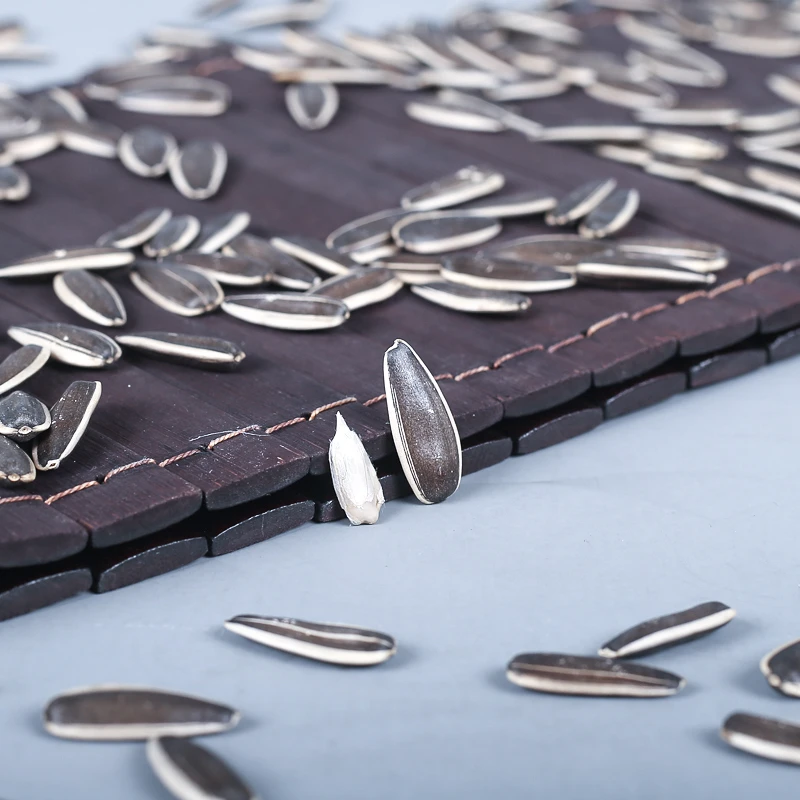
Sunflower seeds 601 represent a specific cultivar of Helianthus annuus processed for human consumption. Positioned within the agricultural commodity chain, these seeds are a post-harvest product requiring careful handling, processing, and quality control. They are distinct from oilseed-focused sunflower varieties due to breeding for larger kernel size and ease of de-hulling, optimized for direct consumption. Core performance characteristics center around oil content, protein profile, moisture level, and the absence of aflatoxins and other contaminants. Maintaining these characteristics is paramount for food safety and consumer acceptance. The grade ‘601’ typically signifies a specific kernel size and hulling ratio, often associated with confectionary applications and direct snacking, differentiating it from seeds intended solely for oil extraction. Ensuring consistent quality within the 601 grade is a significant challenge due to variations in growing conditions, harvesting practices, and post-harvest processing.
Material Science & Manufacturing
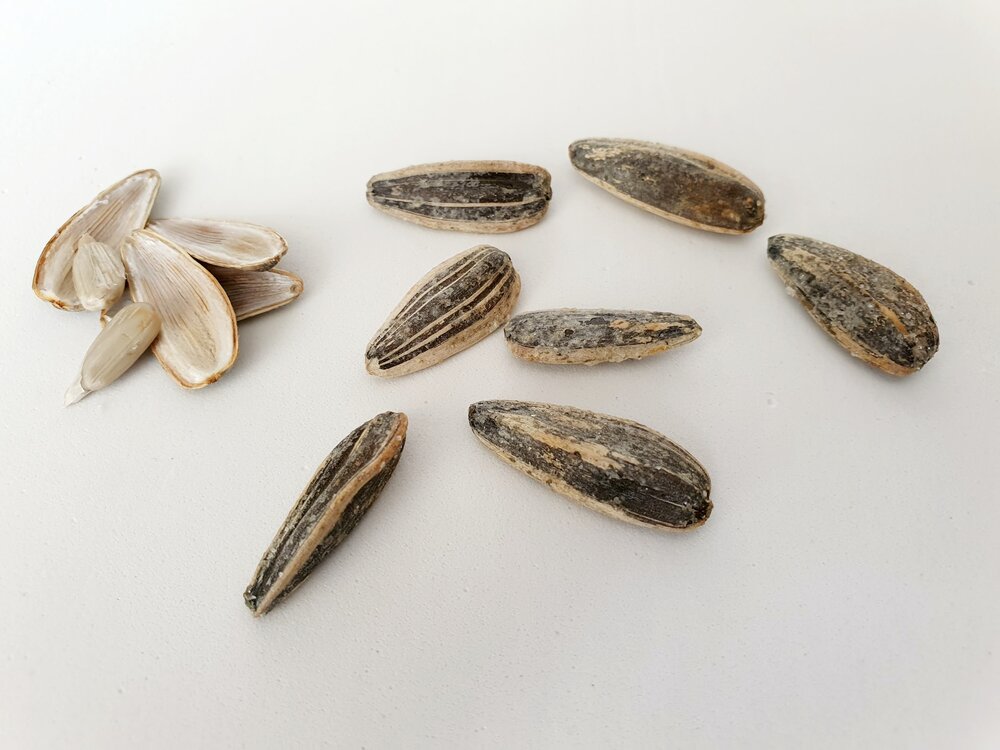
The primary raw material, the sunflower seed kernel, is composed of approximately 20-40% oil (primarily linoleic acid), 20-25% protein, 15-20% carbohydrate, and 10-15% moisture. The hull, comprised mainly of cellulose and lignin, constitutes roughly 28-36% of the whole seed’s weight. Manufacturing begins with harvesting, followed by drying to a target moisture content of 8-10% to prevent fungal growth. De-hulling is a critical process, employing either mechanical impact or abrasive methods. Impact de-hullers utilize controlled collisions, while abrasive de-hullers employ rotating surfaces to remove the hull. Key parameter control during de-hulling involves maintaining optimal impact force/abrasive pressure, seed feed rate, and separation efficiency to minimize kernel damage and maximize hull removal. Post-de-hulling, seeds are typically graded based on size using screens, removing broken kernels and foreign material via air separation and color sorting. Surface treatments, such as roasting or salting, are applied to enhance flavor and shelf life. Roasting temperature (120-180°C) and duration significantly impact oil oxidation and acrylamide formation, requiring precise control. Packaging materials (typically multilayer films with aluminum or metallized polyester) influence moisture control and oxidative stability. The manufacturing process is susceptible to variations in seed quality, influencing processing efficiency and final product characteristics.
Performance & Engineering
The performance of sunflower seeds 601 is critically evaluated based on their mechanical strength during processing and handling. Kernel fracture during de-hulling and transportation represents a significant loss factor. Force analysis focuses on the fracture resistance of the kernel under compressive and impact loads. Environmental resistance is primarily related to moisture uptake and oxidation of the oil content. Exposure to humidity leads to increased moisture content, promoting microbial growth and rancidity. Oxidation, accelerated by light and temperature, generates undesirable off-flavors and reduces nutritional value. Packaging plays a crucial role in mitigating these effects. Compliance requirements include adherence to food safety regulations (e.g., FDA, EFSA) regarding heavy metal content, pesticide residues, and microbial contamination. Aflatoxin levels, produced by Aspergillus species, are a major concern and require stringent monitoring. Functional implementation focuses on maintaining seed integrity during automated packaging and dispensing processes. The consistent size and shape of 601 grade seeds facilitate accurate metering and filling operations in confectionery and snack food production. The seeds also need to withstand the rigors of the supply chain, including vibration and temperature fluctuations during transport.
Technical Specifications
| Parameter | Specification (Typical) | Test Method | Acceptance Criteria |
|---|---|---|---|
| Kernel Size (mm) | 10-16 | Sieve Analysis (ASTM E11) | ≥90% within range |
| Moisture Content (%) | 8.0-10.0 | Oven Drying (AOAC 925.10) | ≤10.5% |
| Oil Content (%) | 40-50 | Soxhlet Extraction (AOAC 920.39) | ≥40% |
| Protein Content (%) | 20-25 | Kjeldahl Method (AOAC 920.87) | ≥20% |
| Aflatoxin B1 (ppb) | <2 ppb | HPLC-Fluorescence (AOAC 999.07) | ≤2 ppb |
| Free Fatty Acids (as oleic acid, %) | ≤0.5 | Titration (AOCS Cd 3-63) | ≤0.8% |
Failure Mode & Maintenance
Sunflower seeds 601 are susceptible to several failure modes. Rancidity occurs due to lipid oxidation, resulting in off-flavors and reduced nutritional value. This is accelerated by exposure to oxygen, light, and elevated temperatures. Kernel cracking during handling and processing leads to material loss and reduces product quality. This can be caused by excessive impact forces or improper equipment settings. Aflatoxin contamination is a critical safety concern. Infection by Aspergillus species can occur during pre-harvest, harvest, or post-harvest handling, particularly under warm and humid conditions. Moisture absorption can lead to microbial growth and seed deterioration. Prolonged storage in non-hermetic packaging increases this risk. Maintenance solutions involve implementing proper storage conditions (cool, dry, dark), utilizing hermetically sealed packaging with oxygen absorbers, and maintaining rigorous cleaning and sanitation procedures in processing facilities. Regular monitoring of aflatoxin levels is essential. Equipment maintenance, including calibration of de-hullers and graders, is crucial to minimize kernel damage. Quality control protocols should include regular sampling and testing for moisture content, oil content, and aflatoxin contamination.
Industry FAQ
Q: What is the significance of the '601' grade designation, and how does it differ from seeds intended for oil extraction?
A: The ‘601’ grade specifically denotes a cultivar and processing quality optimized for direct human consumption as a snack food. It emphasizes larger kernel size, easier hull removal, and a generally cleaner appearance. Seeds intended for oil extraction are typically selected for higher oil yield, without the same emphasis on kernel size or hulling ease. Different breeding programs and processing parameters are employed for these distinct end-uses.
Q: What preventative measures can be taken to minimize aflatoxin contamination throughout the supply chain?
A: Minimizing aflatoxin contamination requires a multi-faceted approach. This includes selecting cultivars with inherent resistance to Aspergillus infection, implementing proper agronomic practices to reduce stress on the plants, ensuring rapid and thorough drying after harvest, maintaining clean storage facilities, and utilizing antifungal treatments where appropriate and permissible. Regular testing for aflatoxins at each stage of the supply chain is essential.
Q: How does packaging influence the shelf life and quality of sunflower seeds 601?
A: Packaging plays a critical role in preventing moisture absorption, oxidation, and insect infestation. Multilayer films incorporating aluminum foil or metallized polyester provide excellent barrier properties. Vacuum packaging or modified atmosphere packaging (MAP) with nitrogen flushing can further extend shelf life by reducing oxygen levels. Oxygen absorbers can also be included to scavenge residual oxygen.
Q: What are the key parameters to monitor during the roasting process to avoid compromising seed quality?
A: Key parameters to monitor during roasting include temperature, roasting time, and moisture content. Excessive temperatures or prolonged roasting times can lead to oil oxidation, acrylamide formation, and a burnt flavor. Frequent monitoring of seed temperature and moisture loss is crucial for maintaining optimal roasting conditions. Roasting profiles should be optimized for each specific batch of seeds to account for variations in initial moisture content.
Q: What methods are used to detect and quantify kernel damage during processing and how is this damage mitigated?
A: Kernel damage is assessed visually through inspection and quantitatively using sieve analysis to determine the percentage of broken or fragmented kernels. Optical sorting technology can also be used to remove damaged seeds. Mitigation strategies involve optimizing de-hulling parameters (impact force, abrasive pressure, seed feed rate), ensuring proper equipment maintenance, and implementing gentle handling procedures throughout the processing line.
Conclusion
Sunflower seeds 601 represent a complex agricultural product demanding rigorous attention to detail throughout the entire value chain. Maintaining consistent quality necessitates precise control over material science aspects, from seed genetics and harvesting practices to processing parameters and packaging solutions. The core performance indicators – oil content, protein profile, moisture level, and absence of contaminants – are interdependent and require holistic management.
Future developments will likely focus on breeding cultivars with enhanced resistance to aflatoxin contamination and improved kernel integrity. Advancements in packaging materials and processing technologies will further extend shelf life and minimize quality degradation. A continued emphasis on adherence to stringent food safety regulations and quality control protocols is crucial for ensuring consumer confidence and market access.
