Introduction
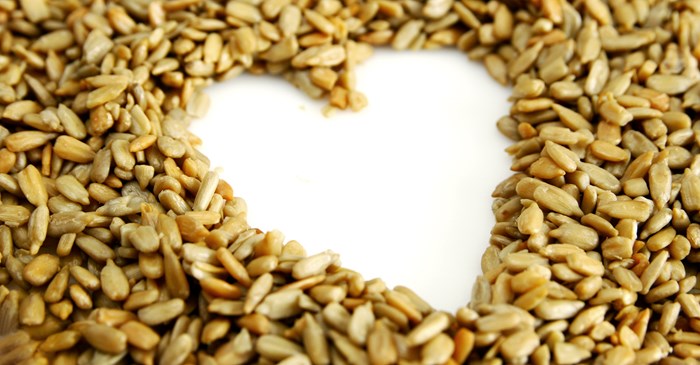
Sunflower seeds, specifically those processed and marketed as 'fresh,' represent a significant segment of the edible seed market. Technically, 'fresh' in this context refers to seeds that have undergone minimal processing beyond cleaning, drying, and potentially light grading, preserving a higher degree of their original oil content, flavor profile, and nutritional value compared to heavily processed or roasted varieties. Within the agricultural supply chain, sunflower seed processing occurs post-harvest, representing a critical value-add. Core performance indicators for fresh sunflower seeds focus on oil yield, protein content, moisture levels, and the absence of aflatoxins and other contaminants. The industry currently faces challenges related to maintaining seed quality during storage, ensuring traceability for food safety compliance, and optimizing processing techniques to maximize oil extraction efficiency while minimizing waste.
Material Science & Manufacturing
The primary raw material, the sunflower seed (Helianthus annuus), comprises a hull (pericarp) constituting approximately 20-30% of the seed's weight, and a kernel representing the remaining 70-80%. The kernel is rich in oil (42-58% typically, varying by cultivar), protein (18-25%), and fiber. The hull’s composition is predominantly cellulose, hemicellulose, and lignin, imparting structural rigidity. Manufacturing begins with harvesting, typically mechanized, followed by drying to a moisture content of around 8-10% to inhibit microbial growth and enzymatic activity. This drying process is crucial; rapid drying is preferred to minimize lipid oxidation. De-hulling is then performed, utilizing mechanical abrasion or impact methods. Precise control of impact force is essential to avoid kernel damage, which can lead to oil leakage and reduced shelf life. Grading separates seeds based on size and density, removing foreign matter. Key parameters controlled during processing include drying temperature (maintained below 60°C to preserve oil quality), de-hulling pressure, and air velocity during cleaning. Chemical compatibility is also important; contact with certain metals (iron) can catalyze oxidation. Storage environments require low oxygen levels and consistent temperatures (below 10°C) to slow degradation processes.
Performance & Engineering
The performance of fresh sunflower seeds is critically linked to their oil yield and the oil’s fatty acid profile. Engineering considerations focus on optimizing the seed’s structural integrity throughout the processing chain to maximize oil recovery. Force analysis is important during de-hulling, ensuring minimal kernel breakage. The compressive strength of the hull and the shear strength of the kernel are key material properties. Environmental resistance primarily concerns moisture absorption and oxygen permeability, both impacting rancidity development. Low moisture content (≤8%) is critical to prevent microbial growth and enzymatic hydrolysis of triglycerides. Compliance requirements include adherence to food safety standards like HACCP (Hazard Analysis and Critical Control Points) and regulations concerning pesticide residues and heavy metal contamination, established by bodies such as the FDA (US Food and Drug Administration) and EFSA (European Food Safety Authority). Furthermore, packaging materials must meet specific barrier properties to limit oxygen and moisture transmission. Functional implementation involves ensuring the seeds remain viable for consumption, maintaining their nutritional value and preventing the formation of harmful compounds during storage.
Technical Specifications
| Parameter | Unit | Typical Value (Fresh Seeds) | Acceptable Range |
|---|---|---|---|
| Moisture Content | % | 8.5 | ≤10 |
| Oil Content | % (Dry Weight Basis) | 52 | 48-58 |
| Protein Content | % (Dry Weight Basis) | 22 | 18-26 |
| Free Fatty Acid (FFA) | % | 0.5 | ≤1.0 |
| Peroxide Value (PV) | meq O2/kg | 3.0 | ≤5.0 |
| Aflatoxin B1 | µg/kg | <2 | ≤4 |
Failure Mode & Maintenance
Sunflower seeds are susceptible to several failure modes. Rancidity, caused by lipid oxidation, is a primary concern, leading to off-flavors and reduced nutritional value. This is accelerated by exposure to oxygen, light, and elevated temperatures. Physical damage to the kernel during de-hulling can compromise its structural integrity, increasing susceptibility to moisture absorption and microbial contamination. Aflatoxin contamination, a mycotoxin produced by Aspergillus fungi, poses a significant health hazard. Biological degradation due to insect infestation and fungal growth are also common. Maintenance solutions involve stringent quality control throughout the supply chain. Proper drying and storage practices are crucial, including the use of airtight containers, temperature control, and regular monitoring for moisture content and aflatoxin levels. Implementing robust pest control measures and adhering to good manufacturing practices (GMP) minimizes the risk of contamination. Regular analysis of oil quality parameters (FFA, PV) provides early warning signs of degradation. Packaging with high barrier properties (OTR and WVTR) is vital for extended shelf life. The use of oxygen absorbers within packaging can further mitigate oxidation.
Industry FAQ
Q: What is the significance of the peroxide value in assessing sunflower seed quality?
A: The peroxide value (PV) is a primary indicator of lipid oxidation. A higher PV signifies a greater degree of oxidation, indicating rancidity development and a decline in oil quality. It measures the concentration of peroxides formed during the initial stages of oxidation. Monitoring PV regularly is essential for assessing storage stability and predicting shelf life.
Q: How does the de-hulling process impact the final oil yield?
A: The de-hulling process significantly impacts oil yield. Gentle de-hulling, minimizing kernel breakage, is paramount. Damaged kernels release oil, leading to losses during processing and a lower overall yield. Efficient de-hulling, removing the hull completely without damaging the kernel, maximizes the recoverable oil content.
Q: What are the critical control points for preventing aflatoxin contamination?
A: Critical control points include pre-harvest monitoring for fungal infection in the field, proper drying to reduce moisture content post-harvest, effective storage practices to prevent mold growth, and rigorous sorting to remove contaminated seeds. Implementing a HACCP plan with defined critical limits and monitoring procedures is essential.
Q: What packaging materials are recommended for maintaining the freshness of sunflower seeds?
A: Packaging materials with low oxygen and moisture permeability are crucial. Multi-layer films incorporating aluminum foil or metallized polyester provide excellent barrier properties. Packaging should also be opaque to minimize light exposure. Vacuum packaging or modified atmosphere packaging (MAP) with nitrogen flushing can further extend shelf life.
Q: How do different sunflower seed varieties affect oil quality and composition?
A: Different sunflower seed varieties exhibit varying fatty acid profiles. High oleic varieties, for example, contain a higher proportion of oleic acid, contributing to improved oxidative stability and longer shelf life. Linoleic varieties have a higher linoleic acid content, which is more susceptible to oxidation. Seed variety selection impacts the overall oil quality and suitability for different applications.
Conclusion
The quality of fresh sunflower seeds is a complex interplay of biological factors, material properties, and engineering controls. Maintaining optimal moisture content, minimizing kernel damage during processing, and implementing robust storage practices are fundamental to preserving oil quality, preventing contamination, and maximizing shelf life. A deep understanding of the seed’s composition, the kinetics of lipid oxidation, and the principles of food safety is essential for producers and processors.
Future advancements will likely focus on optimizing drying technologies to reduce energy consumption and minimize oil degradation, developing more effective de-hulling methods to increase oil yield, and utilizing advanced packaging materials with enhanced barrier properties. Traceability systems utilizing blockchain technology can further enhance food safety and build consumer confidence. Continued research into sunflower seed genetics to develop varieties with improved oil profiles and resistance to fungal contamination is also critical.
