Introduction
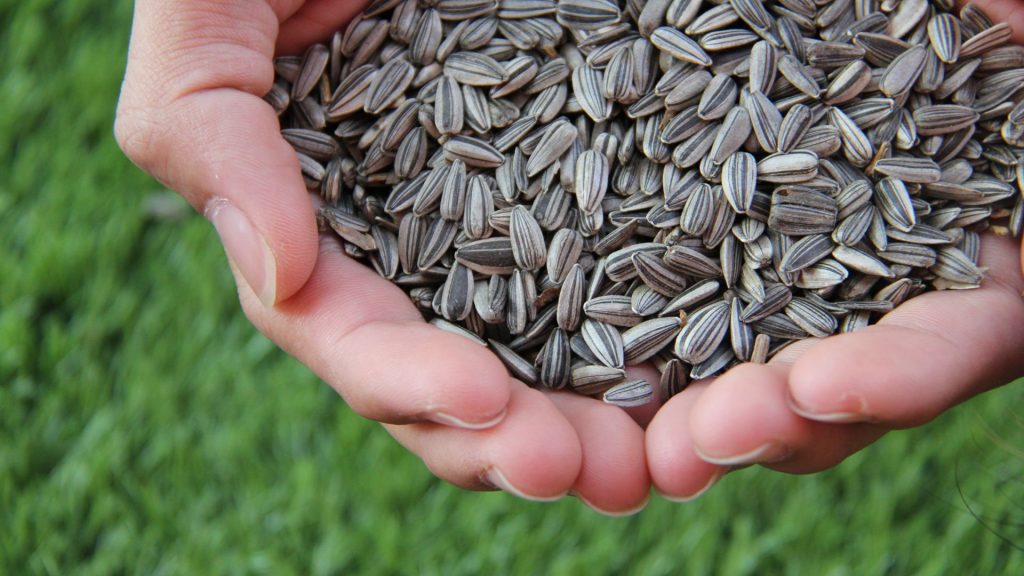
Sunflower seeds in the shell (Helianthus annuus) represent a significant agricultural commodity, positioned within the broader edible seed and snack food industries. This guide provides a comprehensive technical overview of the material science, manufacturing considerations, performance characteristics, potential failure modes, and relevant standards associated with sunflower seeds intended for direct consumption. Unlike dehulled sunflower seeds, the inclusion of the shell (pericarp) introduces complexities related to structural integrity, moisture control, and potential for shell-borne contaminants. Core performance characteristics include kernel weight ratio, oil content, protein content, and shell robustness. A key industry pain point revolves around maintaining consistent kernel quality within varying shell characteristics, optimizing shelling efficiency during processing if further processing is required, and preventing aflatoxin contamination – a critical food safety concern. Variations in seed genetics, growing conditions, and post-harvest handling significantly impact these parameters.
Material Science & Manufacturing
The primary raw material is the sunflower seed itself, comprising the kernel (cotyledon) and the shell (pericarp). The kernel is rich in lipids (35-50% oil content, primarily linoleic acid), proteins (20-25%), carbohydrates, and various micronutrients. The shell is composed of cellulose, hemicellulose, lignin, and a lesser proportion of proteins and minerals. Shell thickness varies significantly depending on the sunflower variety, ranging from 0.5mm to 2.0mm. Manufacturing begins with agricultural cultivation, encompassing soil preparation, planting, fertilization, and pest control. Harvesting typically occurs when the seed head is dry. Post-harvest processes include cleaning, drying (to approximately 8-10% moisture content to inhibit mold growth), and grading based on size and quality. Shelling, while often performed by consumers, is also carried out industrially using mechanical dehullers, often involving impact and friction. Key parameter control during drying involves maintaining optimal temperature (below 60°C to preserve oil quality) and airflow. Quality grading relies on visual inspection for defects (e.g., broken shells, discolored kernels, insect damage) and laboratory analysis for oil content, protein content, and moisture content. Genetic selection plays a crucial role in optimizing both kernel size and shell characteristics for ease of processing and consumer acceptance.

Performance & Engineering
Performance evaluation centers around shell fracture strength, kernel integrity, and resistance to environmental degradation. Force analysis during shelling involves determining the energy required to fracture the shell without damaging the kernel. Shell fracture toughness is influenced by moisture content, shell thickness, and the presence of micro-cracks. Environmental resistance considerations include moisture vapor transmission rate (WVTR) through the shell (influencing kernel rancidity), oxygen transmission rate (OTR), and susceptibility to fungal growth. Compliance requirements are governed by food safety regulations concerning aflatoxin levels, pesticide residues, and heavy metal contamination (e.g., cadmium). The shell provides a degree of physical protection to the kernel, delaying oxidative degradation of the oil. However, prolonged exposure to high humidity and temperature can compromise this protective barrier. Functional implementation necessitates optimizing shell characteristics to balance ease of manual or mechanical shelling with adequate kernel protection during storage and transportation. Packaging materials (e.g., barrier films, pouches) play a critical role in mitigating environmental impacts.
Technical Specifications
| Parameter | Units | Typical Range (In-Shell Seeds) | Testing Method |
|---|---|---|---|
| Kernel Weight Ratio | % | 40-60 | Weight of kernels / Total weight of seeds x 100 |
| Shell Thickness | mm | 0.5-2.0 | Digital Caliper Measurement (multiple seeds averaged) |
| Moisture Content (Kernel) | % | 8-12 | Oven Drying Method (ASTM D4887) |
| Oil Content (Kernel) | % | 35-50 | Soxhlet Extraction (AOCS Official Method Cd 14-91) |
| Protein Content (Kernel) | % | 20-25 | Kjeldahl Method (AOCS Official Method Ba 3-49) |
| Aflatoxin Levels | ppb | <20 (Regulatory Limit) | HPLC-FLD (High-Performance Liquid Chromatography with Fluorescence Detection) |
Failure Mode & Maintenance
Common failure modes include shell cracking during handling and transportation, resulting in kernel damage and increased susceptibility to oxidation. Moisture absorption by the kernel leads to rancidity and off-flavor development. Aflatoxin contamination, caused by fungal growth (Aspergillus flavus and Aspergillus parasiticus), poses a significant health risk. Insect infestation can also occur during storage. Mechanical damage during shelling can result in broken kernels and shell fragments. Degradation of the shell’s lignin structure over time reduces its protective function. Maintenance strategies focus on proper storage conditions (cool, dry, dark environment). Regular inspection for signs of mold, insects, or shell damage is crucial. Implementing effective pest control measures is essential. Proper drying techniques are critical to minimize moisture content and inhibit fungal growth. Controlled atmosphere storage (reducing oxygen levels) can extend shelf life. For industrial processing, regular maintenance of shelling equipment is necessary to minimize kernel damage.
Industry FAQ
Q: What is the primary factor influencing shell fracture strength?
A: Moisture content is the primary factor. Higher moisture content generally reduces shell fracture strength, making them more brittle. Shell thickness and the presence of micro-cracks also contribute significantly.
Q: How does the shell contribute to the overall shelf life of the seeds?
A: The shell acts as a barrier against oxygen and moisture, slowing down the rate of lipid oxidation and preventing rancidity. However, this protection is limited and depends on the shell’s integrity and environmental conditions.
Q: What analytical methods are used to determine the quality of the oil within the kernel?
A: Peroxide value (PV), Anisidine value (AV), and fatty acid profile analysis (using Gas Chromatography – FID) are common methods used to assess oil quality, including levels of oxidation and the composition of fatty acids.
Q: What are the regulatory limits for aflatoxin in sunflower seeds and why are they so strict?
A: Regulatory limits vary by country, but typically fall below 20 parts per billion (ppb). Aflatoxins are potent carcinogens produced by certain molds and pose a serious health risk, even at low concentrations. Strict limits are necessary to protect public health.
Q: What impact do different sunflower varieties have on processing efficiency (shelling)?
A: Varieties with thinner, more uniformly shaped shells generally exhibit higher shelling efficiency. Kernel adhesion to the shell also varies between varieties, influencing the energy required for shelling and the rate of kernel damage.
Conclusion
Sunflower seeds in the shell represent a complex agricultural product demanding careful consideration of material science, manufacturing practices, and quality control measures. Maintaining optimal moisture content, ensuring shell integrity, and preventing aflatoxin contamination are paramount for preserving kernel quality and ensuring food safety. The interplay between genetic factors, environmental conditions, and processing techniques significantly influences the overall performance and marketability of this commodity.
Future research should focus on developing sunflower varieties with improved shell characteristics – thinner shells for easier processing, and stronger shells for enhanced kernel protection. Advanced packaging technologies offering superior barrier properties are also critical. Continuous monitoring and refinement of food safety protocols, including rapid aflatoxin detection methods, will be essential for maintaining consumer confidence and meeting stringent regulatory requirements.
