Introduction
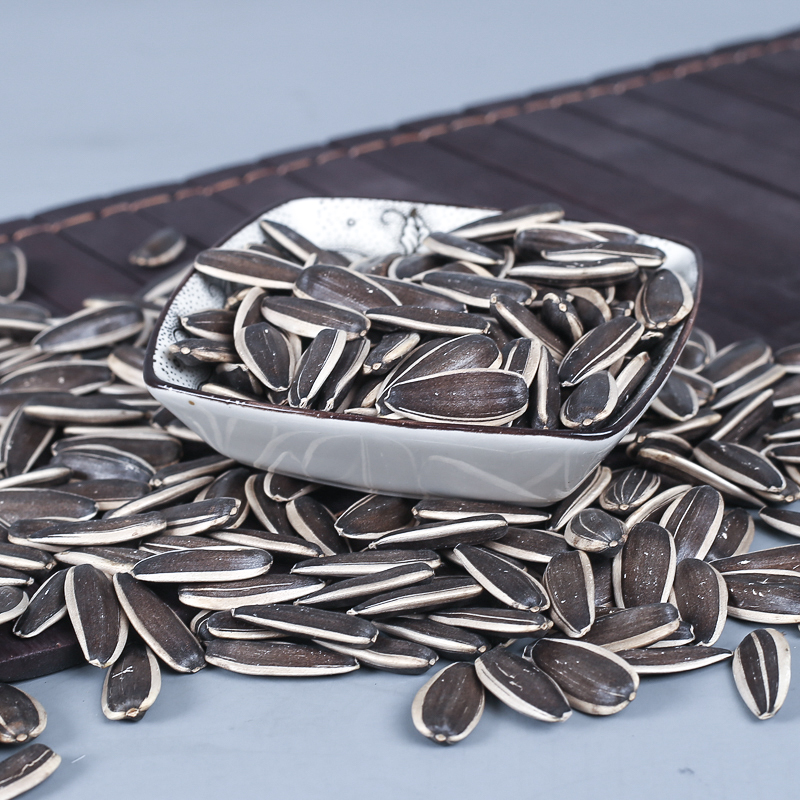
Sunflower seeds ( Helianthus annuus), categorized by size, represent a crucial commodity within the agricultural and food processing industries. Size grading isn’t merely aesthetic; it profoundly impacts processing efficiency, oil yield, protein content, and end-use application. This technical guide details the material science, manufacturing considerations, performance characteristics, failure modes, and industry standards associated with differing sunflower seed sizes – typically classified as large, medium, and small. The primary industry pain points center around optimizing seed size for specific oil extraction techniques, minimizing hulling damage during processing, and ensuring consistent quality for consumer products like snacks and birdseed. Accurate size classification is essential for maintaining market value and meeting stringent food safety regulations. This document provides a comprehensive overview for procurement managers, processing engineers, and quality control specialists involved in the sunflower seed supply chain.
Material Science & Manufacturing
Sunflower seeds, from a material science perspective, comprise three primary components: the hull (pericarp), the kernel (cotyledon), and the embryo. The hull, approximately 30-50% of the seed’s weight, is primarily composed of cellulose, hemicellulose, and lignin, contributing to its structural integrity and resistance to abrasion. Kernel composition varies based on oil content varieties, but generally consists of approximately 20-50% oil (primarily linoleic acid), 20-30% protein, and the remainder comprising carbohydrates, fiber, and trace minerals. Seed size directly correlates with kernel weight and oil content, with larger seeds generally yielding higher oil percentages.
Manufacturing begins with harvesting, followed by drying to a moisture content of 8-10% to prevent mold growth and ensure efficient hulling. Seed size dictates the optimal parameters for drying – larger seeds require longer drying times at lower temperatures to prevent cracking. Hulling, a critical step, employs mechanical abrasion or impact to separate the kernel from the hull. Larger seeds require greater force for hulling, increasing the risk of kernel damage (splits, cracks). Post-hulling, seeds are typically sorted by size using screeners or optical sorters. Precision in this step is paramount. The key parameter control during manufacturing includes consistent seed moisture content, optimized hulling force based on seed size, and effective separation of hulls from kernels. Processing methods impacting size are dehulling, sorting and cleaning. Improper calibration of equipment can lead to significant product loss and quality degradation.
Performance & Engineering
The performance of sunflower seeds, assessed through engineering principles, centers on their mechanical properties and resistance to environmental factors. Kernel hardness, measured using a penetrometer, directly impacts hulling efficiency and oil extraction rates. Larger seeds generally exhibit greater hardness, requiring more energy for processing. Tensile strength, critical for resistance to cracking during handling and transportation, varies depending on seed size and moisture content. Smaller seeds, having a higher surface area-to-volume ratio, are more susceptible to moisture absorption and subsequent cracking.
Environmental resistance is crucial for storage longevity. Sunflower seeds are susceptible to oxidative rancidity due to unsaturated fatty acids in the oil. Seed size doesn’t directly affect oxidation rate, but hull integrity does – a damaged hull allows greater oxygen exposure. Packaging plays a significant role in mitigating oxidation through moisture and oxygen barrier properties. Compliance requirements, governed by organizations like the FDA and EFSA, dictate permissible levels of aflatoxins and other contaminants. Seed size doesn't inherently impact contamination levels, but effective cleaning and sorting processes are vital, and these are often optimized based on seed size. Force analysis during hulling reveals that larger seeds experience higher impact forces, demanding more robust hulling equipment and precise parameter control to minimize kernel damage.
Technical Specifications
| Seed Size Category | Average Kernel Weight (g) | Oil Content (% dry weight) | Hull Percentage (%) |
|---|---|---|---|
| Large | 0.80 – 1.00 | 48 – 55 | 35 – 40 |
| Medium | 0.60 – 0.80 | 45 – 50 | 40 – 45 |
| Small | 0.40 – 0.60 | 40 – 48 | 45 – 50 |
| Diameter (mm) - Large | 16-20 | N/A | N/A |
| Diameter (mm) - Medium | 12-16 | N/A | N/A |
| Diameter (mm) - Small | 8-12 | N/A | N/A |
Failure Mode & Maintenance
Sunflower seed failure modes, both during processing and storage, are directly linked to size. Large seeds are prone to splitting during hulling if the impact force is excessive. This leads to oil leakage and reduces the value of the processed kernels. Small seeds, while less susceptible to splitting, exhibit a higher surface area, making them vulnerable to moisture absorption and subsequent fungal growth. A common failure mode is rancidity, caused by oxidation of unsaturated fatty acids. This is exacerbated by inadequate storage conditions (high temperature, humidity, oxygen exposure) and can affect all seed sizes, but is more rapidly detectable in smaller seeds due to the increased surface area of exposed oil.
Delamination, the separation of the kernel from the hull, occurs when seeds are subjected to rapid temperature changes or mechanical stress. This is more prevalent in smaller seeds with thinner hulls. Preventative maintenance of hulling and sorting equipment is crucial. Regular inspection and replacement of worn parts (abrasive surfaces, screens) ensures optimal performance and minimizes kernel damage. Storage facilities should be maintained at low temperatures (below 15°C) and humidity (below 65%) to prevent mold growth and oxidation. Regular monitoring of seed moisture content and oil quality is recommended. Implementing a First-In, First-Out (FIFO) inventory system minimizes storage duration and reduces the risk of spoilage. Cleaning should be conducted regularly to remove dust and debris, which can promote microbial growth.
Industry FAQ
Q: What is the optimal seed size for high-yield oil extraction using a screw press?
A: Generally, larger seeds with higher oil content are preferred for screw pressing. The increased kernel size allows for greater pressure application without causing significant damage, leading to higher oil extraction efficiency. However, the hulling process must be carefully controlled to avoid kernel breakage, potentially negating the benefits of the larger seed size.
Q: How does seed size impact the efficiency of optical sorting technology?
A: Optical sorting relies on differentiating kernels based on color and shape. Smaller seeds, due to their more uniform size and shape, can be more challenging to differentiate from foreign material. Larger seeds offer greater contrast and are more easily identified and sorted, improving the accuracy and throughput of optical sorting systems.
Q: What is the relationship between seed size and the susceptibility to aflatoxin contamination?
A: Seed size does not directly correlate with aflatoxin contamination. However, damaged kernels (splits, cracks) are more vulnerable to fungal infection, increasing the risk of aflatoxin accumulation. Therefore, proper handling and processing practices, designed to minimize kernel damage, are critical for ensuring food safety, irrespective of seed size.
Q: What is the recommended storage procedure for different sized sunflower seeds to prevent rancidity?
A: Regardless of seed size, storage should occur in a cool, dry, and dark environment. However, smaller seeds, with their higher surface area, require more stringent moisture control. Sealed containers with nitrogen flushing are recommended to minimize oxygen exposure. Regular monitoring of oil acidity is advisable.
Q: Is there a size grading standard applicable to sunflower seeds for export purposes?
A: While there isn't a universally mandated size grading standard, many export markets reference standards set by organizations like the National Sunflower Association (NSA) or specific importer requirements. These often specify maximum allowable percentages of small or broken kernels, and size is often determined by passing seeds through a series of screens with defined apertures.
Conclusion
The size of sunflower seeds is a critical factor influencing processing efficiency, oil yield, and product quality. Understanding the material science of the seed components, the mechanics of hulling, and the impact of size on storage stability is essential for optimizing the sunflower seed supply chain. Larger seeds generally offer advantages in oil extraction, while smaller seeds require more careful handling to prevent damage and spoilage.
Future advancements in seed breeding and processing technology will likely focus on developing varieties with optimal kernel size and hull characteristics for specific applications. Improved sorting technologies and optimized storage solutions will further enhance the quality and longevity of sunflower seeds, ensuring a sustainable and reliable supply for the food and industrial sectors. Proactive moisture management and efficient oil extraction techniques will be key components to overall success.
