Introduction
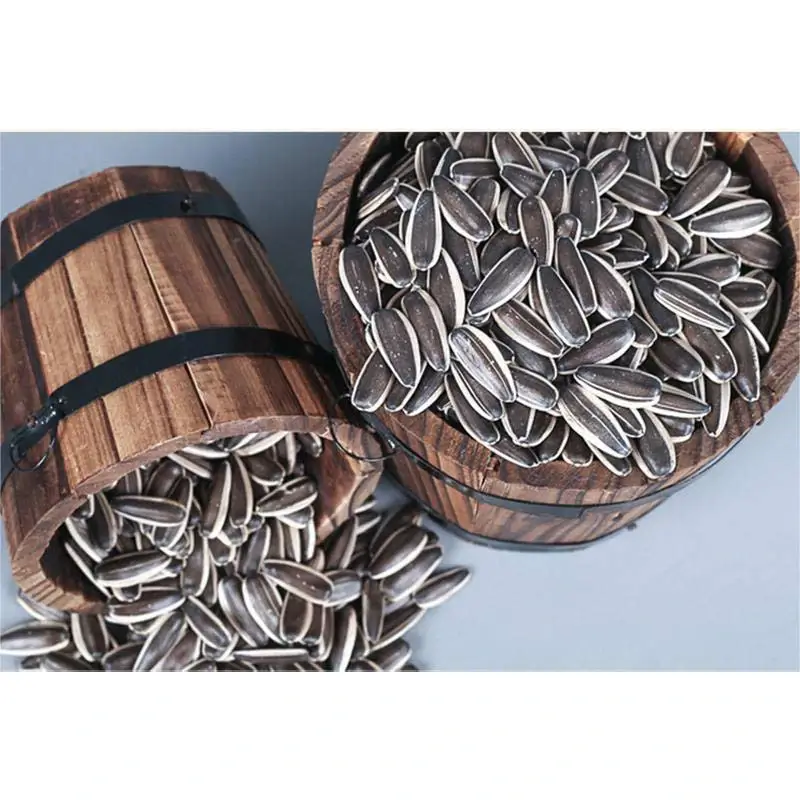
Sunflower seeds, in their raw state, represent a foundational agricultural commodity with a significant position in the food, feed, and emerging biofuel industries. Technically classified as the fruit of the Helianthus annuus plant, raw sunflower seeds consist of a kernel enclosed within a hull (or husk). Their importance stems from their high oil content (typically 40-50% by weight), substantial protein levels (around 20-25%), and a profile of essential fatty acids. Within the industry chain, raw seeds serve as the initial input for edible kernel production, oil extraction, and increasingly, as feedstock for bioplastic and biodiesel manufacturing. Core performance characteristics influencing their value include oil yield, kernel size and weight, protein content, and the presence of undesirable components like hulling percentage and free fatty acid content. The industry faces key challenges related to consistent seed quality, efficient dehulling technologies, and minimizing oxidation during storage – impacting both oil quality and market value. This guide will provide an in-depth analysis of these aspects, spanning material science, manufacturing processes, performance parameters, failure modes, and relevant industry standards.
Material Science & Manufacturing
Raw sunflower seeds are a complex biological matrix. The kernel comprises primarily of carbohydrates, proteins, lipids (triglycerides, phospholipids, sterols), and minor components including vitamins, minerals, and phenolic compounds. The hull, largely composed of cellulose, hemicellulose, and lignin, offers physical protection but represents waste in many processing streams. The oil is dominated by linoleic acid (typically 60-70%), an omega-6 fatty acid, and oleic acid (20-40%), an omega-9 fatty acid. The protein fraction includes globulins and albumins, critical for nutritional value. Manufacturing begins with cultivation, impacting seed composition through genetics and agronomic practices (soil composition, irrigation, fertilization). Harvesting occurs when the seed moisture content is optimally low (typically 8-12%). Initial processing involves cleaning to remove debris (stalks, leaves, stones). Drying, typically utilizing forced-air systems, further reduces moisture content to 6-7% for long-term storage – a crucial parameter to prevent fungal growth and aflatoxin contamination. Storage conditions (temperature, humidity, oxygen levels) profoundly affect seed quality. Dehulling is a key process, often employing impact or friction methods. Parameter control during dehulling is critical; excessive force leads to kernel damage and increased free fatty acid content due to oil release. Hulling efficiency is measured as the percentage of kernels successfully separated from their hulls. Quality control at each stage includes assessing moisture content, foreign matter content, oil content (using Soxhlet extraction or NMR), and protein content (Kjeldahl method). Further processing involves grading by size and weight, and visual inspection for defects (damaged kernels, discolored seeds).
Performance & Engineering
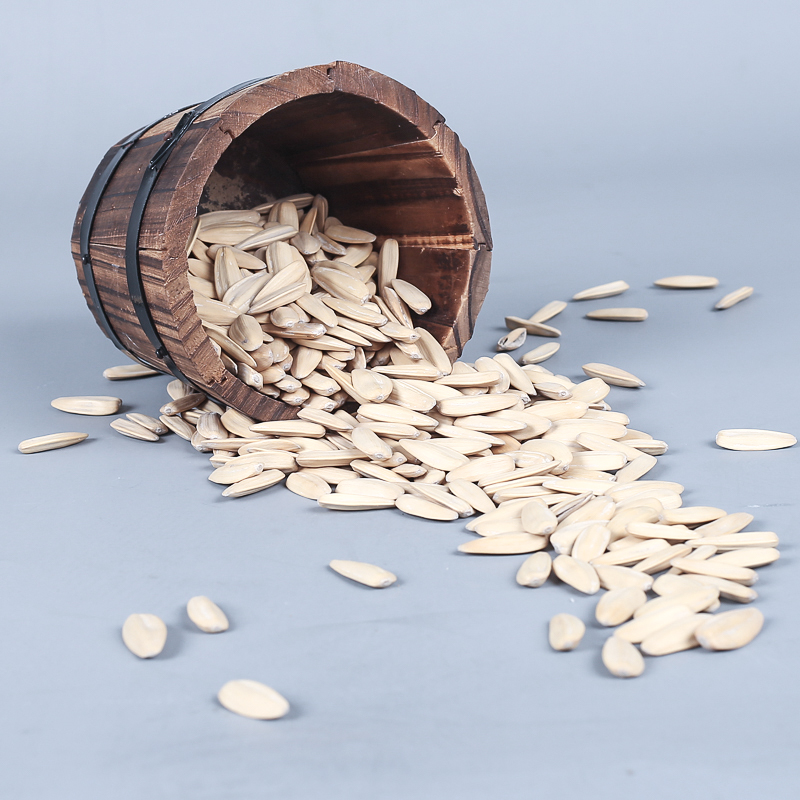
The performance of raw sunflower seeds centers around their suitability for downstream processing and the quality of the resulting products. A critical engineering consideration is the stress-strain behavior of the kernel during dehulling. Kernels exhibit brittle fracture, meaning they fail with minimal plastic deformation. The force required to fracture a kernel is influenced by moisture content, seed variety, and hull thickness. Finite element analysis (FEA) is used to optimize dehulling equipment design to minimize kernel damage. Environmental resistance is primarily relevant to storage stability. Sunflower seeds are susceptible to oxidation, leading to rancidity and reduced oil quality. Oxygen transmission rate (OTR) through packaging materials is a key parameter, and modified atmosphere packaging (MAP) – using nitrogen or carbon dioxide – is often employed to reduce oxidation. The moisture vapor transmission rate (MVTR) of packaging is also crucial, as excessive moisture promotes fungal growth. Compliance requirements vary by region. The European Union sets maximum levels for aflatoxins (produced by Aspergillus fungi) in food and feed. Regulations also address pesticide residues and heavy metal contamination. Functional implementation dictates the required seed quality. For oil extraction, high oil content and low free fatty acid levels are paramount. For edible kernel production, kernel size, shape, and color are important aesthetic parameters.
Technical Specifications
| Parameter | Unit | Typical Range (Oilseed Variety) | Typical Range (Confectionery Variety) |
|---|---|---|---|
| Oil Content (Dry Basis) | % | 40-50 | 38-45 |
| Protein Content (Dry Basis) | % | 18-26 | 20-28 |
| Moisture Content (at Harvest) | % | 8-12 | 8-12 |
| Kernel Size (Diameter) | mm | 6-10 | 10-16 |
| Kernel Weight (1000 Seeds) | g | 3-6 | 6-10 |
| Free Fatty Acid Content (as Oleic Acid) | % | ≤1.0 | ≤0.5 |
Failure Mode & Maintenance
Failure modes for raw sunflower seeds primarily relate to quality degradation during storage and handling. Oxidation is a major concern, leading to rancidity (indicated by off-flavors and odors) and a decrease in oil quality. This is exacerbated by high temperatures, exposure to oxygen, and the presence of metal catalysts. Aflatoxin contamination, caused by Aspergillus flavus and Aspergillus parasiticus fungi, is a serious safety hazard, particularly in warm, humid environments. Insect infestation (e.g., by storage beetles) can cause significant losses and render the seeds unusable. Physical damage during handling (cracking, chipping) increases surface area, accelerating oxidation and providing entry points for pests and microorganisms. Maintenance of seed quality requires careful control of storage conditions: maintaining low temperature (below 15°C) and humidity (below 65%), using airtight storage containers, and implementing regular pest control measures. Periodic monitoring of seed quality is essential, including assessing moisture content, oil quality (peroxide value, acidity), and aflatoxin levels. Preventative measures include proper drying before storage and the use of antifungal treatments (where permitted by regulations). Dehulling equipment should be regularly inspected for wear and tear to minimize kernel damage. A robust traceability system is vital to identify and isolate affected batches in case of contamination.
Industry FAQ
Q: What are the key differences in specifications between oilseed and confectionery sunflower seeds?
A: Oilseed varieties prioritize oil yield and are typically smaller in size with higher oil content. Confectionery varieties are larger, with a thicker hull that's easier to hull without damaging the kernel, and are selected for their size, shape, and flavor profile. Confectionery seeds generally have a lower oil content but a higher market value per unit weight.
Q: How can we mitigate the risk of aflatoxin contamination in sunflower seeds?
A: Implementing strict pre-harvest and post-harvest practices is critical. This includes selecting disease-resistant varieties, ensuring proper plant nutrition, avoiding plant stress, timely harvesting before significant fungal development, thorough drying to below 7% moisture content, proper storage in clean, dry, and well-ventilated facilities, and regular monitoring for aflatoxin levels.
Q: What impact does seed moisture content have on storage life?
A: Seed moisture content is the most critical factor influencing storage life. Higher moisture content accelerates enzymatic activity, fungal growth, and insect infestation. Maintaining a moisture content of 6-7% significantly extends storage life, minimizing quality degradation. Regular monitoring and control are essential.
Q: What are the common methods for determining oil content in raw sunflower seeds?
A: Soxhlet extraction is a traditional, gravimetric method considered the gold standard but is time-consuming. Nuclear Magnetic Resonance (NMR) spectroscopy is a rapid and non-destructive method gaining popularity. Near-infrared (NIR) spectroscopy offers a fast and cost-effective option, but requires calibration with reference methods.
Q: What packaging materials are best suited for long-term storage of raw sunflower seeds?
A: Packaging materials with low oxygen and moisture permeability are crucial. Multi-layer films incorporating aluminum foil or metallized polyester provide excellent barrier properties. Modified atmosphere packaging (MAP) using nitrogen or carbon dioxide further extends shelf life by reducing oxidation.
Conclusion
Raw sunflower seeds represent a versatile agricultural product with significant industrial value. Maintaining optimal quality throughout the supply chain requires a comprehensive understanding of their material properties, meticulous control of manufacturing processes, and adherence to stringent storage protocols. The key to maximizing value lies in minimizing quality degradation – particularly oxidation and aflatoxin contamination – through careful monitoring and proactive preventative measures.
Future developments will likely focus on optimizing dehulling technologies to minimize kernel damage, breeding for varieties with enhanced resistance to fungal diseases and improved oil quality, and exploring sustainable packaging solutions to reduce environmental impact. Continued research into the nutritional benefits of sunflower seeds and their potential applications in emerging bio-based industries will further solidify their position as a critical global commodity.
