Introduction
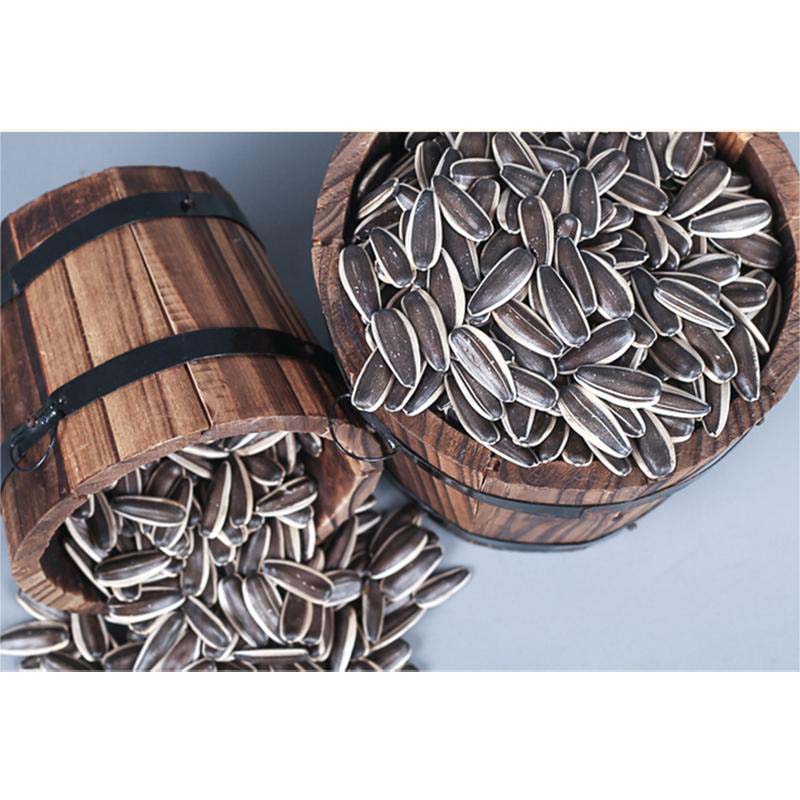
Sunflower seeds, Helianthus annuus, represent a significant component of the global snack food industry, transitioning beyond a simple agricultural product to a highly engineered ingredient in complex food formulations. This technical guide examines the production, properties, and performance characteristics of sunflower seeds processed for snack applications, focusing on the critical aspects of seed quality, processing techniques, and the resulting impact on product stability and consumer acceptability. Sunflower seeds occupy a unique position in the market, offering a relatively inexpensive plant-based protein and fat source, alongside a desirable textural profile. The industry faces ongoing challenges related to acrylamide formation during roasting, shell fragmentation, rancidity prevention, and consistent flavor development. This guide will dissect these challenges and detail the scientific and engineering principles governing optimal sunflower seed snack production.
Material Science & Manufacturing
The core material, the sunflower seed kernel, is composed primarily of lipids (40-50% by weight, largely linoleic acid), protein (20-25%, including globulins and albumins), carbohydrates (15-20%, predominantly non-starch polysaccharides), and moisture (typically 8-12%). The seed coat, or hull, is comprised of cellulose, hemicellulose, and lignin, providing structural integrity. Manufacturing begins with harvesting, followed by drying to approximately 9-10% moisture content to inhibit enzymatic activity and microbial growth. De-hulling is a critical step, employing mechanical abrasion or impact to separate the kernel from the hull. This process generates significant fines (broken kernel fragments) which are often utilized in lower-value applications. Kernel grading based on size and density is performed, followed by cleaning to remove foreign material. Roasting, typically conducted at temperatures between 140-180°C, is the primary processing step for flavor development. Control of roasting parameters – temperature, time, and air velocity – is paramount to minimizing acrylamide formation. Seasoning is applied post-roasting, utilizing dry or wet application techniques. Packaging is critical to maintain product freshness and prevent oxidative degradation. Nitrogen flushing and oxygen-absorbing sachets are commonly employed. Key parameter control revolves around moisture content monitoring throughout the process, lipid oxidation analysis using Peroxide Value (PV) and Anisidine Value (AV), and ensuring consistent roast profiles via process analytical technology (PAT).
Performance & Engineering
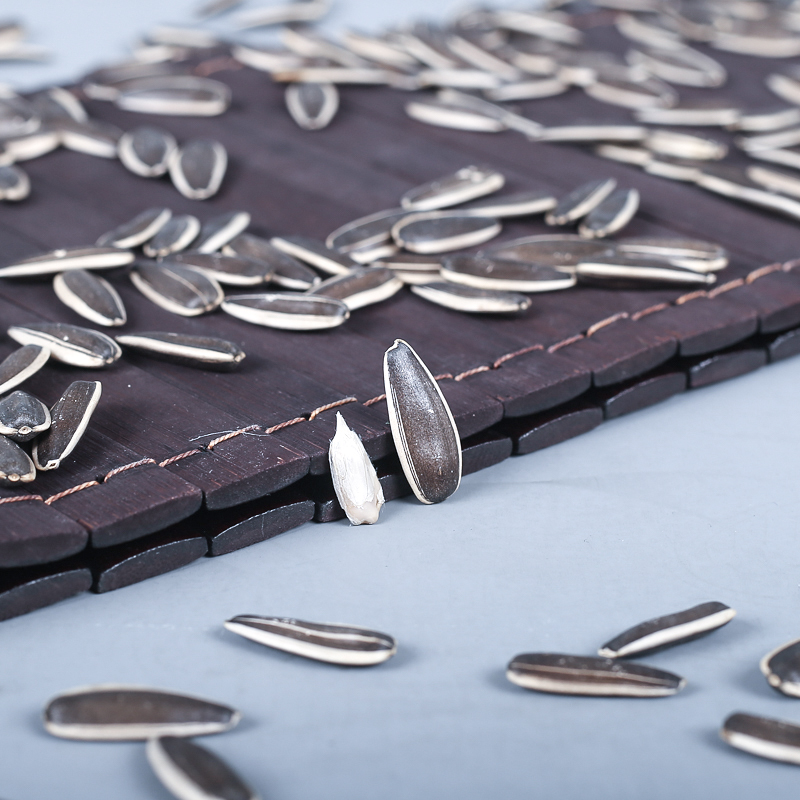
Performance characteristics are largely dictated by the lipid profile and roasting process. The linoleic acid content makes sunflower seeds susceptible to oxidative rancidity, impacting shelf life and flavor. Force analysis during de-hulling reveals the optimal impact force required to minimize kernel damage while achieving efficient separation. Environmental resistance, specifically moisture absorption, significantly impacts texture. High humidity can lead to softening of the kernel and increased susceptibility to microbial growth. Compliance requirements include adherence to food safety standards such as HACCP, as well as regulations concerning acrylamide levels established by governing bodies. Functional implementation encompasses optimizing seasoning adhesion, ensuring uniform coating coverage, and minimizing dust generation during handling. Thermal analysis (Differential Scanning Calorimetry - DSC) provides insights into lipid crystallization behavior and the impact of roasting on thermal stability. The selection of appropriate packaging materials is a crucial engineering consideration, balancing barrier properties (oxygen, moisture) with cost-effectiveness and processability.
Technical Specifications
| Parameter | Specification (Raw Kernel) | Specification (Roasted Kernel) | Test Method |
|---|---|---|---|
| Moisture Content | 8-10% | 2-4% | AOAC 925.10 |
| Oil Content (Dry Basis) | 48-54% | 45-50% | Soxhlet Extraction (AOAC 920.39) |
| Protein Content (Dry Basis) | 22-26% | 24-28% | Kjeldahl Method (AOAC 920.87) |
| Acrylamide Content | N/A | < 100 ppb | GC-MS (AOAC 2009.01) |
| Peroxide Value (PV) | < 5 meq O2/kg | < 10 meq O2/kg | AOCS Cd 8-53 |
| Anisidine Value (AV) | < 20 | < 30 | AOCS Cd 8-53 |
Failure Mode & Maintenance
Sunflower seed snacks are susceptible to several failure modes. Rancidity, driven by lipid oxidation, is a primary concern, resulting in off-flavors and reduced shelf life. This is exacerbated by exposure to oxygen, light, and elevated temperatures. Kernel cracking during processing, specifically de-hulling and roasting, leads to increased fines and reduced product appeal. This can be mitigated by optimizing process parameters and improving equipment maintenance. Acrylamide formation during roasting is a chemical failure mode linked to reducing sugar content and roasting temperature. Microbial contamination, particularly mold growth, can occur if moisture content is not adequately controlled. Packaging failure, such as seal integrity breaches, can accelerate oxidative degradation and moisture absorption. Maintenance strategies include regular cleaning and inspection of processing equipment, implementation of a robust pest control program, and strict adherence to HACCP principles. Storage recommendations emphasize cool, dry conditions and airtight packaging. Periodic sensory evaluation is critical for detecting early signs of rancidity or off-flavor development.
Industry FAQ
Q: What are the primary factors influencing acrylamide formation during sunflower seed roasting?
A: Acrylamide formation is primarily influenced by roasting temperature, time, and the availability of reducing sugars (glucose, fructose) in the seed. Higher temperatures and longer roasting times generally lead to increased acrylamide levels. Careful control of roasting parameters and selection of seed varieties with lower reducing sugar content can minimize formation.
Q: How can the shelf life of roasted sunflower seeds be maximized?
A: Maximizing shelf life requires a multi-faceted approach. Controlling moisture content below 4%, employing airtight packaging with nitrogen flushing and oxygen absorbers, and storing the product in cool, dark conditions are critical. Adding antioxidants, such as Vitamin E, can also inhibit lipid oxidation.
Q: What are the common causes of kernel cracking during de-hulling?
A: Kernel cracking is often caused by excessive impact force during de-hulling, uneven seed distribution, or worn de-hulling equipment. Optimizing de-huller settings, ensuring uniform seed flow, and performing regular maintenance are essential for minimizing cracking.
Q: What are the acceptable limits for Peroxide Value (PV) and Anisidine Value (AV) in sunflower seed snacks?
A: While specifications vary depending on the customer and region, generally, a PV below 10 meq O2/kg and an AV below 30 are considered acceptable for roasted sunflower seeds, indicating a minimal level of lipid oxidation. Regular monitoring of these values is crucial for quality control.
Q: How does the seed variety influence the final snack product quality?
A: Seed variety significantly impacts oil content, protein content, kernel size, and the levels of reducing sugars. High-oleic sunflower varieties, with lower linoleic acid content, exhibit greater oxidative stability. Varieties with smaller kernel size may be more prone to cracking during processing.
Conclusion
Sunflower seed snack production is a complex process requiring meticulous control over multiple parameters, from raw material selection to packaging. The inherent susceptibility of sunflower seed lipids to oxidation necessitates a proactive approach to preventing rancidity, employing optimized roasting profiles, protective packaging, and antioxidant strategies. Understanding the interplay between material science, engineering principles, and stringent quality control measures is paramount to delivering a consistently high-quality, safe, and palatable product to consumers.
Future advancements will likely focus on novel roasting technologies to minimize acrylamide formation, the development of more effective antioxidant systems, and the implementation of real-time process monitoring using advanced sensors and data analytics. The integration of sustainable practices, such as utilizing by-products from the de-hulling process and reducing water consumption, will also become increasingly important in the evolving snack food landscape.
