Introduction
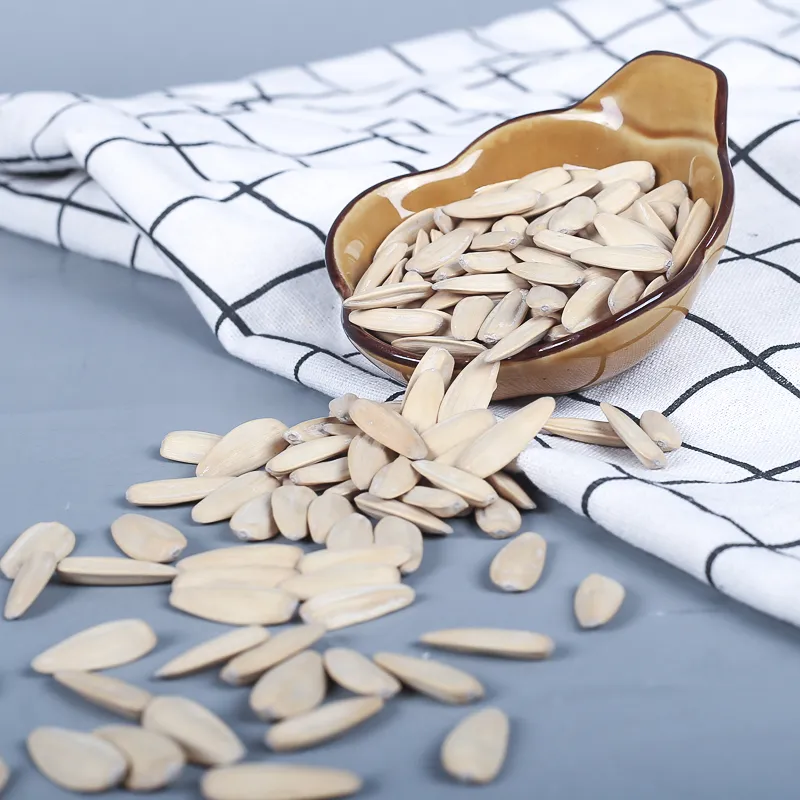
Sunflower seeds, Helianthus annuus, represent a significant commodity in the global food and oilseed markets. This technical guide details the intricacies of sunflower seed quality, processing, and preservation, focusing on aspects crucial for B2B trade and industrial applications. Positioned within the agricultural supply chain between primary cultivation and final consumer products (snacks, oil production, animal feed), sunflower seeds undergo rigorous quality control predicated on oil content, protein levels, moisture content, and freedom from contaminants. Core performance indicators revolve around maintaining seed viability for consumption and maximizing oil yield for industrial processing. The industry faces challenges regarding aflatoxin contamination, seed dormancy variations, and ensuring consistent quality across diverse growing regions, driving a demand for advanced sorting, drying, and storage technologies. This guide will delve into these critical areas, offering a comprehensive understanding for procurement managers, engineers, and quality control specialists.
Material Science & Manufacturing
Sunflower seeds are composed primarily of oil (42-58% by weight), protein (18-25%), carbohydrates (15-20%), and fiber (6-10%). The oil is rich in linoleic acid (a polyunsaturated fatty acid) and oleic acid, the proportion of which varies by seed variety (high-oleic, mid-oleic, and linoleic). The seed hull (pericarp) is composed largely of cellulose and lignin, providing physical protection and impacting shelling efficiency. Manufacturing begins with harvesting, typically utilizing combine harvesters equipped with shelling and cleaning mechanisms. Seed drying is paramount, reducing moisture content from 20-30% to 8-10% to prevent fungal growth and auto-oxidation of the oil. This is often achieved through forced-air drying systems, controlling temperature and airflow to minimize heat damage to the oil. De-hulling processes, employing mechanical abrasion or impact, separate the kernel from the hull. The efficiency of de-hulling significantly affects the quality of subsequent oil extraction or snack food production. Key parameters controlled during processing include seed temperature (maintained below 45°C to preserve oil quality), airflow rate (optimized for uniform drying), and de-hulling impact force (adjusted based on seed variety and hull toughness). Seed grading based on size and density is frequently conducted using screens and air separators. Contamination removal utilizes magnetic separators and optical sorters to eliminate ferrous metals and discolored seeds.
Performance & Engineering
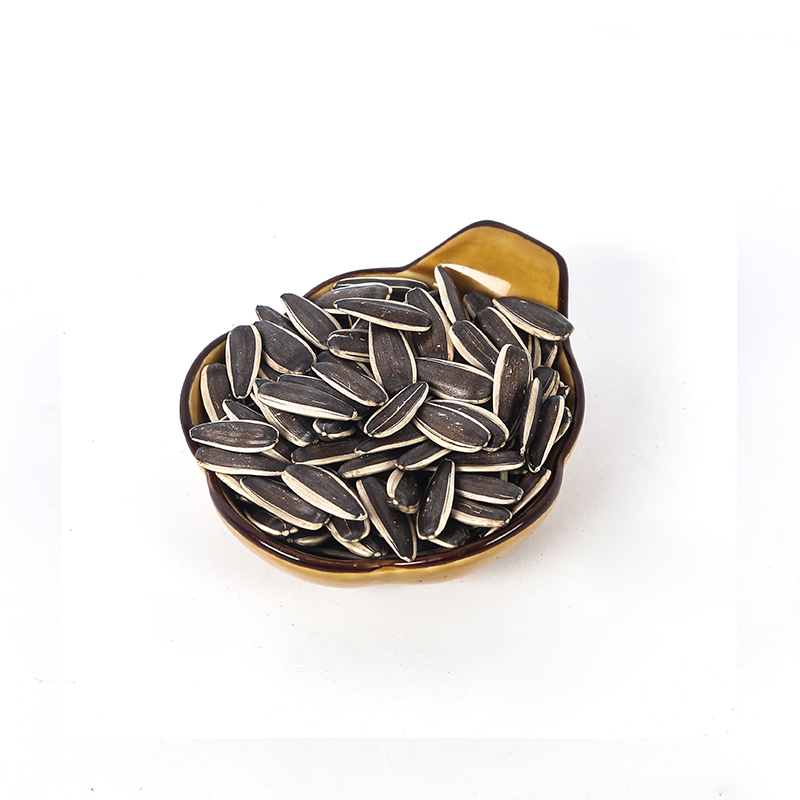
The performance of sunflower seeds in industrial applications is dictated by several engineering principles. Oil extraction efficiency, whether through mechanical pressing or solvent extraction (hexane), relies on seed particle size and oil body disruption. Force analysis during shelling reveals that hull fracture strength is dependent on seed moisture content and impact velocity. Environmental resistance is crucial during storage; seeds are susceptible to moisture regain, leading to aflatoxin contamination by Aspergillus flavus. Controlling humidity and temperature within storage silos (typically below 60% RH and 20°C) is essential. Compliance requirements vary by region. The European Union mandates strict limits on aflatoxin levels (typically <2 µg/kg), while US regulations are enforced by the FDA. Snack food production demands precise roasting profiles to achieve desired flavor and texture. Heat transfer analysis is vital to prevent scorching and maintain consistent seed color. Furthermore, packaging engineering plays a role in preventing oxidation and preserving seed viability, utilizing barrier materials (e.g., metallized films) to minimize oxygen transmission rate (OTR) and moisture vapor transmission rate (WVTR). The tensile strength of packaging materials must withstand handling and transportation stresses.
Technical Specifications
| Parameter | Unit | Typical Range (Oilseed Variety) | Typical Range (Confectionary Variety) |
|---|---|---|---|
| Oil Content | % (Dry Weight Basis) | 48-58 | 40-50 |
| Protein Content | % (Dry Weight Basis) | 18-25 | 20-28 |
| Moisture Content (at Harvest) | % | 10-12 | 8-10 |
| Kernel Hardness | N (Force to Fracture) | 150-250 | 80-150 |
| Aflatoxin B1 Level | µg/kg | <2 (Regulatory Limit) | <2 (Regulatory Limit) |
| Hull Percentage | % (Weight Basis) | 25-35 | 5-15 |
Failure Mode & Maintenance
Sunflower seed degradation presents several failure modes. Lipid oxidation, accelerated by heat, light, and oxygen, leads to rancidity, diminishing oil quality and generating off-flavors. Aflatoxin contamination, resulting from fungal growth during improper storage, represents a serious health hazard and can lead to product recalls. Seed dormancy variations can cause inconsistent germination rates for seeds intended for propagation. Physical damage during handling (cracking, chipping) reduces seed quality and market value. Maintenance strategies include implementing proper storage conditions (low temperature, low humidity, dark environment), employing antioxidant packaging materials, and regular monitoring for aflatoxin levels using ELISA or HPLC methods. Preventative maintenance of drying and de-hulling equipment, including belt inspections and lubrication, minimizes mechanical damage. Seed coatings containing fungicides can mitigate fungal growth during storage. Regular quality control testing for oil content, protein content, and moisture content ensures product consistency and compliance with industry standards. Furthermore, investing in seed cleaning technology to remove foreign materials (dust, stems, leaves) prolongs storage life.
Industry FAQ
Q: What is the primary factor influencing sunflower oil yield during extraction?
A: Seed oil content is the dominant factor, but kernel size distribution and hull integrity are also critical. Smaller, well-dehulled kernels generally yield higher oil extraction rates. Pre-treatment methods, such as flaking or cooking, also significantly affect oil release.
Q: How can we minimize the risk of aflatoxin contamination in bulk sunflower seed storage?
A: Maintaining low moisture content (below 8.5%), ensuring proper ventilation, controlling storage temperature (below 20°C), and implementing a robust pest control program are crucial. Regular sampling and testing for aflatoxin levels are also essential.
Q: What is the difference between high-oleic and linoleic sunflower seeds, and what are the industrial implications?
A: High-oleic seeds contain a higher percentage of oleic acid, providing greater oxidative stability and longer shelf life for the resulting oil. Linoleic seeds are more susceptible to oxidation but are preferred for certain applications where linoleic acid is desired. This impacts oil refining processes and end-product applications.
Q: What are the key considerations when selecting packaging materials for sunflower seeds intended for long-term storage?
A: Packaging must provide a robust barrier against oxygen, moisture, and light. Metallized films or multilayer structures incorporating aluminum foil are often used. The tensile strength and puncture resistance of the packaging are also important to prevent damage during transportation.
Q: How does seed dormancy impact the usability of sunflower seeds for planting?
A: High seed dormancy can lead to reduced germination rates. Stratification (cold, moist treatment) or scarification (physical abrasion of the seed coat) can break dormancy and improve germination. Seed variety and harvest conditions influence dormancy levels.
Conclusion
Sunflower seed quality and processing are complex, encompassing material science, engineering principles, and stringent quality control measures. Maintaining optimal oil content, minimizing aflatoxin contamination, and ensuring proper storage are critical for successful B2B trade and industrial applications. Understanding the interplay between seed variety, processing parameters, and environmental factors is paramount for maximizing product value and meeting regulatory requirements.
Future trends in the sunflower seed industry will likely focus on developing seed varieties with improved oil profiles, enhanced disease resistance, and reduced dormancy. Adoption of advanced sorting technologies (e.g., hyperspectral imaging) and real-time monitoring systems will further enhance quality control. Investment in sustainable agricultural practices will become increasingly important to address environmental concerns and meet consumer demand for responsibly sourced products.
