Introduction
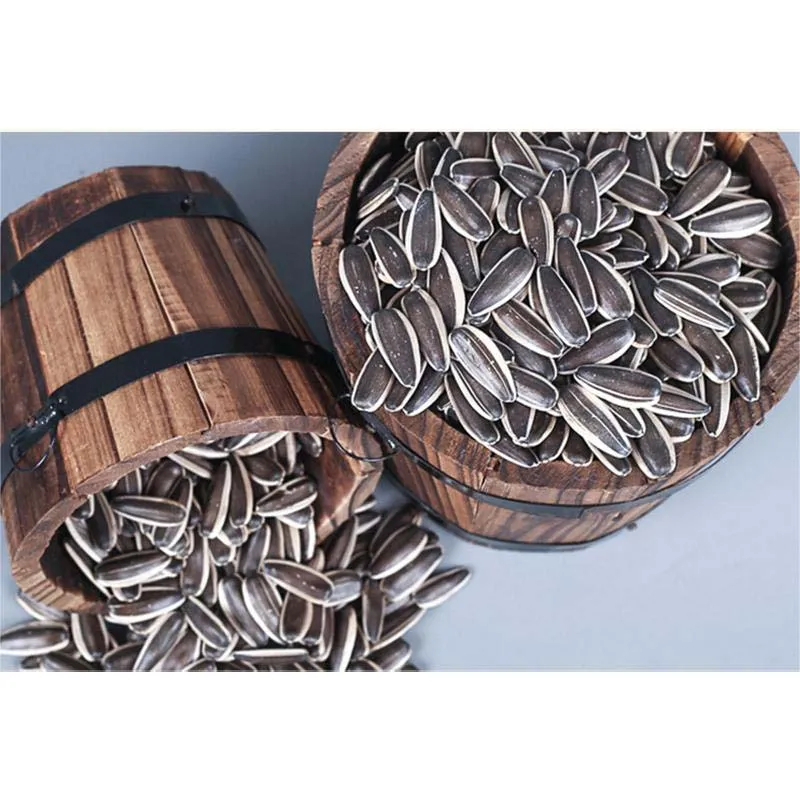
Shelled sunflower seeds represent a significant segment within the snack food industry, and increasingly, a vital component in animal feed formulations. Technically, they are the de-hulled kernels of Helianthus annuus, processed to remove the pericarp (hull) revealing the edible cotyledons. Their position within the supply chain begins with agricultural production, followed by harvesting, drying, dehulling, sorting, and finally, packaging. Core performance characteristics center around oil content, protein levels, moisture content, kernel size, and the absence of foreign material. The industry currently faces challenges related to consistent dehulling efficiency, minimizing kernel damage during processing, and ensuring compliance with increasingly stringent food safety standards related to mycotoxin levels and pesticide residue. This guide provides an in-depth technical overview of shelled sunflower seeds, encompassing material science, manufacturing processes, performance criteria, failure modes, and relevant industry standards.
Material Science & Manufacturing
Sunflower seeds are composed primarily of lipids (35-55%), proteins (18-25%), carbohydrates (15-20%), and fiber (5-10%), with varying proportions dependent on cultivar. The lipid component consists mainly of linoleic acid (omega-6) and oleic acid (omega-9), impacting oxidative stability. Protein quality is moderate, containing essential amino acids but with limiting levels of lysine and threonine. The seed coat, or pericarp, is composed of cellulose, hemicellulose, and lignin, providing structural integrity but hindering kernel accessibility.
Manufacturing begins with harvesting when the seed moisture content reaches approximately 18-20%. Drying, typically utilizing forced-air systems, reduces moisture to 8-10% for safe storage. The crucial step is dehulling, employing various methods: impact dehulling (using rotating disks or hammers), roller dehulling (compressing seeds between rollers), and air separation. Impact dehulling, while efficient, causes higher kernel damage. Roller dehulling offers lower damage but requires precise control of roller gap and seed feed rate. Post-dehulling, seeds undergo cleaning (removal of hulls, stems, leaves, and other foreign matter) via screens, air separators, and gravity tables. Sorting, often automated using optical sorters, categorizes seeds by size, color, and shape. Key parameters include dehulling yield (percentage of kernels recovered), kernel damage (measured by broken kernels and splintering), and foreign material content. Maintaining consistent seed moisture throughout processing is vital, as overly dry seeds are prone to cracking, while excessively moist seeds can facilitate microbial growth. Temperature control during drying is critical to avoid protein denaturation and lipid oxidation.
Performance & Engineering
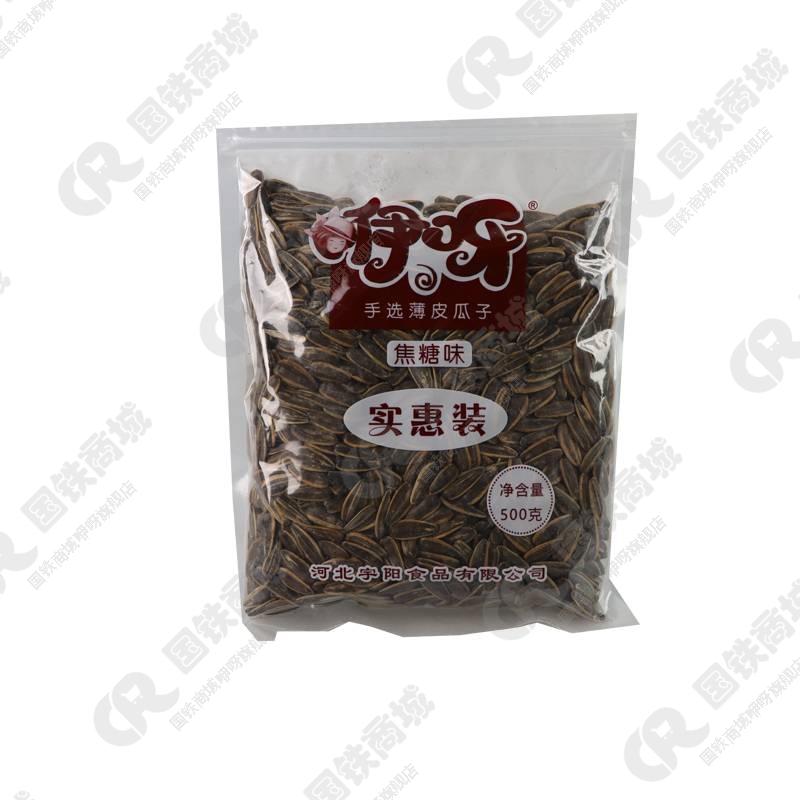
Performance of shelled sunflower seeds is dictated by several factors. Shear force analysis is used to determine kernel firmness, impacting mouthfeel in snack applications. Oil extraction efficiency, critical for oilseed processors, is influenced by seed density and structural integrity. Environmental resistance, specifically moisture uptake and lipid oxidation, impacts shelf life. Packaging plays a crucial role in mitigating these effects. Barrier properties of packaging materials, particularly oxygen transmission rate (OTR) and water vapor transmission rate (WVTR), directly correlate with product stability. Compliance requirements include maximum permissible levels of heavy metals (lead, cadmium), pesticides, and mycotoxins (aflatoxins, ochratoxin A) as stipulated by regulatory bodies like the FDA and EFSA. Mechanical integrity of packaging—tensile strength, puncture resistance—is also essential to prevent damage during transportation and handling. Furthermore, the seeds' susceptibility to rancidity, a consequence of lipid oxidation, necessitates the addition of antioxidants (e.g., tocopherols) and appropriate storage conditions (low temperature, inert atmosphere). Engineering considerations include optimizing dehulling machinery for minimal kernel breakage and implementing efficient cleaning systems to remove contaminants. The bulk density of the seeds also influences transportation and storage logistics.
Technical Specifications
| Parameter | Typical Value | Test Method | Industry Standard |
|---|---|---|---|
| Oil Content (Dry Basis) | 40-55% | Soxhlet Extraction (AOCS Official Method Ak 3.25) | AOCS |
| Protein Content (Dry Basis) | 18-25% | Kjeldahl Method (AOCS Official Method Ba 3.1) | AOCS |
| Moisture Content | 8-10% | Oven Drying (AOCS Official Method Ca 14-90) | AOCS |
| Kernel Damage (Broken Kernels) | < 5% | Visual Inspection | Industry Best Practice |
| Foreign Material Content | < 0.5% | Visual Inspection / Sieving | Industry Best Practice |
| Aflatoxin Level | < 20 ppb | HPLC-Fluorescence | FDA/EFSA Regulations |
Failure Mode & Maintenance
Failure modes in shelled sunflower seeds can be categorized into physical, chemical, and biological degradation. Physical failures include kernel cracking during processing or handling, leading to reduced quality and potential dust formation. Chemical degradation primarily involves lipid oxidation, resulting in rancidity and off-flavors. This is exacerbated by exposure to oxygen, light, and elevated temperatures. Peroxide value and acid value are key indicators of oxidation. Biological failures encompass microbial spoilage, particularly mold growth and mycotoxin production. Aflatoxins are a major concern, requiring rigorous monitoring and control. Maintenance strategies include regular cleaning and sanitation of processing equipment to prevent microbial contamination. Proper storage conditions—cool, dry, and dark—are critical to minimize lipid oxidation and maintain seed viability. Equipment maintenance for dehulling and sorting machinery focuses on minimizing kernel damage through precise calibration and timely replacement of worn parts. Preventative maintenance programs should include regular inspection of rollers and impact plates, ensuring optimal performance and reducing the likelihood of mechanical failure. Monitoring moisture content throughout the process is paramount to preventing both physical damage and microbial growth.
Industry FAQ
Q: What are the primary factors influencing the shelf life of shelled sunflower seeds?
A: Shelf life is primarily influenced by lipid oxidation and moisture content. High oil content makes them susceptible to rancidity, accelerated by exposure to oxygen, light, and heat. Maintaining low moisture content (below 10%) inhibits microbial growth. Proper packaging with low OTR and WVTR is crucial, and the addition of antioxidants like vitamin E can extend shelf life significantly.
Q: How does the dehulling process impact the nutritional profile of the seeds?
A: The dehulling process primarily removes the fiber-rich hull, increasing the concentration of oil, protein, and carbohydrates in the kernel. While essential nutrients are concentrated, some minor nutrients present in the hull are lost. Minimizing kernel damage during dehulling is critical to preserve the integrity of the remaining nutrients, particularly unsaturated fatty acids.
Q: What are the key considerations for preventing aflatoxin contamination?
A: Preventing aflatoxin contamination requires a multifaceted approach. This includes sourcing seeds from regions with low aflatoxin prevalence, ensuring proper drying to reduce moisture content, minimizing kernel damage during processing, and implementing rigorous quality control measures to monitor aflatoxin levels throughout the supply chain. Storage facilities must be clean, dry, and well-ventilated.
Q: What is the role of optical sorting in shelled sunflower seed processing?
A: Optical sorting plays a critical role in removing defective seeds, foreign material, and discolored kernels. It utilizes cameras and image processing algorithms to identify and reject non-conforming seeds based on size, shape, color, and surface defects, enhancing product quality and safety.
Q: How does the choice of packaging material affect the quality of shelled sunflower seeds during storage?
A: The packaging material is crucial. Materials with low oxygen permeability (OTR) and low water vapor permeability (WVTR) are essential to prevent rancidity and maintain a stable moisture content. Metallized films, multi-layer laminates, and airtight containers are commonly used. The material must also be mechanically robust to withstand handling and transportation stresses.
Conclusion
Shelled sunflower seeds represent a complex system where material science, precise manufacturing, and meticulous quality control converge. Optimizing dehulling efficiency while minimizing kernel damage is a central challenge. Maintaining product integrity requires a thorough understanding of lipid oxidation mechanisms, mycotoxin risks, and the critical role of packaging in preserving freshness and nutritional value.
Future trends point towards advanced sorting technologies utilizing hyperspectral imaging for more precise quality assessment, the development of bio-based packaging materials to enhance sustainability, and continued research into strategies for mitigating aflatoxin contamination. Adherence to stringent industry standards and continuous process improvement are essential for ensuring the consistent production of high-quality shelled sunflower seeds that meet evolving consumer demands and regulatory requirements.
