Introduction
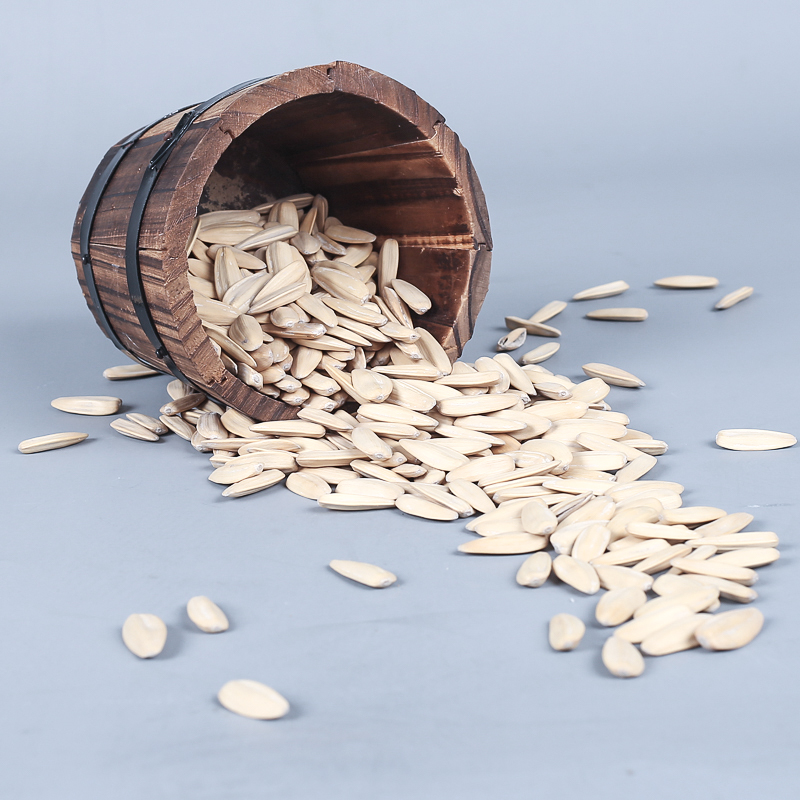
Unshelled sunflower seeds ( Helianthus annuus ) represent a significant commodity within the agricultural and snack food industries. Their position within the supply chain begins with agricultural cultivation, progressing through harvesting, drying, cleaning, grading, and finally, packaging for both direct consumer consumption and industrial applications. These seeds are valued primarily for their high oil content (40-50% by weight), protein content (20-25% by weight), and essential fatty acids. As a processed food product, unshelled sunflower seeds are subject to stringent quality control measures encompassing moisture content, kernel integrity, foreign material presence, and oil stability. Core performance attributes influencing market value include seed size, kernel fullness, oil yield, and absence of defects like insect damage or mold growth. The increasing demand for healthy snack options and plant-based protein sources drives ongoing innovation in processing techniques and quality assurance protocols for unshelled sunflower seeds.
Material Science & Manufacturing
The primary material science considerations for unshelled sunflower seeds revolve around the composition of the seed hull (pericarp) and the kernel (cotyledon). The pericarp is largely composed of cellulose, hemicellulose, and lignin, providing a protective barrier. Its mechanical properties—tensile strength, flexibility, and resistance to cracking—influence the seed’s ability to withstand handling during processing and transport. The kernel is rich in lipids, primarily linoleic acid (an omega-6 fatty acid) and oleic acid (an omega-9 fatty acid), along with proteins, carbohydrates, and various micronutrients. The oil's composition dictates its oxidative stability and nutritional value. Manufacturing processes commence with harvesting when seed moisture content is optimized (typically 15-20%). Drying reduces moisture to a stable level (8-10%) preventing fungal growth and preserving oil quality. Cleaning removes debris (stalks, leaves, stones). Grading separates seeds by size and weight. Parameter control is crucial during drying; excessively high temperatures degrade oil quality and protein structure. Precise control of airflow and drying time is essential to avoid cracking the pericarp. Post-harvest treatment with food-grade coatings may be applied to improve flowability, reduce dust, and enhance shelf life. Careful calibration of cleaning and grading machinery is vital to minimize seed damage and maintain product uniformity. Storage conditions – temperature, humidity, and oxygen levels – significantly impact seed viability and oil stability.

Performance & Engineering
Performance assessment of unshelled sunflower seeds involves evaluating several key characteristics. Shelling force – the energy required to remove the kernel from the shell – is a critical parameter impacting processing efficiency and kernel damage during subsequent operations. Environmental resistance relates to the seed’s ability to withstand storage conditions (temperature, humidity) without significant quality degradation. Prolonged exposure to high humidity promotes mold growth and aflatoxin contamination. Exposure to oxygen leads to lipid oxidation, causing rancidity and reducing nutritional value. Compliance requirements are dictated by food safety regulations such as those established by the FDA (Food and Drug Administration) in the United States and EFSA (European Food Safety Authority) in Europe. These regulations specify permissible levels of contaminants (pesticides, heavy metals, mycotoxins) and establish Good Manufacturing Practices (GMPs) for processing facilities. Functional implementation involves optimizing packaging materials and storage conditions to extend shelf life and preserve product quality. Modified atmosphere packaging (MAP), utilizing nitrogen or carbon dioxide, can minimize oxidation and microbial growth. Engineered storage facilities with controlled temperature and humidity are vital for maintaining seed viability and quality during extended storage periods. Seed integrity, measured by the percentage of damaged or broken kernels, directly impacts processing yields and final product quality.
Technical Specifications
| Parameter | Unit | Typical Value | Acceptable Range |
|---|---|---|---|
| Moisture Content | % | 8.5 | 7.0 – 10.0 |
| Oil Content | % (Dry Basis) | 48 | 45 – 55 |
| Protein Content | % (Dry Basis) | 23 | 20 – 26 |
| Kernel Size (Average Diameter) | mm | 8.0 | 6.0 – 10.0 |
| Shelling Percentage | % | 55 | 50 – 60 |
| Acid Value (Indicates Lipid Oxidation) | mg KOH/g | 0.8 | < 2.0 |
Failure Mode & Maintenance
Failure modes for unshelled sunflower seeds typically manifest as quality degradation rather than catastrophic structural failure. Lipid oxidation is a primary failure mechanism, leading to rancidity, off-flavors, and a reduction in nutritional value. This is accelerated by exposure to oxygen, light, and elevated temperatures. Pericarp cracking, induced by mechanical stress during processing or drying, compromises seed integrity and increases susceptibility to insect infestation and moisture absorption. Insect damage (e.g., by storage beetles) causes significant economic losses and can introduce harmful toxins. Mold growth, particularly Aspergillus species, can lead to aflatoxin contamination, posing a serious health risk. Degradation of proteins and carbohydrates during prolonged storage reduces the seed’s nutritional value. Maintenance involves implementing strict quality control measures throughout the supply chain. Proper drying and storage conditions are crucial for minimizing lipid oxidation and mold growth. Regular inspection for insect infestation and prompt corrective actions (e.g., fumigation or controlled atmosphere storage) are essential. Protective packaging materials (e.g., oxygen-barrier films) can reduce oxidation. Implementing a First-In, First-Out (FIFO) inventory management system minimizes storage time and reduces the risk of quality degradation. Periodic laboratory analysis for oil quality (acid value, peroxide value) and mycotoxin levels is recommended.
Industry FAQ
Q: What is the critical moisture content threshold to prevent mold growth in bulk stored sunflower seeds?
A: The critical moisture content threshold for preventing mold growth in bulk stored sunflower seeds is generally considered to be below 8.5%. Maintaining a moisture content below this level significantly inhibits the growth of Aspergillus and other mold species that can produce mycotoxins. Regular monitoring of moisture levels during storage is essential.
Q: How does the variety of sunflower seed impact its oil quality and shelf life?
A: Sunflower seed varieties differ significantly in their fatty acid profiles, impacting oil quality and shelf life. High-oleic varieties, containing predominantly oleic acid, exhibit greater oxidative stability and longer shelf life compared to linoleic varieties. The genetic predisposition of the seed also influences the concentration of antioxidants, further contributing to its resistance to rancidity.
Q: What are the common methods for detecting aflatoxin contamination in sunflower seeds?
A: Common methods for detecting aflatoxin contamination in sunflower seeds include Enzyme-Linked Immunosorbent Assay (ELISA) and High-Performance Liquid Chromatography (HPLC). ELISA is a rapid and cost-effective screening method, while HPLC provides more accurate and quantifiable results. Both methods are used to ensure compliance with regulatory limits.
Q: What packaging materials are best suited for extending the shelf life of unshelled sunflower seeds?
A: Packaging materials with excellent oxygen and moisture barrier properties are best suited for extending the shelf life of unshelled sunflower seeds. Examples include multi-layer films incorporating aluminum foil, polyethylene terephthalate (PET), and polyethylene (PE). Modified atmosphere packaging (MAP) with nitrogen flushing can further enhance preservation by reducing oxygen levels.
Q: What role does seed size play in processing efficiency and kernel damage?
A: Seed size significantly influences processing efficiency and kernel damage. Uniform seed size facilitates more consistent shelling and sorting, reducing the risk of kernel breakage. Larger seeds generally have a higher oil content, but may also be more prone to cracking during processing if equipment is not properly calibrated. Grading seeds by size before processing optimizes efficiency and minimizes damage.
Conclusion
Unshelled sunflower seeds, while seemingly simple, represent a complex intersection of agricultural science, material science, and food processing engineering. Their quality and performance are governed by a multitude of factors, from genetic variety and growing conditions to post-harvest handling and storage practices. Maintaining optimal moisture content, minimizing lipid oxidation, and preventing contamination are paramount to ensuring a safe and nutritious product.
Continued advancements in seed breeding, processing technologies, and packaging materials will be crucial for meeting the growing demand for high-quality sunflower seeds. Implementing robust quality control systems and adhering to stringent industry standards are essential for maintaining consumer confidence and fostering sustainable growth within the sunflower seed industry. Future research should focus on enhancing oxidative stability, developing more effective methods for aflatoxin detection, and optimizing storage protocols to extend shelf life.
