Introduction
Sweet melon seed, Cucumis melo var. flexuosus, represents a significant agricultural commodity primarily utilized for edible oil production and as a human food source. Its position within the food processing industry chain is as a primary agricultural product undergoing crushing and refining. Core performance characteristics center around oil yield, protein content, and the presence of unsaturated fatty acids – linoleic and oleic acids – which contribute to nutritional value and oxidative stability. This technical guide provides an in-depth exploration of sweet melon seed, encompassing its material science, manufacturing processes, performance parameters, potential failure modes, and relevant industry standards. A critical pain point in the industry is consistently achieving high oil yield while minimizing free fatty acid content, as this impacts oil quality and refining efficiency. Another crucial aspect is ensuring seed integrity during storage to prevent rancidity and maintain germination rates when seeds are intended for replanting.
Material Science & Manufacturing
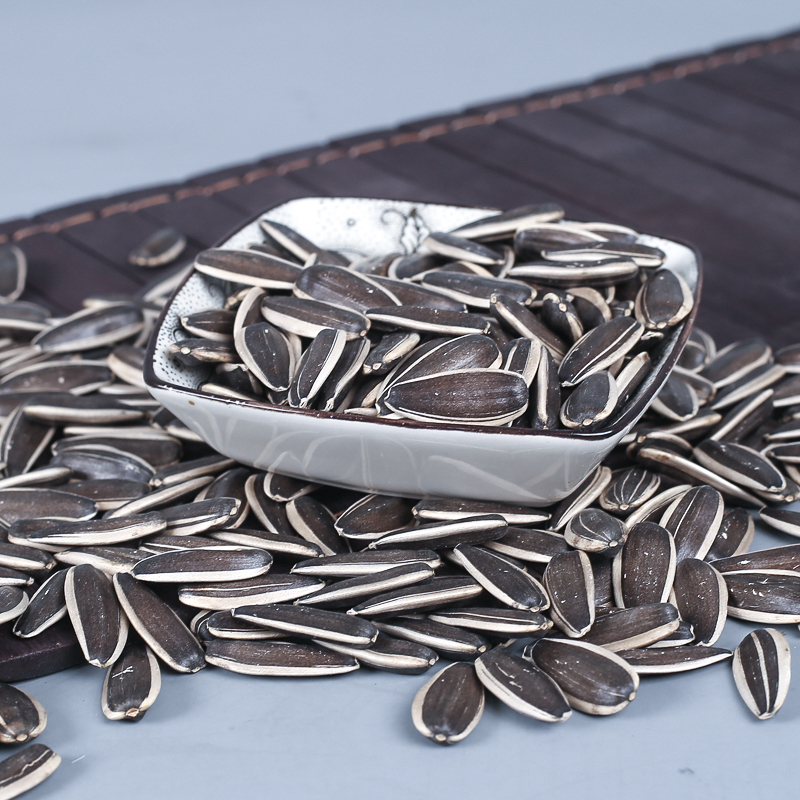
Sweet melon seed composition comprises approximately 45-55% oil, 25-35% protein, 8-15% carbohydrate, and 3-7% moisture content. The seed hull, or testa, is composed primarily of cellulose and lignin, providing a protective barrier. The kernel, where the majority of the oil resides, consists of lipid cells surrounded by protein bodies and starch granules. Oil composition varies based on cultivar and growing conditions, but typically consists of 40-60% linoleic acid, 20-40% oleic acid, and smaller amounts of palmitic and stearic acids. Manufacturing begins with harvesting and drying the mature melons. Seeds are then separated from the pulp mechanically, often using threshing machines. Subsequent cleaning removes debris and damaged seeds. The critical process of oil extraction typically employs mechanical pressing (expelling) or solvent extraction (typically with hexane). Mechanical pressing yields a lower oil yield but results in a higher quality oil with fewer residual solvents. Solvent extraction is more efficient but requires thorough solvent removal to meet food safety standards. Parameter control during drying is crucial; excessive heat can denature proteins and reduce oil quality. During solvent extraction, temperature and pressure must be carefully controlled to maximize oil recovery and minimize degradation. Post-extraction, the oil undergoes refining processes including degumming, neutralization, bleaching, and deodorization to remove impurities and improve its flavor and stability.

Performance & Engineering
Performance assessment of sweet melon seed focuses on several key areas. Oil yield, measured as the percentage of oil extracted from the seed weight, is paramount. The engineering aspects involved in maximizing yield include optimizing press parameters (pressure, speed, temperature) for mechanical pressing, and solvent-to-seed ratios, temperature, and contact time for solvent extraction. Environmental resistance concerns primarily relate to seed storage. High humidity promotes mold growth and lipid oxidation, reducing oil quality and germination rate. Optimal storage conditions involve low temperature (below 15°C) and low humidity (below 60%). Seed tensile strength is relevant during processing, as excessive force during threshing or cleaning can cause seed damage. Force analysis during pressing involves understanding the stress distribution within the seed kernel to optimize press design and prevent seed breakage. Compliance requirements are dictated by food safety regulations such as those established by the FDA (Food and Drug Administration) in the US and EFSA (European Food Safety Authority) in Europe, focusing on permissible solvent residues, aflatoxin levels, and oil quality parameters (acid value, peroxide value, iodine value). Functional implementation of sweet melon seed oil involves its application in food products, cosmetics, and potentially as a biofuel feedstock, each requiring specific purity and quality standards.
Technical Specifications
| Parameter | Unit | Typical Value | Test Method |
|---|---|---|---|
| Oil Content | % (wt/wt) | 48-52 | Soxhlet Extraction (ISO 6593) |
| Moisture Content | % (wt/wt) | 6-8 | Oven Drying (ISO 712) |
| Protein Content | % (wt/wt) | 28-32 | Kjeldahl Method (ISO 8968) |
| Acid Value | mg KOH/g | < 4.0 | Titration (ISO 660) |
| Peroxide Value | meq O2/kg | < 10.0 | Titration (ISO 3960) |
| Iodine Value | g I2/100g | 110-125 | Wijs Method (ISO 3785) |
Failure Mode & Maintenance
Common failure modes of sweet melon seed and its derived oil relate to degradation during storage and processing. Lipid oxidation, leading to rancidity, is a primary concern. This is accelerated by exposure to oxygen, light, heat, and metal ions. The formation of peroxides and aldehydes contributes to off-flavors and reduces oil quality. Another failure mode is enzymatic hydrolysis of triglycerides, releasing free fatty acids and increasing the acid value. Seed hull cracking during mechanical processing reduces oil yield and introduces impurities. Protein denaturation due to high temperature during drying or extraction can decrease the nutritional value and processing efficiency. Maintenance strategies include storing seeds in airtight containers in a cool, dark, and dry environment. Adding antioxidants (e.g., tocopherols) to the oil can inhibit lipid oxidation. Proper cleaning and maintenance of processing equipment prevent contamination and ensure optimal performance. Regular monitoring of oil quality parameters (acid value, peroxide value) is crucial for detecting degradation and implementing corrective actions. For seeds intended for replanting, maintaining viability through controlled storage is essential. Avoiding mechanical damage during handling and processing minimizes seed deterioration.
Industry FAQ
Q: What is the optimal moisture content for sweet melon seeds prior to oil extraction, and why is it critical?
A: The optimal moisture content is typically between 8-10%. Lower moisture content can lead to increased seed brittleness and damage during pressing, reducing oil yield. Higher moisture content increases energy consumption during drying and can promote microbial growth, leading to spoilage and increased free fatty acid content.
Q: How do different solvent extraction methods (e.g., hexane vs. supercritical CO2) impact the final oil quality and safety profile?
A: Hexane extraction is more efficient but requires rigorous solvent removal to meet food safety standards. Residual hexane levels are a critical concern. Supercritical CO2 extraction is a greener alternative, leaving no solvent residue, but is more expensive and may have lower extraction efficiency. The choice depends on cost-benefit analysis and regulatory requirements.
Q: What are the key indicators of oil degradation during storage, and how can these be monitored?
A: Key indicators include an increase in acid value and peroxide value, and the development of rancid odors. These can be monitored using standard analytical methods like titration (for acid and peroxide values) and sensory evaluation. Gas chromatography can be used to analyze the formation of oxidation products.
Q: What is the role of aflatoxin contamination in sweet melon seeds, and what measures are taken to mitigate this risk?
A: Aflatoxins are carcinogenic mycotoxins produced by Aspergillus fungi. Sweet melon seeds are susceptible to aflatoxin contamination during improper storage, especially in humid conditions. Mitigation measures include pre-harvest practices to minimize fungal infection, proper drying and storage to prevent mold growth, and regular testing for aflatoxin levels to ensure compliance with regulatory limits.
Q: What are the main differences in oil composition between different cultivars of sweet melon seeds, and how does this affect their suitability for specific applications?
A: Different cultivars exhibit variations in fatty acid profiles, particularly the ratio of linoleic to oleic acid. Higher linoleic acid content increases susceptibility to oxidation but provides better nutritional value. Higher oleic acid content improves oxidative stability but may affect flavor. These variations influence the suitability for applications like cooking oil, cosmetics, or biofuel production.
Conclusion
Sweet melon seed represents a valuable resource within the agricultural and food processing industries. Understanding its material science – from the lipid and protein composition of the kernel to the protective structure of the testa – is fundamental to optimizing oil extraction and preserving seed quality. The manufacturing processes, whether mechanical pressing or solvent extraction, require precise parameter control to maximize yield while minimizing degradation and ensuring food safety. Effective storage and maintenance practices are critical to prevent failure modes associated with oxidation, hydrolysis, and microbial contamination.
The future of sweet melon seed utilization lies in exploring novel extraction technologies, enhancing seed breeding programs to improve oil yield and fatty acid profiles, and developing sustainable storage solutions. Adherence to stringent international standards, coupled with continuous monitoring of key quality parameters, will ensure the production of high-quality sweet melon seed oil for a variety of applications, contributing to both nutritional health and economic sustainability.
