Introduction
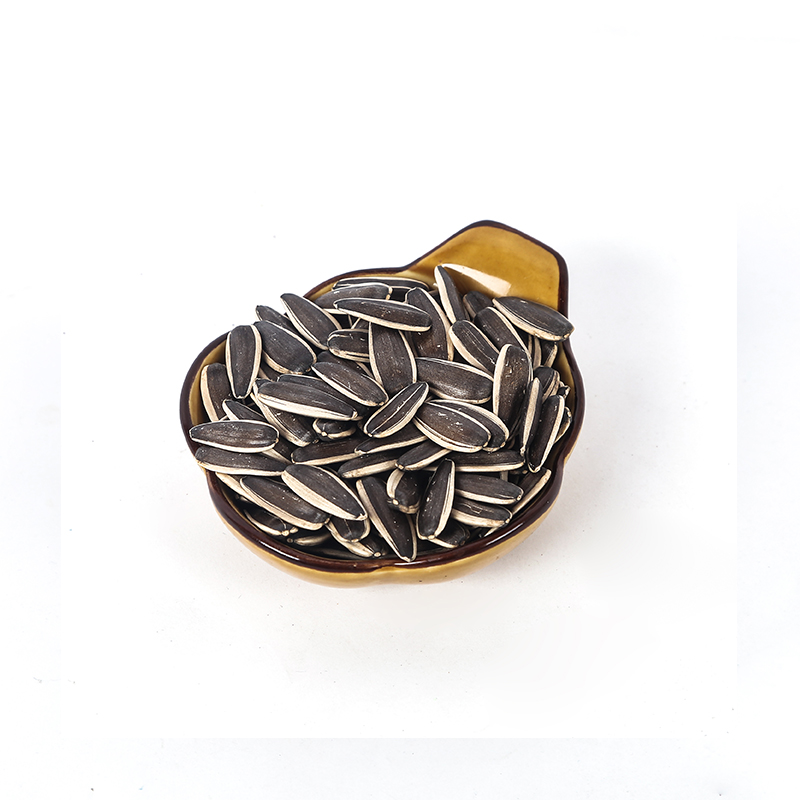
Tangerine peel flavored sunflower seeds represent a processed snack food product within the broader seed-based confectionery industry. These seeds, typically derived from Helianthus annuus (the common sunflower), undergo a series of processing steps including dehulling, drying, roasting, and flavoring to achieve the final product. Their technical position in the food chain is as a value-added agricultural product, bridging the gap between raw commodity agriculture and consumer packaged goods. Core performance characteristics center around palatability – a balance of saltiness, sweetness, and the aromatic profile derived from tangerine peel – alongside textural attributes like crispness and seed integrity. Critical quality parameters also include minimizing the presence of broken kernels, shell fragments, and foreign materials. From a logistical perspective, maintaining consistent flavor application and preventing rancidity during storage and distribution are significant industry challenges. The product’s appeal relies on achieving a precise organoleptic profile and maintaining a desirable shelf life.
Material Science & Manufacturing
The primary raw material, sunflower seeds, exhibits a complex composition. The seed kernel is rich in oil (40-50% linoleic acid, 20-30% oleic acid), protein (around 20-25%), and fiber. The hull, primarily cellulose and lignin, provides structural integrity but is removed during processing. Tangerine peel, sourced from Citrus reticulata, contributes volatile organic compounds (VOCs) – primarily limonene, myrcene, and valencene – responsible for the characteristic aroma and flavor. The manufacturing process begins with cleaning and dehulling the sunflower seeds. This is often achieved mechanically using rubber rollers or abrasive surfaces. Following dehulling, seeds are dried to reduce moisture content (typically to 8-10%) to prevent microbial growth and facilitate roasting. Roasting, typically performed in rotating drum roasters at temperatures between 140-180°C, develops the characteristic flavor and crispness. Precise temperature control is critical to prevent scorching and maintain optimal oil quality. The flavoring process involves applying a solution containing sugar, salt, tangerine peel extract (often a spray-dried powder), and potentially other additives. This is typically done in a rotating drum or fluidized bed coater, ensuring even distribution. Key parameter control focuses on maintaining consistent roasting profiles (temperature, time, drum speed), controlling the viscosity and solids content of the flavoring solution, and managing airflow during coating to achieve uniform application and prevent clumping. The chemical compatibility between the flavoring agents and the seed oil must be considered to prevent degradation and off-flavor development.
Performance & Engineering
Performance considerations extend beyond sensory attributes to encompass packaging integrity and logistical robustness. Force analysis is critical in packaging design, evaluating the compressive strength of containers to prevent kernel damage during stacking and transport. Environmental resistance concerns center around moisture absorption, which can lead to softening and clumping, and oxygen permeability, which accelerates rancidity. Packaging materials with low water vapor transmission rates (WVTR) and oxygen transmission rates (OTR) are therefore essential. Compliance requirements vary by region, but generally include food safety regulations (e.g., HACCP, GMP) and labeling requirements regarding allergen information, nutritional content, and ingredient lists. Functional implementation of the tangerine peel flavor relies on controlled release of aromatic compounds. The encapsulation of the tangerine peel extract in a protective matrix (e.g., maltodextrin) can improve its stability and extend its shelf life. Furthermore, the particle size distribution of the flavoring solution influences its adhesion to the seed surface and the uniformity of flavor distribution. A consistent coating thickness is crucial for delivering the desired flavor intensity. Engineering challenges involve optimizing the coating process to minimize waste, maximize efficiency, and ensure consistent product quality.
Technical Specifications
| Parameter | Unit | Specification | Test Method |
|---|---|---|---|
| Moisture Content | % w/w | ≤ 8.0 | Oven Drying (AOAC 925.10) |
| Oil Content | % w/w | 40 – 50 | Soxhlet Extraction (AOAC 920.39) |
| Salt Content (NaCl) | % w/w | 1.0 – 2.0 | Argentometric Titration (AOAC 930.45) |
| Tangerine Peel Extract Content | % w/w | 0.5 – 1.5 | HPLC-UV |
| Broken Kernels | % by weight | ≤ 5.0 | Visual Inspection & Sieving |
| Foreign Material | % by weight | ≤ 0.1 | Visual Inspection |
Failure Mode & Maintenance
Failure modes in tangerine peel flavored sunflower seeds primarily relate to sensory degradation and physical damage. Rancidity, caused by the oxidation of unsaturated fatty acids in the seed oil, is a common failure mechanism, resulting in off-flavors and reduced palatability. This is exacerbated by exposure to oxygen, light, and elevated temperatures. Flavor loss, due to the volatilization of aromatic compounds from the tangerine peel extract, is another frequent issue. Physical damage, such as kernel cracking and coating delamination, can occur during processing, packaging, and transportation. Moisture absorption can lead to softening of the kernels and clumping of the coating, reducing the product’s textural appeal. Failure analysis should prioritize identifying the root cause of rancidity (e.g., inadequate packaging, high storage temperatures) and flavor loss (e.g., insufficient encapsulation, improper storage conditions). Maintenance strategies include implementing strict quality control measures throughout the manufacturing process, utilizing packaging materials with optimal barrier properties, and controlling storage conditions (temperature, humidity, light exposure). Regular sensory evaluation and monitoring of peroxide value (PV) and anisidine value (AV) can help detect early signs of rancidity. Implementing a First-In, First-Out (FIFO) inventory management system is crucial for minimizing storage time and preventing degradation. Proper cleaning and sanitation of processing equipment are vital to prevent microbial contamination and maintain product quality.
Industry FAQ
Q: What is the optimal storage temperature and humidity range to maximize shelf life?
A: The optimal storage temperature is between 15-20°C (59-68°F) with a relative humidity of less than 60%. Higher temperatures accelerate rancidity and flavor loss, while excessive humidity can lead to softening and clumping. Storing the product in airtight containers and protecting it from direct sunlight is also crucial.
Q: How does the type of oil used in the sunflower seeds impact flavor stability?
A: Sunflower oil with a higher oleic acid content is more resistant to oxidation and therefore contributes to better flavor stability. High linoleic acid content accelerates rancidity. Seed selection based on oil composition is a critical factor in product quality.
Q: What packaging materials are most effective at preventing rancidity and maintaining flavor?
A: Multi-layer films incorporating aluminum foil or metallized polyester provide excellent barrier properties against oxygen and light. Packaging with a low WVTR is also essential to prevent moisture absorption. Modified atmosphere packaging (MAP) using nitrogen flushing can further reduce oxygen levels.
Q: What analytical methods are used to quantify the tangerine peel flavor intensity and stability?
A: Gas chromatography-mass spectrometry (GC-MS) is used to identify and quantify the volatile organic compounds (VOCs) responsible for the tangerine peel aroma. Sensory evaluation panels can also be used to assess flavor intensity and detect off-flavors. Accelerated shelf-life testing, combined with GC-MS analysis, can predict flavor stability over time.
Q: How do you control the particle size of the tangerine peel extract to ensure uniform coating?
A: Spray drying is commonly used to produce a powdered tangerine peel extract with a controlled particle size distribution. The spray drying parameters (inlet temperature, feed rate, atomization pressure) are optimized to achieve the desired particle size and morphology. Particle size analysis using laser diffraction can be used to verify the uniformity of the powder.
Conclusion
Tangerine peel flavored sunflower seeds represent a complex food system where material science, manufacturing processes, and packaging technology intersect to deliver a desirable sensory experience. Maintaining consistent product quality requires rigorous control over raw material sourcing, precise parameter control during processing, and the utilization of appropriate packaging materials. Addressing the primary challenges of rancidity and flavor loss through optimized storage conditions and advanced encapsulation techniques is essential for maximizing shelf life and consumer satisfaction.
Further research focusing on novel antioxidant additives and biodegradable packaging materials could enhance the product’s sustainability and appeal. Investigating alternative flavoring methods, such as microencapsulation with enhanced release profiles, may lead to improved flavor delivery and prolonged sensory enjoyment. The interplay between the chemical composition of the sunflower oil, the volatile compounds in the tangerine peel extract, and the permeability characteristics of the packaging material will continue to be a critical area of focus for product development and optimization.
