Introduction
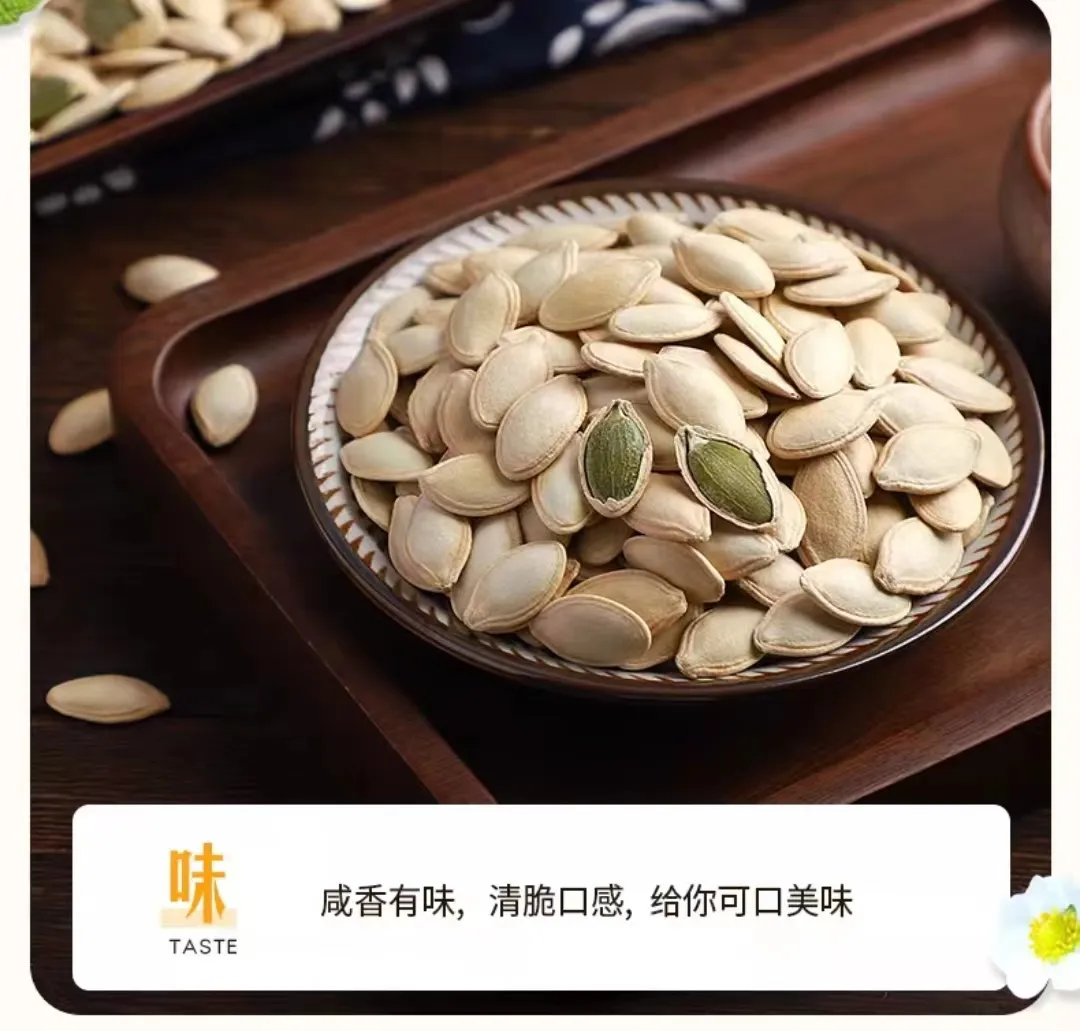
Unsalted sunflower seeds ( Helianthus annuus ) represent a significant commodity within the global food processing industry, positioned primarily as a snack food and increasingly as a nutritional ingredient. They occupy a critical juncture between agricultural production and consumer packaged goods, bridging the gap between raw agricultural output and readily consumable products. These seeds are valued for their high oil content, protein levels, and vitamin E concentration. The absence of salt in this specific product variant caters to health-conscious consumers and specific dietary requirements, creating a niche market segment. Core performance characteristics revolve around seed viability (germination rate for seed production), kernel fullness, oil yield, and the absence of defects like mold or insect damage. This guide details the material science, manufacturing processes, performance parameters, potential failure modes, and relevant industry standards associated with unsalted sunflower seeds intended for direct human consumption.
Material Science & Manufacturing
Sunflower seeds are biologically complex materials comprising a hull (pericarp), kernel (cotyledon), and embryo. The hull, primarily cellulose and lignin, provides physical protection. The kernel, the edible portion, is rich in lipids (40-50% by weight), proteins (20-25%), carbohydrates (15-20%), and fiber. The lipid profile consists largely of linoleic acid (omega-6) and oleic acid (omega-9). Manufacturing begins with agricultural cultivation, followed by harvesting, drying to a moisture content of approximately 9-10% to inhibit microbial growth and enzymatic activity, and dehulling. Dehulling, a critical step, utilizes mechanical abrasion and impact to separate the kernel from the hull. Parameters such as impact velocity, abrasion surface texture, and seed feed rate are tightly controlled to minimize kernel damage. Further processing involves kernel sorting (optical and density-based) to remove broken kernels, foreign matter, and discolored seeds. Quality control at this stage involves rigorous assessments of kernel size, shape, and color. Finally, seeds undergo cleaning, polishing (optional), and packaging in moisture-barrier films (typically multi-layer polyethylene or polypropylene) to maintain freshness and prevent rancidity. Key parameter control during drying includes temperature (typically below 60°C to preserve oil quality) and airflow rate. Improper drying leads to cracking, reduced oil yield, and increased susceptibility to mold. Dehulling efficiency directly impacts the final product yield and requires precise calibration of machinery.
Performance & Engineering
Performance evaluation of unsalted sunflower seeds centers on several key areas: nutritional value, shelf life, and structural integrity. Nutritional analysis involves determining the fatty acid profile (using gas chromatography), protein content (Kjeldahl method), vitamin E concentration (HPLC), and mineral composition (atomic absorption spectroscopy). Shelf life is critically dependent on minimizing lipid oxidation. Engineering considerations focus on the mechanical properties of the seeds during processing and packaging. The compressive strength of the kernel is relevant to dehulling efficiency and resistance to breakage during handling. The frictional coefficient between seeds is a factor in packaging line performance and flowability. Environmental resistance primarily concerns moisture uptake and oxygen permeability of the packaging material. High moisture content promotes mold growth and rancidity. Regulatory compliance necessitates adherence to food safety standards (see Standards & Regulations section) regarding pesticide residues, heavy metal contamination (lead, cadmium), and microbiological limits. Furthermore, the absence of genetically modified organisms (GMOs) may be a critical performance requirement depending on the target market. Force analysis during dehulling assesses the optimal force required to separate the kernel without causing damage, utilizing models based on fracture mechanics and material strength.
Technical Specifications
| Parameter | Unit | Typical Value | Acceptable Range |
|---|---|---|---|
| Kernel Moisture Content | % | 8.0 | 7.0 - 9.5 |
| Kernel Oil Content (Dry Basis) | % | 48 | 45 - 55 |
| Kernel Protein Content (Dry Basis) | % | 22 | 20 - 25 |
| Kernel Broken/Damaged (Visual Inspection) | % | 2 | ≤ 5 |
| Foreign Matter (Visual Inspection) | % | 0.1 | ≤ 0.5 |
| Peroxide Value (Oil) | meq O₂/kg | 2.5 | ≤ 5.0 |
Failure Mode & Maintenance
Failure modes in unsalted sunflower seeds primarily manifest as rancidity, mold growth, and physical damage. Rancidity, caused by lipid oxidation, is accelerated by exposure to oxygen, light, and elevated temperatures. This results in off-flavors and reduced nutritional value. Mold growth, particularly Aspergillus species, produces mycotoxins that pose health risks. This is favored by high moisture content and inadequate storage conditions. Physical damage, including kernel breakage during processing and cracking during handling, reduces market value and increases susceptibility to moisture uptake. Maintenance strategies focus on preventative measures. Proper drying and storage are critical – maintaining low moisture content (<10%) and utilizing airtight, opaque packaging. Regular monitoring of peroxide value and microbial load is essential for quality control. Implementing a robust cleaning and sanitation program in processing facilities minimizes contamination. Preventative maintenance of dehulling and sorting equipment reduces kernel damage. For long-term storage, controlled atmosphere packaging (nitrogen flushing) can significantly extend shelf life by reducing oxygen exposure. Failure analysis of rejected batches should focus on identifying the root cause of the defect (e.g., improper drying, inadequate cleaning, packaging defects) to implement corrective actions.
Industry FAQ
Q: What is the optimal storage temperature for maximizing shelf life of unsalted sunflower seeds?
A: The optimal storage temperature is between 4°C and 10°C (39°F and 50°F). Lower temperatures significantly slow down the rate of lipid oxidation and microbial growth. However, condensation must be avoided, as increased humidity negates the benefits of low temperature.
Q: How does the hulling process impact the seed’s susceptibility to rancidity?
A: The hull provides a natural barrier against oxygen and light. Removing the hull increases the surface area exposed to these elements, accelerating lipid oxidation and increasing the rate of rancidity. Proper packaging and storage are therefore even more crucial for hulled seeds.
Q: What analytical methods are used to assess the quality of sunflower oil within the seeds?
A: Common analytical methods include gas chromatography to determine the fatty acid profile, peroxide value determination to assess the extent of oxidation, and acid value determination to measure free fatty acid content. Iodine value provides information about the degree of unsaturation.
Q: Are there specific regulations concerning the allowable levels of acrylamide in sunflower seeds?
A: While acrylamide is more commonly associated with starch-rich foods, it can form in sunflower seeds during high-temperature processing (though typically at very low levels). Regulations vary by country, but generally follow guidelines established by the World Health Organization (WHO) and national food safety agencies, focusing on minimizing exposure.
Q: How does seed variety impact the oil content and fatty acid profile of the final product?
A: Seed variety significantly impacts oil content and fatty acid profile. Different cultivars are bred for specific oil content, oleic acid vs. linoleic acid ratios, and other desirable traits. The chosen variety directly influences the nutritional properties and processing characteristics of the seeds.
Conclusion
Unsalted sunflower seeds, while seemingly simple, represent a complex interplay of agricultural science, food processing engineering, and material properties. Maintaining quality and extending shelf life requires meticulous control of moisture content, lipid oxidation, and physical integrity throughout the entire supply chain. Understanding the material science – from the composition of the hull and kernel to the chemical reactions driving rancidity – is crucial for optimizing processing parameters and implementing effective storage strategies.
Future trends in this sector will likely focus on developing sunflower varieties with enhanced nutritional profiles (e.g., higher vitamin E content, optimized omega-3/omega-6 ratios) and improved resistance to oxidative degradation. Advancements in packaging technology, such as active packaging incorporating oxygen scavengers and antimicrobial agents, will further extend shelf life and enhance product quality. Continued adherence to stringent food safety standards and regulatory compliance will remain paramount to ensure consumer safety and market access.
