Introduction
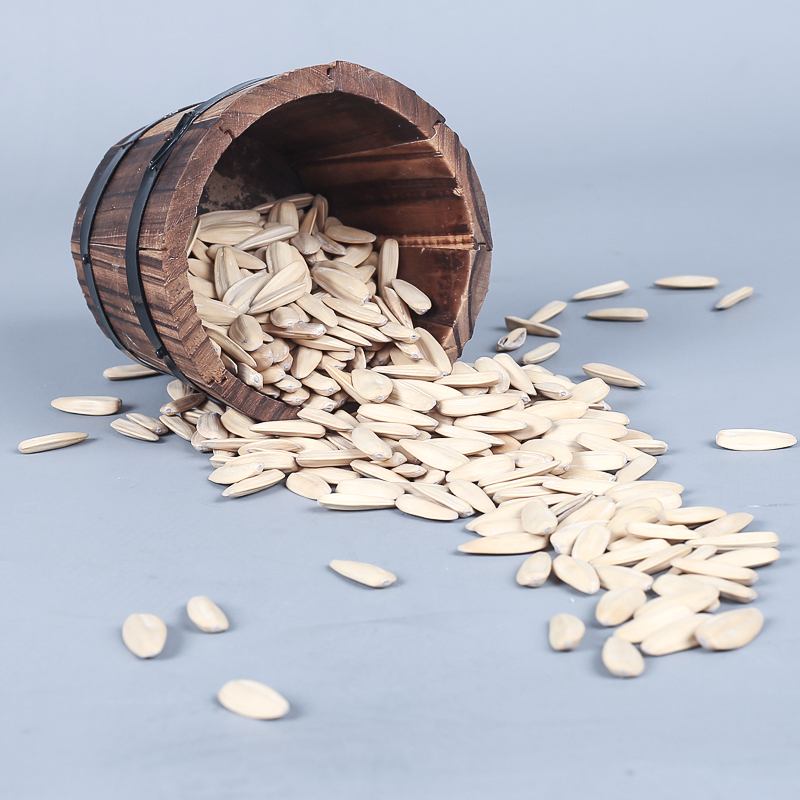
Yellow melon seeds ( Cucumis melo var. reticulatus), specifically those derived from cantaloupe varieties, represent a significant agricultural commodity with a growing role in the functional food and snack food industries. Their position within the food chain is as a processed food product, typically undergoing drying, roasting, and seasoning before consumption. Core performance characteristics center around seed viability (for replanting), nutritional density (protein, fats, vitamins, and minerals), and sensory attributes (flavor, texture, and aroma). The primary industrial challenge revolves around maintaining seed quality through optimal harvesting, processing, and storage techniques to minimize rancidity and preserve nutritional value. This guide provides an in-depth technical assessment of yellow melon seed properties, manufacturing processes, performance engineering, failure modes, and relevant industry standards.
Material Science & Manufacturing
The raw material, yellow melon seeds, primarily consists of lipids (30-50%), proteins (25-35%), carbohydrates (10-15%), and moisture (5-10%). The lipid composition is crucial, comprising linoleic acid (omega-6) and oleic acid (omega-9), impacting oxidative stability. Seed coat structure, composed of cellulose and lignin, provides a protective barrier. Manufacturing begins with seed extraction from mature cantaloupe fruits. Optimal maturity is crucial, affecting oil content and flavor development. Extraction is followed by cleaning to remove pulp residue. Drying, typically employing hot air ovens at temperatures between 60-80°C, reduces moisture content to below 8% to inhibit microbial growth and enzymatic activity. Roasting, at 120-150°C, develops characteristic flavor compounds via Maillard reactions and caramelization. Critical parameter control during roasting includes temperature uniformity and duration, preventing scorching and maintaining protein integrity. Seasoning involves applying salt, spices, or flavor coatings. Packaging utilizes materials providing barrier properties against oxygen and moisture to minimize rancidity. Control of water activity (aw) during processing and packaging is essential, aiming for aw < 0.6 to ensure microbial stability.
Performance & Engineering
Performance engineering for yellow melon seeds extends beyond sensory evaluation. Mechanical properties, such as seed coat hardness (measured via compression testing) and seed fracture resistance, are crucial for processing efficiency and minimizing breakage during handling. Thermal stability, assessed through differential scanning calorimetry (DSC), determines the temperature range for safe processing and storage. Oxidative stability, monitored via Rancimat testing, quantifies the induction time before lipid oxidation commences, directly impacting shelf life. Packaging materials are engineered to minimize oxygen transmission rate (OTR) and water vapor transmission rate (WVTR), preserving seed quality. Compliance requirements include adherence to food safety regulations (e.g., HACCP) and labeling standards regarding nutritional content and allergen declarations. Force analysis during packaging lines determines optimal conveyor speeds and handling procedures to prevent seed damage. Environmental resistance considerations include maintaining product quality under varying temperature and humidity conditions during transportation and storage. A key engineering challenge is preventing the formation of acrylamide during roasting, achieved through optimized temperature control and minimizing reducing sugar content.
Technical Specifications
| Parameter | Unit | Specification | Test Method |
|---|---|---|---|
| Moisture Content | % w/w | ≤ 8.0 | AOAC 925.10 |
| Lipid Content | % w/w | 30 – 50 | AOAC 920.39 |
| Protein Content | % w/w | 25 – 35 | Kjeldahl Method (AOAC 978.05) |
| Acid Value | mg KOH/g | ≤ 2.0 | Titration (AOCS Cd 3-63) |
| Peroxide Value | meq O2/kg | ≤ 10.0 | Titration (AOCS Cd 8-53) |
| Water Activity (aw) | - | ≤ 0.6 | Water Activity Meter (e.g., Rotronic) |
Failure Mode & Maintenance
Common failure modes include rancidity due to lipid oxidation, leading to off-flavors and reduced nutritional value. This is accelerated by exposure to oxygen, light, and elevated temperatures. Seed coat cracking during processing or handling can result in broken seeds and increased susceptibility to moisture uptake. Microbial contamination, particularly with molds, can occur if moisture content is not adequately controlled. Color degradation, resulting from Maillard reaction products or pigment oxidation, impacts visual appeal. Maintenance strategies involve implementing strict quality control measures throughout the production process, including regular monitoring of moisture content, lipid oxidation levels, and microbial load. Proper storage in airtight containers, protected from light and heat, is essential. Packaging materials with high barrier properties are crucial. Regular inspection for cracked seeds and removal of any contaminated batches are necessary. Preventive maintenance of processing equipment, ensuring proper temperature control and minimizing mechanical damage, is vital. Shelf-life studies should be conducted to establish appropriate expiration dates.
Industry FAQ
Q: What are the primary causes of rancidity in yellow melon seeds and how can it be mitigated?
A: Rancidity is primarily caused by the oxidation of unsaturated fatty acids in the seeds' lipid content. This process is accelerated by exposure to oxygen, light, heat, and certain metal ions. Mitigation strategies include: utilizing packaging materials with low OTR, adding antioxidants (e.g., vitamin E, rosemary extract), controlling processing temperatures to minimize oxidation, and maintaining low moisture content.
Q: What is the significance of water activity (aw) in determining the shelf life of the product?
A: Water activity (aw) is a measure of the unbound water in a food product, which is available for microbial growth and chemical reactions. Lowering aw below 0.6 significantly inhibits microbial proliferation and slows down the rate of lipid oxidation, thereby extending shelf life. Maintaining this level requires effective drying and moisture-barrier packaging.
Q: How does roasting temperature affect the flavor profile and acrylamide formation in yellow melon seeds?
A: Higher roasting temperatures generally result in more intense, developed flavors due to increased Maillard reactions and caramelization. However, excessively high temperatures can lead to scorching and increased acrylamide formation. Acrylamide formation is favored by the presence of reducing sugars and asparagine. Optimizing roasting temperature and time is crucial for achieving the desired flavor profile while minimizing acrylamide levels.
Q: What types of packaging materials are most effective in preserving the quality of yellow melon seeds?
A: Multi-layer packaging films incorporating aluminum foil or metallized polyester provide excellent barrier properties against oxygen, moisture, and light. High-density polyethylene (HDPE) or polypropylene (PP) containers with tight seals are also suitable. The selection depends on cost, processing requirements, and the desired shelf life.
Q: What quality control tests are essential for ensuring the consistency and safety of yellow melon seed products?
A: Essential quality control tests include: moisture content analysis, lipid content analysis, acid value and peroxide value determination (to assess oxidation), microbial testing, water activity measurement, and sensory evaluation. Regular monitoring of these parameters ensures product consistency, safety, and adherence to quality standards.
Conclusion
Yellow melon seed processing demands a rigorous understanding of material science and engineering principles to ensure product quality, safety, and extended shelf life. Controlling parameters throughout the entire production chain – from seed maturity at harvest to final packaging – is paramount. Lipid oxidation remains the primary degradation pathway, requiring careful consideration of storage conditions, packaging materials, and the potential addition of antioxidants.
Future developments in this sector will likely focus on innovative packaging technologies incorporating active components to scavenge oxygen or release antioxidants, alongside advancements in roasting techniques to minimize acrylamide formation. Further research into the functional properties of yellow melon seeds and their potential health benefits will drive market expansion and diversification of product offerings. Maintaining stringent quality control and adherence to international standards will remain critical for success in the competitive snack food market.
