

Feb . 11, 2026 00:01 Back to list
1 ppr pipe price factory Performance Analysis
Introduction
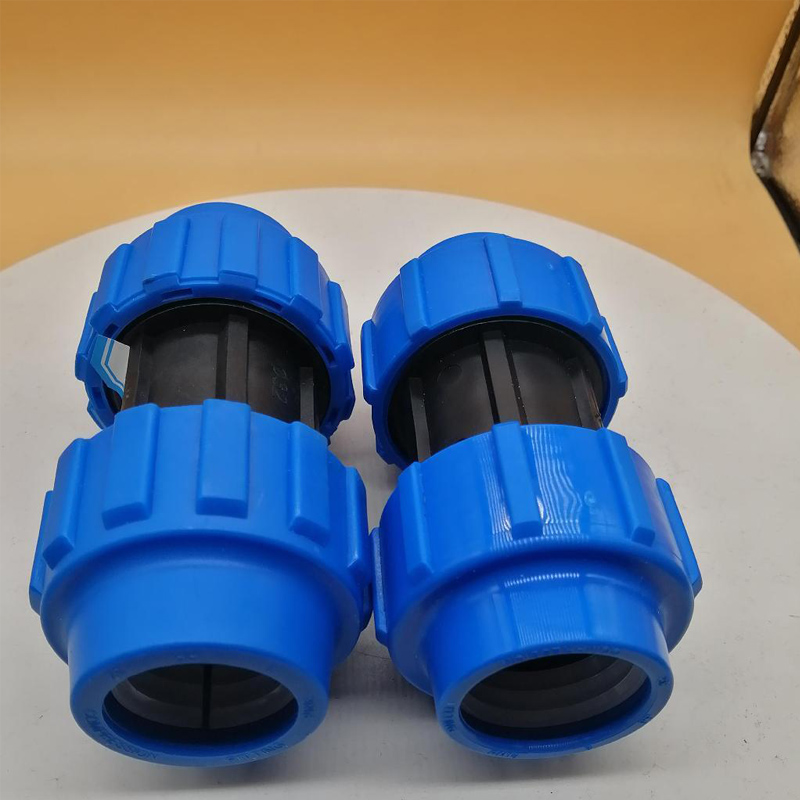
Polypropylene Random (PPR) piping systems represent a significant advancement in fluid conveyance technology, particularly within building infrastructure and industrial applications. A '1 ppr pipe price factory' refers to a manufacturing facility specializing in the production of PPR pipes, fittings, and associated components, typically focusing on achieving economies of scale and competitive pricing. PPR pipes are characterized by their inherent corrosion resistance, lightweight nature, ease of installation via heat fusion welding, and good thermal insulation properties. Their position in the industry chain is as a direct replacement for traditional metallic piping systems (copper, galvanized steel) in non-pressure and low-pressure applications, primarily for hot and cold potable water, heating systems, and industrial fluid transport where chemical compatibility permits. Core performance characteristics revolve around pressure ratings (PN10, PN16, PN20 – signifying maximum operating pressure in bar), temperature resistance (typically up to 70°C for continuous operation, with short-term temperature spikes allowable up to 95°C), and long-term hydrostatic strength, all dictated by the polypropylene copolymer composition and manufacturing process controls. The industry frequently grapples with concerns regarding long-term creep resistance, particularly at elevated temperatures, and the assurance of consistent raw material quality impacting weld integrity.
Material Science & Manufacturing
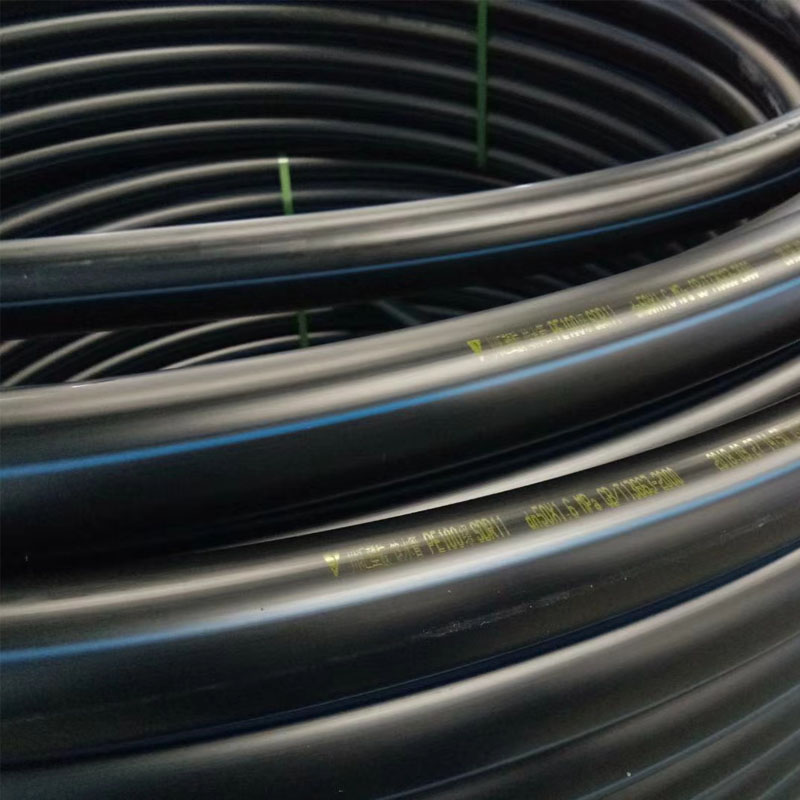
PPR pipe production relies heavily on polypropylene random copolymer resin, derived from propylene monomer polymerization. The 'random' designation signifies the random distribution of comonomers (typically ethylene) within the polymer chain, which disrupts crystallinity and imparts enhanced flexibility and impact resistance compared to homopolymers. Key raw material properties include melt flow index (MFI), influencing processability; density, impacting strength and rigidity; and molecular weight distribution, affecting long-term creep performance. Manufacturing typically involves extrusion. Resin is fed into a hopper, plasticized via a screw extruder (temperature zones ranging from 180°C to 240°C are critical), and then formed into the desired pipe dimensions using a die. Precise temperature control within the extruder is paramount to prevent degradation and ensure homogenous melt viscosity. Cooling is achieved via a water bath, maintaining dimensional stability. Subsequent processes include cutting to length, bell-end forming (for socket fusion fittings), and quality control. Critical parameters monitored during manufacturing include extrusion temperature profiles, cooling water temperature, haul-off speed (dictating wall thickness uniformity), and die pressure. Maintaining consistent material composition and strict adherence to processing parameters are crucial to prevent defects like ovality, inconsistent wall thickness, and stress cracking. The quality of the welding process is dependent on precise control of both the pipe and fitting heating plate temperature and the duration of heating and joining.
Performance & Engineering
PPR pipe performance is fundamentally governed by the mechanical and thermal properties of polypropylene. Force analysis under internal pressure considers hoop stress (σ = PD/2t, where P=pressure, D=diameter, t=wall thickness) and longitudinal stress. Adequate wall thickness is crucial to withstand hydrostatic pressure without yielding or bursting. Environmental resistance is excellent against most common chemicals, but prolonged exposure to strong oxidizing agents (e.g., concentrated nitric acid) can cause degradation. UV resistance is limited; therefore, outdoor applications necessitate UV stabilization additives or protective coatings. Compliance requirements vary by region but generally include standards addressing material composition, hydrostatic pressure testing (typically 24 hours at 1.5x the working pressure), and temperature resistance. Functional implementation demands careful consideration of thermal expansion. PPR exhibits a significant coefficient of thermal expansion (approximately 0.15 mm/m·°C), requiring expansion loops or flexible connectors in long runs to prevent stress buildup and potential joint failure. Furthermore, appropriate support systems are essential to prevent sagging and maintain alignment, particularly in vertical runs. The selection of the correct fitting type (socket fusion, butt fusion, electrofusion) is critical to ensure a leak-proof and structurally sound connection, accounting for pipe diameter, pressure rating, and fluid temperature. Creep rupture, the time-dependent deformation under constant stress, is a key long-term failure mechanism at elevated temperatures, demanding careful material selection and operating conditions.
Technical Specifications
| Parameter | PN10 (SDR6) | PN16 (SDR5) | PN20 (SDR4) | Material Standard |
|---|---|---|---|---|
| Nominal Diameter (mm) | 20-160 | 20-125 | 20-63 | ISO 15876-1 |
| Wall Thickness (mm) | 2.0-6.0 | 2.3-7.3 | 3.7-10.5 | Dependent on Diameter |
| Hydrostatic Pressure (bar) | 10 | 16 | 20 | 24hr test at 1.5x |
| Maximum Operating Temperature (°C) | 70 | 70 | 70 | Short-term to 95°C |
| Tensile Strength (MPa) | >20 | >20 | >20 | ASTM D638 |
| Elongation at Break (%) | >300 | >300 | >300 | ASTM D638 |
Failure Mode & Maintenance
Common failure modes in PPR piping include: 1) Fatigue Cracking: Caused by repeated pressure cycles and thermal stress, often initiating at weld points or areas of stress concentration (e.g., sharp bends). 2) Creep Rupture: Time-dependent deformation and eventual failure at elevated temperatures due to the viscoelastic nature of polypropylene. 3) Delamination: Separation of layers within the pipe wall, typically resulting from insufficient material bonding during extrusion or inadequate weld fusion. 4) Oxidation: Degradation of the polymer due to exposure to oxygen, particularly at high temperatures, leading to embrittlement and cracking. 5) Stress Cracking: Initiated by tensile stress in the presence of corrosive substances. 6) Joint Failure: Leakage or separation at welded joints due to improper welding parameters (temperature, pressure, dwell time) or contamination of the welding surfaces. Maintenance should focus on regular visual inspections for leaks, cracks, or deformation. For minor leaks at joints, re-welding may be possible, but complete pipe replacement is often recommended for significant damage. Preventative measures include proper pipe support to minimize stress, avoiding excessive operating temperatures, and ensuring consistent water quality to prevent corrosion. Periodic pressure testing can identify potential weaknesses before catastrophic failure occurs. It is imperative that any welding is performed by certified personnel using calibrated equipment.
Industry FAQ
Q: What is the primary advantage of PPR piping over traditional copper piping?
A: PPR’s primary advantages are its significantly lower material cost, ease of installation via heat fusion welding (reducing labor costs), and inherent corrosion resistance, eliminating the risk of pitting and leaching associated with copper. PPR also offers better thermal insulation properties, reducing heat loss in hot water systems.
Q: What temperature limitations should be considered when using PPR piping?
A: While PPR can withstand short-term temperature spikes up to 95°C, continuous operating temperatures should not exceed 70°C to prevent creep rupture and long-term degradation of the material. Exceeding these limits can compromise the pipe’s structural integrity and lead to premature failure.
Q: What is the impact of water quality on the longevity of a PPR piping system?
A: While PPR is resistant to many chemicals, highly corrosive water (low pH, high chloride content) can accelerate degradation, particularly at weld points. Water treatment or the use of corrosion inhibitors may be necessary in aggressive water environments to extend the system’s lifespan.
Q: How do I ensure a proper heat fusion weld with PPR piping?
A: Proper heat fusion welding requires a calibrated welding tool, clean and dry pipe and fitting surfaces, correct heating temperature and pressure settings (specific to pipe diameter and SDR), and adequate dwell time. The weld should be visually inspected for a uniform bead and complete fusion of the materials. Improper welding is a common cause of joint failure.
Q: What standards govern the quality and performance of PPR piping systems?
A: Key standards include ISO 15876-1 (specifies requirements for materials, components, and systems), ASTM D638 (tensile properties), and regional standards such as DIN 19569 (Germany) and EN ISO 15876 (Europe). Compliance with these standards ensures the pipe meets minimum performance and safety requirements.
Conclusion
PPR piping systems offer a compelling alternative to traditional materials for a wide range of applications, driven by their cost-effectiveness, ease of installation, and corrosion resistance. However, realizing these benefits necessitates a thorough understanding of the material’s properties, manufacturing processes, and potential failure modes. Careful consideration of operating temperatures, water quality, and proper installation techniques, including adherence to relevant industry standards, is paramount to ensuring long-term reliability and preventing premature system failure.
Future advancements in PPR technology are focused on enhancing creep resistance through the development of new copolymer formulations and incorporating advanced stabilization additives. Furthermore, improvements in welding technologies and quality control procedures are expected to further reduce the incidence of joint failures. Continued research and development, coupled with stringent adherence to established standards, will solidify PPR piping’s position as a leading fluid conveyance solution.
-
DN25 HDPE Compression Fitting-HORON INTERNATIONAL|Reliable Irrigation Solutions
NewsFeb.11,2026
-
discount hdpe pipe size chart pdf Performance Analysis
News2026-06-18
-
discount water supply line under sink Performance Analysis
News2026-06-18
-
discount ppr pipe 1 2 price Performance Analysis
News2026-06-18
-
discount ppr pipe 3 4 price Performance Analysis
News2026-06-18
-
discount grey pvc pipe Material Performance
News2026-06-18
-
discount ppr 3 4 price Performance Analysis
News2026-06-17
-
discount hdpe pipe connectors Material Performance
News2026-06-17
-
discount submersible column pipe Performance Analysis
News2026-06-17
-
discount ppr flexible pipe Performance Analysis
News2026-06-17
-
discount column pipe for submersible pump Performance Analysis
News2026-06-17
-
china flexible pvc tubing Performance Analysis
News2026-06-16
-
china water pipe kitchen sink Material Performance
News2026-06-16
-
china upvc column pipes for submersible pumps Performance Analysis
News2026-06-16
-
china 36 hdpe corrugated pipe Manufacturing Analysis
News2026-06-16
-
china kitchen sink water pipe Performance Analysis
News2026-06-16