

Feb . 11, 2026 00:01 Back to list
hdpe pipe suppliers manufacturer Material Performance Analysis
Introduction
High-Density Polyethylene (HDPE) pipe represents a significant advancement in fluid and gas conveyance technology. As a globally utilized solution, HDPE piping systems are integral to infrastructure projects spanning municipal water distribution, gas transmission, industrial processing, and agricultural irrigation. This guide provides an in-depth technical overview for procurement managers, engineers, and industry professionals involved in the specification, installation, and maintenance of HDPE pipes. HDPE’s position in the industry chain is characterized by its cost-effectiveness, durability, and versatility, directly challenging traditional materials like ductile iron, steel, and PVC in numerous applications. Core performance characteristics of HDPE pipe include its exceptional chemical resistance, high impact strength even at low temperatures, leak-free joints achieved through heat fusion welding, and long-term hydrostatic strength. The primary industry pain point revolves around ensuring consistent material quality, proper installation techniques to maintain long-term performance, and a thorough understanding of pressure derating factors related to temperature and sustained pressure.
Material Science & Manufacturing
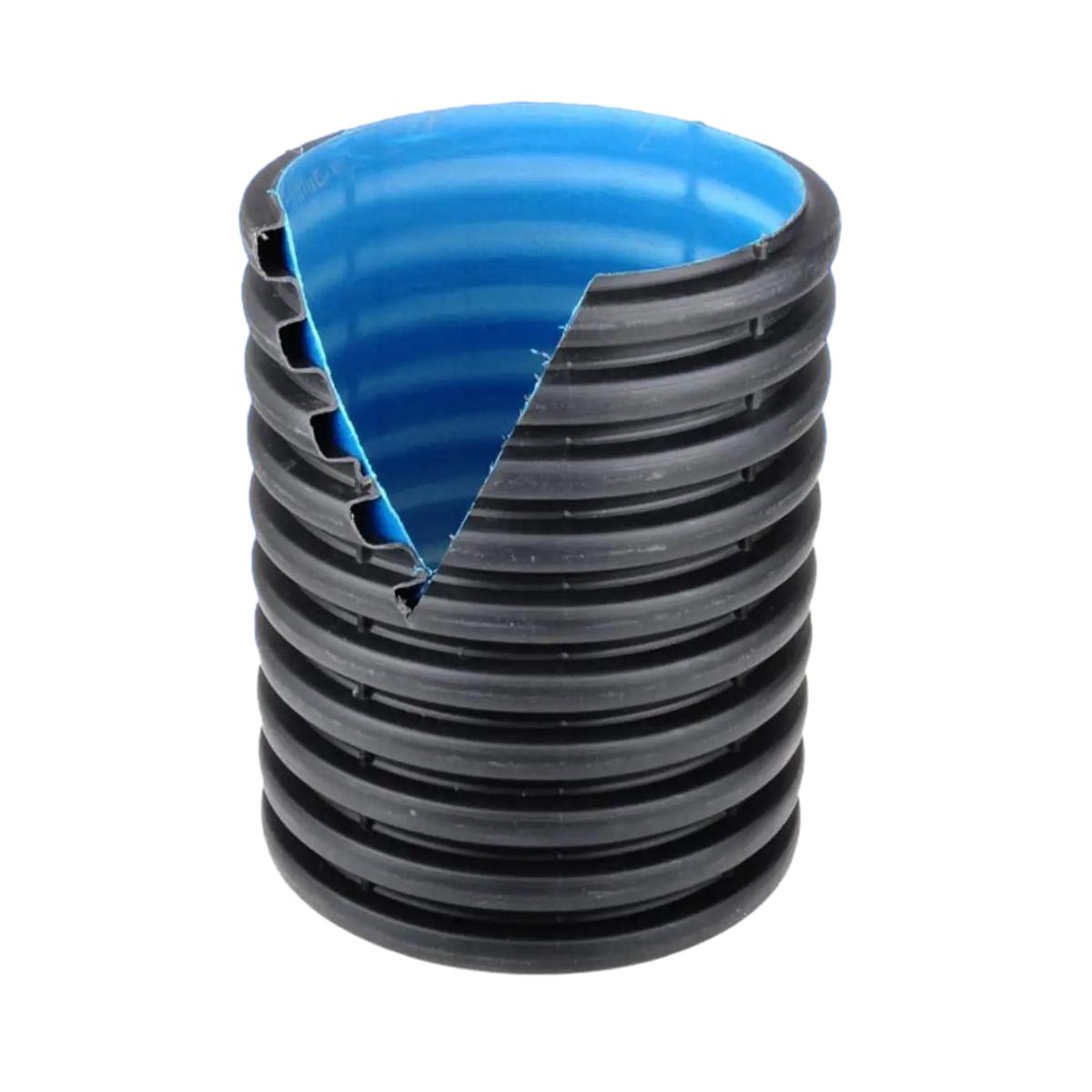
HDPE pipes are manufactured from polyethylene resins, typically utilizing high-density polyethylene grades conforming to PE3408, PE4710, or PE100 standards (ISO/EN standards). The base resin’s physical and chemical properties are crucial; molecular weight distribution, density, and comonomer content significantly impact pipe performance. HDPE’s semi-crystalline structure grants it a high strength-to-density ratio. Raw material selection focuses on ensuring excellent environmental stress crack resistance (ESCR) and slow crack growth resistance (SCRG). Manufacturing processes primarily involve extrusion. The process begins with polyethylene resin pellets being fed into an extruder, where they are heated and melted. This molten plastic is then forced through a die, shaping it into a continuous pipe. Key parameters during extrusion include temperature profiles (barrel and die), screw speed, and haul-off speed. Precise control of these parameters is essential to achieve consistent wall thickness, diameter, and surface finish. Cooling is achieved through water baths, followed by coiling or cutting to length. Quality control is paramount, utilizing non-destructive testing methods like ultrasonic thickness gauging and hydrostatic testing to verify dimensional accuracy and pressure integrity. The addition of carbon black provides UV resistance and protects against degradation from sunlight exposure, a critical consideration for above-ground applications. Pipe dimensions are controlled according to standards such as ASTM D3350, ensuring interchangeability and system compatibility. Furthermore, the addition of antioxidants and stabilizers enhances the long-term durability of the HDPE pipe, mitigating thermal and oxidative degradation.
Performance & Engineering
The performance of HDPE pipe is governed by a combination of material properties and engineering design considerations. Force analysis, particularly hoop stress analysis, is critical for determining pipe wall thickness requirements based on operating pressure, internal diameter, and design factor. HDPE exhibits ductile behavior, meaning it yields significantly before fracturing, providing a degree of inherent safety. However, sustained pressure can lead to creep, a time-dependent deformation that must be accounted for in design calculations. Environmental resistance is a key performance attribute. HDPE is virtually unaffected by most chemicals commonly encountered in industrial and municipal applications, including acids, bases, and solvents. However, exposure to strong oxidizing agents can cause degradation. Temperature significantly impacts HDPE's performance. As temperature increases, the hydrostatic strength decreases, requiring pressure derating factors to be applied. Installation techniques, particularly heat fusion welding (butt fusion, socket fusion, electrofusion), are vital for achieving leak-free joints and maintaining the integrity of the piping system. Proper welding procedures, including surface preparation, temperature control, and fusion time, are essential to prevent weld defects. Compliance requirements vary by region and application, necessitating adherence to relevant standards such as AWWA C906 for water distribution and ASTM F412 for gas transmission. Long-term performance is assessed through accelerated aging tests, simulating years of service life to predict degradation rates and ensure the pipe meets its intended design life. The use of surge protective devices is also recommended to mitigate the effects of water hammer, a transient pressure surge that can damage piping systems.
Technical Specifications
| Parameter | Units | PE3408 | PE4710 |
|---|---|---|---|
| Minimum Required Strength (MRS) | MPa | 8.0 | 10.0 |
| Hydrostatic Design Basis (HDB) | MPa | 5.0 | 6.3 |
| Density | kg/m³ | 930 - 950 | 940 - 960 |
| Oxidation Induction Time (OIT) | Minutes | >60 | >120 |
| Environmental Stress Crack Resistance (ESCR) | Hours to Failure | >1000 | >2000 |
| Slow Crack Growth Resistance (SCRG) | mm/year | <0.5 | <0.3 |
Failure Mode & Maintenance
HDPE pipe, while highly durable, is susceptible to specific failure modes. Slow Crack Growth (SCG) is a common issue, initiated by tensile stresses and exacerbated by aggressive environments. This manifests as fine cracks propagating slowly through the pipe wall. Third-party damage during installation or excavation is another frequent cause of failure, resulting in punctures or crushing. Fatigue cracking can occur in systems subject to cyclic pressure fluctuations, particularly near joints. Oxidation, though mitigated by carbon black, can lead to embrittlement and cracking over extended periods of UV exposure. Joint failures, often stemming from improper welding procedures, present as leaks at the fusion points. Maintenance involves regular visual inspections for signs of cracking, deformation, or damage. Leak detection surveys, utilizing acoustic methods, can identify hidden leaks. For minor SCG cracks, localized repairs using heat fusion welding may be feasible. However, extensive cracking necessitates pipe replacement. Preventative maintenance includes ensuring proper bedding and backfill materials to provide adequate support and protect the pipe from external loads. Avoiding the use of incompatible solvents or chemicals in the conveyed fluid is crucial. Furthermore, periodic pressure testing helps to verify the integrity of the system and identify potential weaknesses before they lead to catastrophic failure. Proper corrosion prevention is not typically required for HDPE, but protection of metallic fittings is necessary. Regular cleaning can prevent buildup of internal debris, which can contribute to localized stress concentrations and erosion.
Industry FAQ
Q: What is the impact of temperature on the pressure rating of HDPE pipe?
A: As temperature increases, the hydrostatic strength of HDPE decreases. This necessitates the application of pressure derating factors as specified in standards like ASTM D3350. Higher operating temperatures require lower allowable operating pressures to maintain the same safety factor.
Q: What welding method is most suitable for large diameter HDPE pipe?
A: Butt fusion welding is generally preferred for large diameter HDPE pipe (typically >6 inches) due to its efficiency, strength, and ability to create consistent, high-quality welds. Electrofusion welding is often used for smaller diameter fittings and complex geometries.
Q: How can I prevent slow crack growth (SCG) in HDPE piping systems?
A: Preventing SCG involves several factors: selecting appropriate PE material grades with high ESCR and SCRG ratings, minimizing tensile stresses during installation and operation, avoiding exposure to aggressive chemicals, and ensuring proper bedding and backfill support. Stress relieving techniques may also be employed.
Q: What are the typical installation tolerances for HDPE pipe alignment and grade?
A: Typical installation tolerances are outlined in industry standards and project specifications. Generally, alignment tolerances are within 1-2% of the pipe length, and grade tolerances are within +/- 25mm (1 inch). Precise alignment and grading are critical for ensuring proper drainage and preventing stress concentrations.
Q: What methods are used to verify the integrity of HDPE pipe joints after welding?
A: Non-destructive testing methods are commonly employed, including visual inspection for weld bead quality, ultrasonic testing to detect weld defects, and hydrostatic testing to verify the joint's ability to withstand pressure. Documentation of welding parameters and inspection results is essential.
Conclusion
HDPE pipe represents a robust and versatile solution for a wide range of fluid and gas conveyance applications. Its inherent material properties, coupled with proper installation and maintenance practices, ensure long-term reliability and cost-effectiveness. Understanding the nuances of material science, manufacturing processes, and performance characteristics is crucial for successful project implementation.
As infrastructure demands evolve, the adoption of HDPE piping systems is expected to continue growing. Ongoing advancements in material technology and welding techniques will further enhance the performance and durability of these systems, solidifying their position as a leading choice in the industry. Continued adherence to relevant international standards and best practices is essential to maximize the benefits of HDPE pipe and minimize the risk of failure.
-
DN25 HDPE Compression Fitting-HORON INTERNATIONAL|Reliable Irrigation Solutions
NewsFeb.11,2026
-
discount hdpe pipe size chart pdf Performance Analysis
News2026-06-18
-
discount water supply line under sink Performance Analysis
News2026-06-18
-
discount ppr pipe 1 2 price Performance Analysis
News2026-06-18
-
discount ppr pipe 3 4 price Performance Analysis
News2026-06-18
-
discount grey pvc pipe Material Performance
News2026-06-18
-
discount ppr 3 4 price Performance Analysis
News2026-06-17
-
discount hdpe pipe connectors Material Performance
News2026-06-17
-
discount submersible column pipe Performance Analysis
News2026-06-17
-
discount ppr flexible pipe Performance Analysis
News2026-06-17
-
discount column pipe for submersible pump Performance Analysis
News2026-06-17
-
china flexible pvc tubing Performance Analysis
News2026-06-16
-
china water pipe kitchen sink Material Performance
News2026-06-16
-
china upvc column pipes for submersible pumps Performance Analysis
News2026-06-16
-
china 36 hdpe corrugated pipe Manufacturing Analysis
News2026-06-16
-
china kitchen sink water pipe Performance Analysis
News2026-06-16