

Feb . 11, 2026 00:01 Back to list
china 1 2 ppr pipe Technical Analysis
Introduction
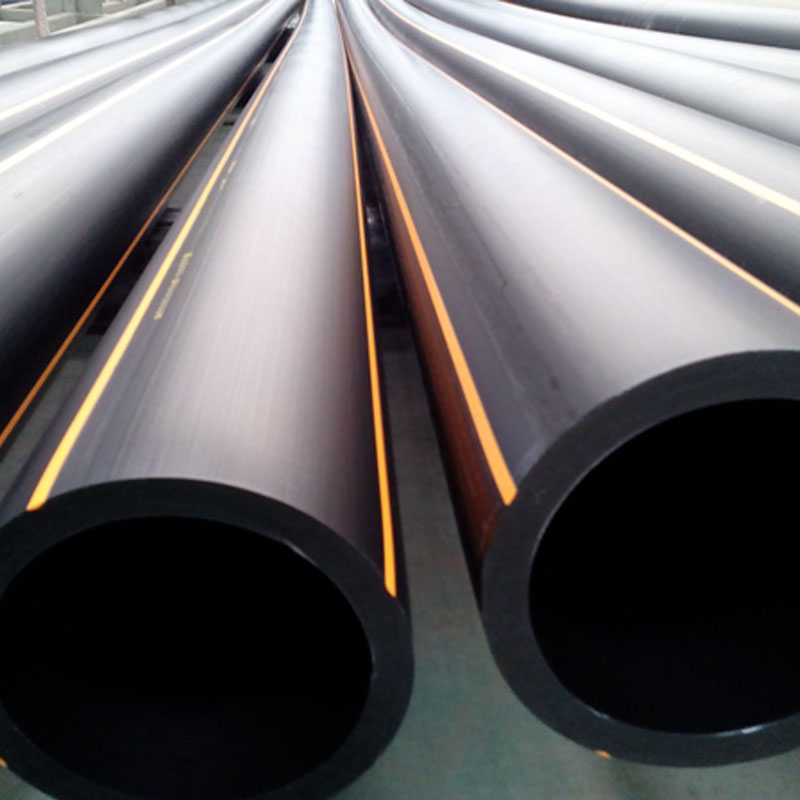
Polypropylene Random (PPR) pipe, specifically the 1/2 inch (DN15) diameter variant manufactured in China, represents a significant component in modern plumbing and fluid conveyance systems. PPR is a thermoplastic produced through the polymerization of propylene monomer, exhibiting a unique balance of mechanical strength, thermal stability, and chemical resistance. Its position within the industry chain is as a direct replacement for traditional metallic piping systems (copper, galvanized steel) in non-pressure and low-pressure applications, notably for hot and cold potable water distribution, heating systems, and industrial fluid handling where corrosion is a concern. Core performance characteristics include a high flow capacity due to its smooth inner surface, resistance to scaling and bacterial growth, and relatively simple installation via heat fusion welding. This guide provides a comprehensive technical analysis of china 1/2 PPR pipe, covering material science, manufacturing processes, performance parameters, failure modes, and relevant industry standards.
Material Science & Manufacturing
The base material for 1/2 PPR pipe is polypropylene random copolymer. Polypropylene homopolymer offers higher tensile strength but lacks the impact resistance required for piping applications. Random copolymerization introduces ethylene monomers into the polypropylene chain, disrupting crystallinity and enhancing impact strength, particularly at lower temperatures. Raw material specifications typically require a Melt Flow Rate (MFR) between 0.3 and 0.8 g/10min (measured according to ISO 1133) to ensure adequate processability during extrusion. The manufacturing process generally involves several stages: raw material blending (polypropylene, stabilizers, colorants), extrusion (using a single-screw extruder with a die specifically designed for pipe production), cooling (water bath or air cooling), printing (marking the pipe with manufacturer information and specifications), cutting (to required lengths), and quality control. Key parameter control during extrusion includes maintaining consistent melt temperature (190-230°C), die pressure, and cooling rate. Insufficient cooling can lead to dimensional instability, while excessive cooling can cause material degradation. Stabilizers (typically antioxidants and UV stabilizers) are crucial to prevent thermal and oxidative degradation during processing and service life. Pipe diameters are controlled by the precision of the extrusion die and subsequent calibration techniques. The pipe’s hydrostatic pressure rating is determined by a combination of wall thickness and material’s minimum yield strength (MRS).
Performance & Engineering
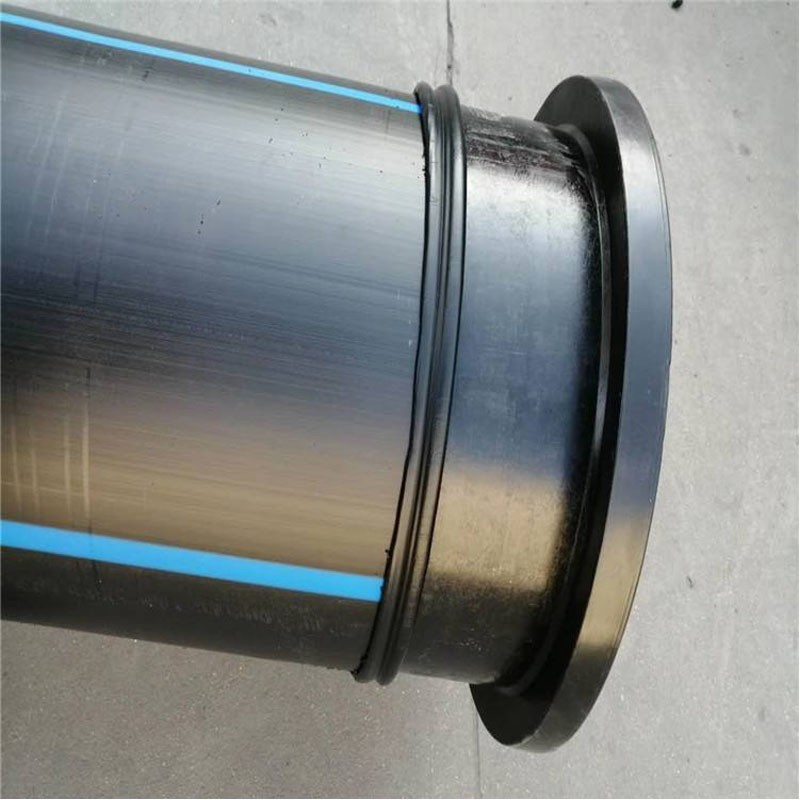
Performance of 1/2 PPR pipe is governed by several engineering principles. Hydrostatic pressure testing (according to ISO 1167) is critical to verify the pipe's ability to withstand internal pressure without failure. The long-term hydrostatic strength (LTHS) is a key parameter, predicting the pipe's service life under sustained pressure at elevated temperatures. Creep rupture, a time-dependent failure mechanism, is a primary concern. PPR’s resistance to chemical attack is generally excellent, withstanding most common household chemicals and disinfectants. However, prolonged exposure to strong oxidizing agents should be avoided. Thermal expansion and contraction are significant considerations; PPR has a coefficient of thermal expansion approximately 10 times that of steel. This necessitates the use of expansion loops or flexible connectors to accommodate temperature fluctuations and prevent stress cracking at joints. The smooth inner surface minimizes friction losses, resulting in lower pumping energy requirements. Joints are typically formed using heat fusion welding (butt fusion, socket fusion, electrofusion) which creates a homogenous weld, stronger than the base material itself, ensuring leak-free connections. The tensile strength of the PPR material directly impacts the pipe’s ability to withstand external loads and stresses. Compliance requirements dictate adherence to local building codes and potable water regulations, ensuring water quality is not compromised.
Technical Specifications
| Parameter | Unit | Typical Value (1/2 PPR, China Manufactured) | Test Standard |
|---|---|---|---|
| Nominal Diameter | mm | 15 (DN15) | ISO 1452 |
| Outer Diameter | mm | 21.5 | GB/T 5310.3 |
| Wall Thickness | mm | 2.3 – 3.2 | GB/T 5310.3 |
| Minimum Required Strength (MRS) | MPa | 5.0 | ISO 1167 |
| Hydrostatic Pressure (20°C, 100 hrs) | MPa | 1.25 | ISO 1167 |
| Burst Pressure (20°C) | MPa | 4.0 | ISO 1167 |
| Melt Flow Rate (MFR) | g/10min | 0.3 – 0.8 | ISO 1133 |
Failure Mode & Maintenance
Common failure modes in 1/2 PPR pipe include slow crack growth (SCG) due to sustained tensile stress and exposure to aggressive chemicals, particularly chlorinated water over extended periods. Fatigue cracking can occur at joints subjected to repeated mechanical stress or vibration. Thermal stress cracking can result from inadequate accommodation of thermal expansion and contraction. Oxidation can degrade the material over time, especially at elevated temperatures. Delamination, though less common, can occur due to insufficient fusion during welding or the presence of contaminants. Preventative maintenance includes regular visual inspections for cracks, leaks, and discoloration. Proper support and anchoring of the pipe are critical to minimize stress. Avoid exposing the pipe to direct sunlight for prolonged periods to mitigate UV degradation. Water quality should be monitored and adjusted to minimize corrosive effects. If repairs are necessary, only qualified personnel should perform heat fusion welding. For minor leaks, patching compounds specifically designed for PPR may be used as a temporary fix, but complete replacement of the damaged section is the preferred long-term solution. Periodic pressure testing can identify potential weaknesses before catastrophic failure occurs. Avoid using abrasive cleaning agents or solvents that can damage the material.
Industry FAQ
Q: What is the impact of water hammer on PPR pipe systems?
A: Water hammer, the pressure surge caused by sudden changes in flow velocity, can significantly stress PPR pipe and joints. The relatively low elastic modulus of PPR compared to metals makes it more susceptible to damage from these pressure waves. Mitigation strategies include installing water hammer arrestors, using slow-closing valves, and properly securing the piping to absorb shock. Sustained water hammer can lead to fatigue cracking at weld points.
Q: How does the quality of the welding equipment affect the long-term performance of PPR joints?
A: The quality and calibration of heat fusion welding equipment are paramount. Incorrect temperature settings, insufficient heating time, or improper pressure application during butt or socket fusion can result in incomplete fusion, creating weak points susceptible to failure. Regular calibration of the welding equipment and adherence to manufacturer’s recommended welding parameters are essential.
Q: Are there specific additives used in PPR compounds to enhance chlorine resistance?
A: While standard PPR exhibits good resistance to chlorine, prolonged exposure can lead to degradation. Some manufacturers incorporate chlorine stabilizers (e.g., hydrotalcites) into the PPR compound to enhance chlorine resistance. However, the effectiveness of these additives varies, and it's still recommended to minimize chlorine concentrations and consider alternative piping materials for heavily chlorinated water environments.
Q: What is the allowable temperature range for continuous operation of 1/2 PPR pipe?
A: The maximum continuous operating temperature for typical 1/2 PPR pipe is 70°C (158°F). Exceeding this temperature can lead to softening, creep deformation, and reduced pressure rating. For short-term temperature excursions (e.g., hot water flushing), temperatures up to 95°C (203°F) may be permissible, but this should be avoided for prolonged periods. Always consult the manufacturer's specifications for specific temperature limitations.
Q: How does UV exposure affect the lifespan of outdoor PPR piping installations?
A: UV radiation degrades polypropylene, leading to embrittlement and reduced mechanical properties. Outdoor PPR piping installations should be protected from direct sunlight using UV-resistant coatings, conduit, or burial. PPR compounds formulated with UV stabilizers offer improved resistance, but even these require some form of protection for long-term outdoor service.
Conclusion
China-manufactured 1/2 PPR pipe represents a cost-effective and reliable solution for a wide range of fluid conveyance applications. Its inherent properties, including corrosion resistance, smooth inner surface, and ease of installation, contribute to its widespread adoption. However, understanding the material’s limitations, particularly regarding thermal expansion, chemical compatibility, and susceptibility to UV degradation, is crucial for ensuring long-term performance and preventing premature failure. Proper installation techniques, adherence to relevant industry standards, and preventative maintenance practices are essential for maximizing the service life of PPR piping systems.
Future advancements in PPR technology may focus on developing compounds with enhanced chlorine resistance, improved UV stability, and higher operating temperature capabilities. Furthermore, the integration of smart sensors within PPR pipes for leak detection and performance monitoring could revolutionize pipeline management. Continued research and development, coupled with stringent quality control measures, will solidify PPR’s position as a key material in the plumbing and industrial fluid handling sectors.
-
DN25 HDPE Compression Fitting-HORON INTERNATIONAL|Reliable Irrigation Solutions
NewsFeb.11,2026
-
discount hdpe pipe size chart pdf Performance Analysis
News2026-06-18
-
discount water supply line under sink Performance Analysis
News2026-06-18
-
discount ppr pipe 1 2 price Performance Analysis
News2026-06-18
-
discount ppr pipe 3 4 price Performance Analysis
News2026-06-18
-
discount grey pvc pipe Material Performance
News2026-06-18
-
discount ppr 3 4 price Performance Analysis
News2026-06-17
-
discount hdpe pipe connectors Material Performance
News2026-06-17
-
discount submersible column pipe Performance Analysis
News2026-06-17
-
discount ppr flexible pipe Performance Analysis
News2026-06-17
-
discount column pipe for submersible pump Performance Analysis
News2026-06-17
-
china flexible pvc tubing Performance Analysis
News2026-06-16
-
china water pipe kitchen sink Material Performance
News2026-06-16
-
china upvc column pipes for submersible pumps Performance Analysis
News2026-06-16
-
china 36 hdpe corrugated pipe Manufacturing Analysis
News2026-06-16
-
china kitchen sink water pipe Performance Analysis
News2026-06-16