

Feb . 11, 2026 00:01 Back to list
china 25mm pvc pipe Technical Analysis
Introduction
Polyvinyl Chloride (PVC) pipe, specifically the 25mm diameter variant commonly manufactured in China, represents a significant component in fluid conveyance systems across numerous industries. Its position within the construction and infrastructure value chain is foundational, serving as a critical conduit for potable water, irrigation, drainage, sewage, and industrial chemical transport. This guide provides an in-depth technical analysis of 25mm PVC pipe, focusing on material composition, manufacturing processes, performance characteristics, potential failure modes, and relevant international standards. The core performance attributes of this pipe—chemical resistance, durability, cost-effectiveness, and ease of installation—have driven its widespread adoption. A key industry pain point is ensuring consistent quality and adherence to rigorous standards given variations in manufacturing practices and material sourcing. This document aims to address these concerns by detailing critical technical aspects for informed procurement and application.
Material Science & Manufacturing
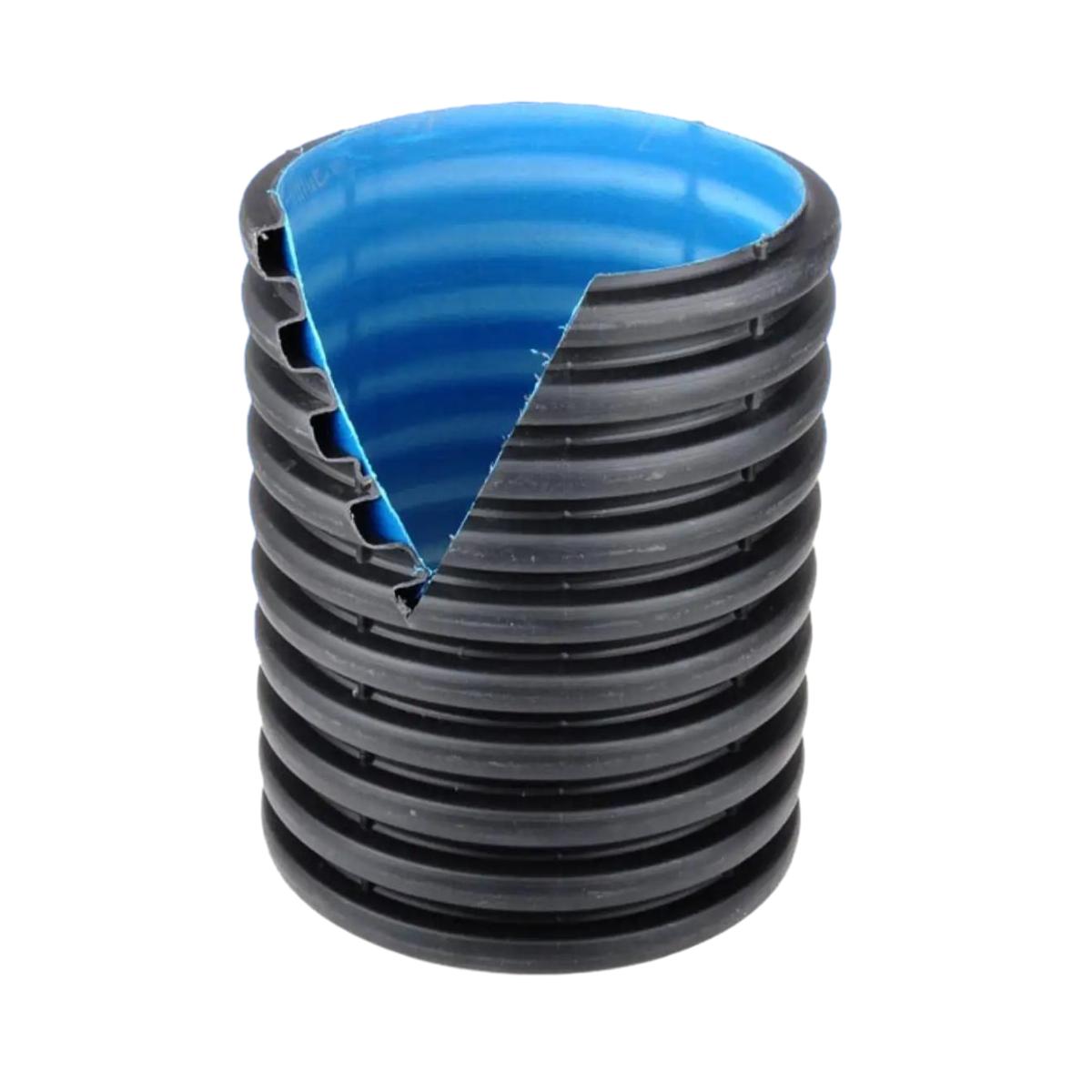
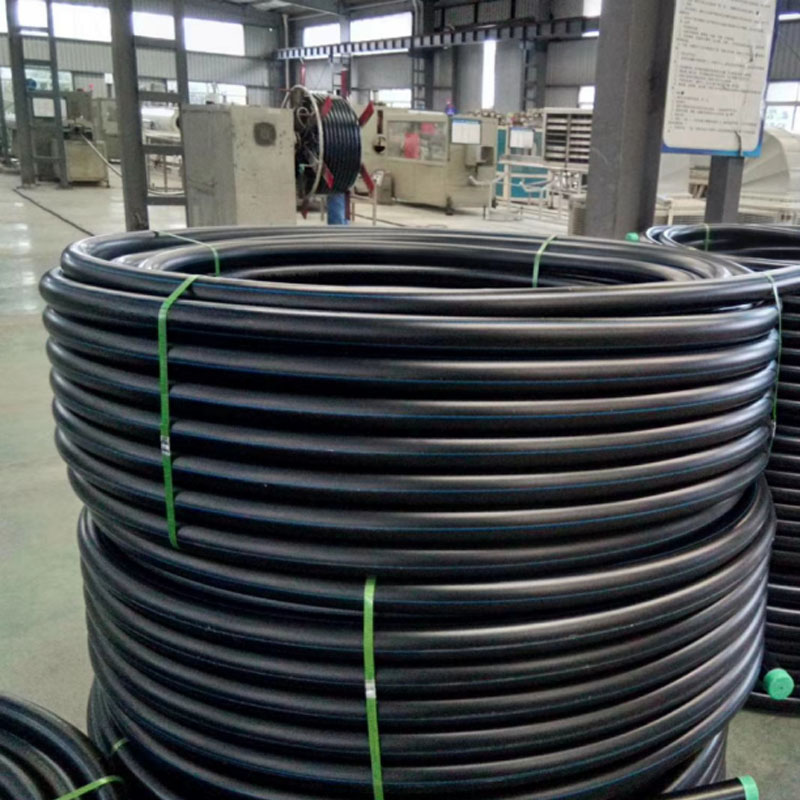
The primary raw material for 25mm PVC pipe is Polyvinyl Chloride, a thermoplastic polymer produced by the polymerization of vinyl chloride monomer (VCM). The PVC compound is rarely used in its pure form; it typically contains additives such as stabilizers (often lead-based or calcium-zinc based, though the latter is increasingly preferred due to environmental concerns), plasticizers (phthalates or alternatives like DINCH), lubricants, and impact modifiers (acrylics or MBS resins). The specific formulation dictates the pipe's rigidity, flexibility, and long-term performance. Manufacturing typically involves extrusion. PVC granules are fed into an extruder, where they are heated and melted. A screw conveyor forces the molten PVC through a die, shaping it into a continuous pipe. Critical parameters include die temperature (180-210°C), extrusion pressure (maintained consistently to ensure uniform wall thickness), and cooling rate (controlled via water baths to prevent warping). Post-extrusion, the pipe is cut to length, marked, and often subjected to hydrostatic testing to verify pressure integrity. The quality of the PVC resin, the precise ratio of additives, and meticulous control of the extrusion process are all crucial for achieving desired mechanical properties and preventing long-term degradation.
Performance & Engineering
The performance of 25mm PVC pipe is characterized by several key engineering parameters. Tensile strength, typically ranging from 50-70 MPa, determines the pipe's resistance to breaking under axial load. Impact strength (measured using Izod or Charpy tests) assesses its ability to withstand sudden impacts, particularly important during installation and operation. Long-Term Hydrostatic Strength (LTHS) is paramount; it defines the pipe’s ability to withstand sustained internal pressure over its intended service life (often 50+ years). LTHS is strongly influenced by temperature and the presence of chlorine in the transported fluid. The pipe's resistance to chemical attack is also critical. PVC exhibits good resistance to acids, alkalis, and many salts, but is susceptible to degradation by aromatic hydrocarbons and chlorinated solvents. Furthermore, PVC’s coefficient of thermal expansion (approximately 8 x 10^-5 /°C) must be considered during installation, particularly in applications with significant temperature fluctuations. Compliance with relevant pressure ratings (e.g., PN10, PN16) as defined by international standards is non-negotiable. Force analysis, including hoop stress calculations, is critical for determining appropriate wall thickness and ensuring structural integrity.
Technical Specifications
| Parameter | Units | Typical Value (China 25mm PVC Pipe) | Test Standard |
|---|---|---|---|
| Outer Diameter | mm | 25 | GB/T 10002.1 |
| Inner Diameter | mm | 21.5 - 22.5 | GB/T 10002.1 |
| Wall Thickness | mm | 1.8 - 2.0 | GB/T 10002.1 |
| Tensile Strength | MPa | 55 - 65 | GB/T 8804.1 |
| Impact Strength (Izod) | kJ/m² | 5 - 8 | GB/T 8804.2 |
| Hydrostatic Pressure (23°C) | MPa | 1.0 - 1.6 | GB/T 5836.1 |
Failure Mode & Maintenance
Common failure modes for 25mm PVC pipe include brittle fracture (often induced by impact damage or low temperatures), cracking due to sustained stress (particularly around fittings), and degradation caused by UV exposure. Long-term exposure to chlorine or other oxidizing agents can lead to chemical attack and embrittlement. ‘Crazing,’ the formation of micro-cracks on the surface, is indicative of stress cracking and can initiate complete failure. Soil settlement and ground movement can induce excessive stress on buried pipelines, resulting in longitudinal cracking or joint separation. Failure analysis often involves microscopic examination of fractured surfaces to determine the root cause. Maintenance primarily consists of visual inspection for cracks, leaks, or signs of degradation. Proper installation practices – including adequate bedding and backfill, and the use of appropriate fittings – are crucial for preventative maintenance. Joints should be regularly inspected for tightness. For systems exposed to UV radiation, protective coatings or burial are recommended. Regular pressure testing can identify subtle leaks before they escalate into major failures. If chemical attack is suspected, the pipe material should be assessed for chlorine content and replaced if necessary.
Industry FAQ
Q: What is the impact of temperature on the long-term performance of PVC pipe?
A: Elevated temperatures significantly reduce the Long-Term Hydrostatic Strength (LTHS) of PVC. As temperature increases, the material becomes more susceptible to creep and stress cracking. Therefore, de-rating factors are applied to pressure ratings at higher operating temperatures. Conversely, very low temperatures can increase brittleness, making the pipe more prone to fracture under impact.
Q: How does the choice of stabilizer affect the lifespan of the PVC pipe?
A: The type of stabilizer used dramatically impacts the long-term durability. Lead-based stabilizers were traditionally used but are being phased out due to environmental concerns. Calcium-zinc stabilizers are a more environmentally friendly alternative, but their performance can be more sensitive to processing conditions and require careful formulation. The quality and concentration of the stabilizer are critical for preventing degradation and maintaining mechanical properties.
Q: What are the key considerations when selecting fittings for 25mm PVC pipe?
A: Fittings should be made from compatible PVC compounds to prevent galvanic corrosion or dissimilar material degradation. Ensure the fitting pressure rating matches or exceeds the pipe's pressure rating. Proper solvent cementing is crucial; the correct primer and cement must be used, and the bonding surface must be clean and dry. The fitting design should minimize stress concentrations.
Q: What is the difference between Schedule 40 and Schedule 80 PVC pipe, and does it apply to 25mm sizes?
A: Schedule 40 and Schedule 80 refer to the wall thickness of the pipe, with Schedule 80 having a thicker wall. This translates to higher pressure ratings and greater impact resistance. While commonly used for larger diameter pipes, Schedule 80 in 25mm is less frequently specified, as Schedule 40 often provides sufficient strength for most applications. However, Schedule 80 can be used when higher pressure or mechanical protection is required.
Q: How does soil corrosivity affect the longevity of buried PVC pipes?
A: Highly corrosive soils can accelerate the degradation of PVC, particularly if they contain significant concentrations of sulfates or chlorides. While PVC itself is resistant to many chemicals, corrosive soil conditions can promote stress cracking and reduce the pipe's lifespan. Protective measures, such as using a protective coating or providing adequate bedding material, are recommended in corrosive environments.
Conclusion
China-manufactured 25mm PVC pipe is a ubiquitous and cost-effective solution for a diverse range of fluid conveyance applications. Its performance relies heavily on the interplay of material science – the PVC resin quality and additive package – and precise manufacturing control during extrusion. Understanding the pipe’s mechanical properties, chemical resistance, and potential failure modes is crucial for ensuring long-term reliability and preventing costly failures.
The continued evolution of PVC formulations, particularly the increasing adoption of calcium-zinc stabilizers, and adherence to stringent international standards are key to addressing industry pain points related to environmental impact and product consistency. Proper installation practices, regular maintenance, and informed material selection will maximize the service life and economic benefits of this essential infrastructure component.
-
DN25 HDPE Compression Fitting-HORON INTERNATIONAL|Reliable Irrigation Solutions
NewsFeb.11,2026
-
discount hdpe pipe size chart pdf Performance Analysis
News2026-06-18
-
discount water supply line under sink Performance Analysis
News2026-06-18
-
discount ppr pipe 1 2 price Performance Analysis
News2026-06-18
-
discount ppr pipe 3 4 price Performance Analysis
News2026-06-18
-
discount grey pvc pipe Material Performance
News2026-06-18
-
discount ppr 3 4 price Performance Analysis
News2026-06-17
-
discount hdpe pipe connectors Material Performance
News2026-06-17
-
discount submersible column pipe Performance Analysis
News2026-06-17
-
discount ppr flexible pipe Performance Analysis
News2026-06-17
-
discount column pipe for submersible pump Performance Analysis
News2026-06-17
-
china flexible pvc tubing Performance Analysis
News2026-06-16
-
china water pipe kitchen sink Material Performance
News2026-06-16
-
china upvc column pipes for submersible pumps Performance Analysis
News2026-06-16
-
china 36 hdpe corrugated pipe Manufacturing Analysis
News2026-06-16
-
china kitchen sink water pipe Performance Analysis
News2026-06-16