

Feb . 11, 2026 00:01 Back to list
china hdpe sewer pipe Performance Analysis
Introduction
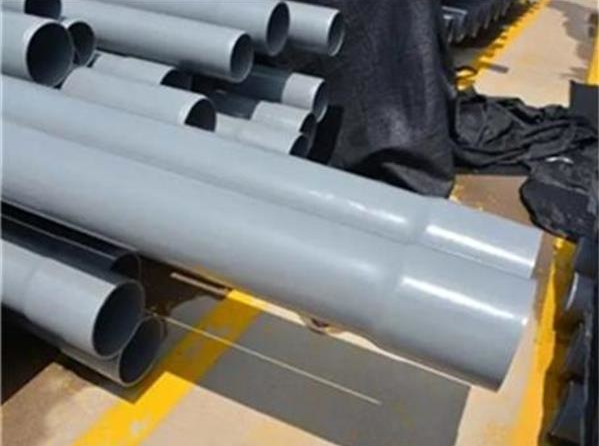
High-Density Polyethylene (HDPE) sewer pipe, manufactured in China, represents a significant advancement in gravity flow wastewater conveyance infrastructure. Positioned within the municipal water and wastewater management industry chain, it serves as a direct replacement for traditional materials like concrete, ductile iron, and PVC. HDPE sewer pipe offers a compelling combination of corrosion resistance, lightweight construction, and installation efficiency. Core performance characteristics include long-term durability, leak-proof joints (typically via heat fusion welding), and hydraulic capacity dictated by pipe diameter and wall thickness. The increasing adoption of HDPE is driven by lifecycle cost benefits stemming from reduced maintenance and extended service life compared to legacy piping systems. Addressing key industry pain points like infiltration/exfiltration, structural degradation due to corrosive environments, and challenging installation conditions, HDPE sewer pipe provides a robust and sustainable solution for modern sanitation needs.
Material Science & Manufacturing
HDPE sewer pipe is predominantly manufactured from high-density polyethylene resin, typically conforming to PE3408 or PE4710 standards. The raw material’s key physical properties include a density of 0.941 - 0.965 g/cm³, a tensile strength ranging from 20-35 MPa (depending on grade and molecular weight distribution), and a relatively low coefficient of friction. Chemical resistance is a crucial aspect; HDPE exhibits excellent resistance to a wide range of chemicals commonly found in wastewater, including acids, alkalis, and solvents. Manufacturing processes primarily involve extrusion. The process begins with polyethylene resin being fed into a single or double-screw extruder, where it is heated and melted. This molten polymer is then forced through a circular die to form a continuous pipe. Key parameters controlled during extrusion include melt temperature (typically 180-220°C), die pressure, and cooling rate. Subsequent processes often include belling (forming the joining end for socket fusion), marking (identifying pipe characteristics like size, pressure rating, and manufacturer), and quality control testing. Pipe stiffness, measured as a percentage of the pipe diameter deflection at a specified load, is a critical quality control metric. Proper cooling is vital to ensure dimensional stability and prevent warping. Furthermore, the quality of the PE resin, specifically its molecular weight distribution and degree of branching, significantly impacts the final pipe’s performance.
Performance & Engineering
The performance of HDPE sewer pipe is governed by several key engineering considerations. Structural integrity is evaluated through hydrostatic pressure testing and pipe burst testing, confirming the pipe’s ability to withstand internal pressures and external loads. Force analysis considers soil load, traffic load (where applicable), and hydrostatic pressure. HDPE’s flexibility allows for some degree of ground movement without compromising the integrity of the pipeline. Environmental resistance is paramount. HDPE is largely unaffected by ultraviolet (UV) degradation, although long-term exposure without UV stabilizers can lead to surface oxidation and embrittlement. Thermal expansion and contraction are also important; HDPE has a relatively high coefficient of thermal expansion, necessitating appropriate expansion joints or flexible connections in long pipeline runs. Compliance with industry standards, such as ASTM F895 and EN 13476, is essential to ensure acceptable performance levels. Hydraulic performance is dictated by the Manning's equation, considering pipe diameter, wall thickness (affecting roughness coefficient), and slope. Joint integrity is a critical aspect, typically achieved through heat fusion welding, creating a homogenous weld stronger than the base material. Long-term creep resistance, the tendency of the material to deform under sustained load, is also assessed to predict pipeline performance over its design life (typically 50+ years).
Technical Specifications
| Parameter | Unit | Typical Value (DN/ID 300mm, PN10) | Test Standard |
|---|---|---|---|
| Nominal Pipe Diameter (DN) | mm | 300 | ISO 2531 |
| Inside Diameter (ID) | mm | 290 | ASTM F895 |
| Outside Diameter (OD) | mm | 325.5 | ASTM F895 |
| Wall Thickness | mm | 17.75 | ASTM F895 |
| Nominal Pressure (PN) | bar | 10 | EN 13476 |
| Pipe Stiffness (SN) | N/m² | 5000 (SN8) | EN 13476 |
| Density | kg/m³ | 950 | ISO 1183 |
Failure Mode & Maintenance
HDPE sewer pipe, while highly durable, is susceptible to specific failure modes. Slow Crack Growth (SCG) is a common concern, initiated by sustained tensile stress and exacerbated by aggressive chemicals or environmental factors. This leads to brittle fracture over time. Fatigue cracking can occur due to repeated loading and unloading, particularly in areas subject to ground movement. Joint failure, though rare with proper heat fusion welding, can occur due to inadequate weld penetration or contamination during the welding process. Oxidation, resulting from long-term UV exposure without stabilizers, can lead to surface embrittlement and reduced impact resistance. Abrasion from entrained solids in the wastewater flow can gradually wear down the pipe’s inner wall. Maintenance typically involves periodic CCTV inspection to identify cracks, joint anomalies, or signs of SCG. Minor cracks can be repaired using specialized HDPE repair sleeves or patch materials. For significant damage, localized excavation and pipe replacement may be necessary. Preventative measures include ensuring proper backfill compaction to minimize stress on the pipe, selecting appropriate UV stabilizers for exposed sections, and implementing regular flow monitoring to detect potential issues like excessive solids content. Proper installation following established guidelines is critical to minimize the risk of premature failure.
Industry FAQ
Q: What are the advantages of HDPE sewer pipe over concrete pipe in corrosive environments?
A: Concrete is susceptible to acid attack and sulfate corrosion, leading to structural degradation over time. HDPE is virtually unaffected by these chemicals, offering a significantly longer service life in corrosive environments. This eliminates the need for costly repairs and replacements associated with concrete pipe, reducing lifecycle costs.
Q: How does HDPE pipe handle ground movement compared to rigid materials like ductile iron?
A: HDPE’s flexibility allows it to accommodate some degree of ground movement, such as settlement or seismic activity, without losing integrity. Ductile iron, being rigid, is more prone to cracking or joint separation under similar conditions. This reduces the risk of pipeline failure and service interruption.
Q: What quality control measures are typically employed during HDPE sewer pipe manufacturing?
A: Key quality control measures include raw material testing, dimensional checks, hydrostatic pressure testing, impact resistance testing, and weldability testing. Manufacturers typically adhere to ISO 9001 quality management systems to ensure consistent product quality.
Q: What is the typical lifespan of a properly installed and maintained HDPE sewer pipe?
A: With proper installation and maintenance, HDPE sewer pipe is expected to have a service life exceeding 50 years, and often extending to 100 years. This is significantly longer than the lifespan of many traditional piping materials.
Q: What are the requirements for heat fusion welding of HDPE sewer pipe?
A: Heat fusion welding requires trained and certified technicians using properly calibrated equipment. Parameters like temperature, pressure, and dwell time must be precisely controlled to ensure a homogenous and structurally sound weld. Proper surface preparation and contamination control are also critical for weld quality.
Conclusion
China-manufactured HDPE sewer pipe represents a compelling solution for modern wastewater infrastructure, offering a robust combination of durability, corrosion resistance, and installation efficiency. The material’s inherent properties, coupled with advanced manufacturing processes and adherence to international standards, ensure long-term performance and reduced lifecycle costs. Addressing key industry pain points related to material degradation and challenging installation environments, HDPE provides a sustainable and reliable alternative to traditional piping systems.
The continued adoption of HDPE sewer pipe necessitates a thorough understanding of its material science, engineering principles, and potential failure modes. Proper installation practices, coupled with regular inspection and preventative maintenance, are crucial to maximizing its lifespan and ensuring the long-term integrity of wastewater conveyance systems. Further research and development in areas such as enhanced UV stabilizers and improved weld inspection techniques will continue to refine the performance and reliability of this essential infrastructure component.
-
DN25 HDPE Compression Fitting-HORON INTERNATIONAL|Reliable Irrigation Solutions
NewsFeb.11,2026
-
discount hdpe pipe size chart pdf Performance Analysis
News2026-06-18
-
discount water supply line under sink Performance Analysis
News2026-06-18
-
discount ppr pipe 1 2 price Performance Analysis
News2026-06-18
-
discount ppr pipe 3 4 price Performance Analysis
News2026-06-18
-
discount grey pvc pipe Material Performance
News2026-06-18
-
discount ppr 3 4 price Performance Analysis
News2026-06-17
-
discount hdpe pipe connectors Material Performance
News2026-06-17
-
discount submersible column pipe Performance Analysis
News2026-06-17
-
discount ppr flexible pipe Performance Analysis
News2026-06-17
-
discount column pipe for submersible pump Performance Analysis
News2026-06-17
-
china flexible pvc tubing Performance Analysis
News2026-06-16
-
china water pipe kitchen sink Material Performance
News2026-06-16
-
china upvc column pipes for submersible pumps Performance Analysis
News2026-06-16
-
china 36 hdpe corrugated pipe Manufacturing Analysis
News2026-06-16
-
china kitchen sink water pipe Performance Analysis
News2026-06-16