

Feb . 11, 2026 00:01 Back to list
china irrigation hdpe pipe Performance Analysis
Introduction
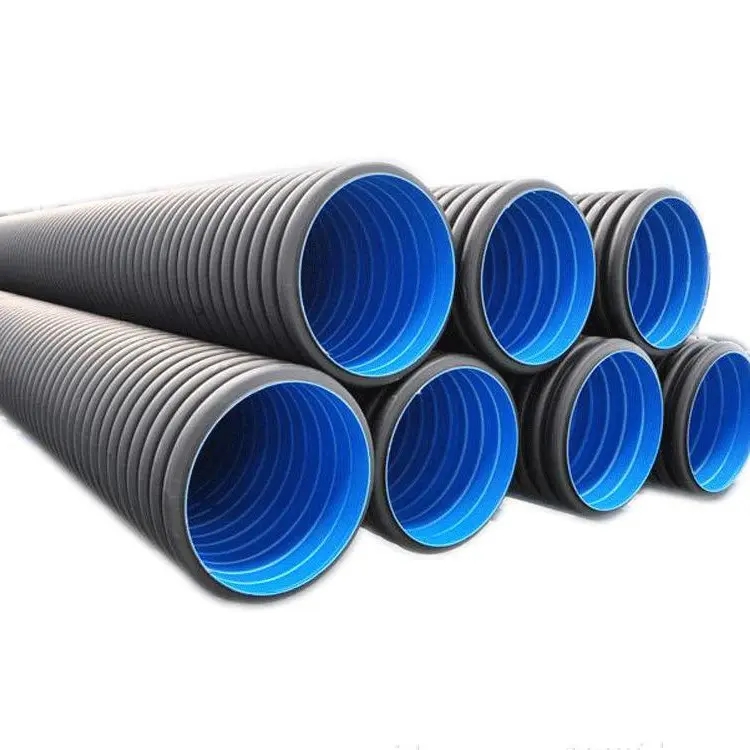
High-Density Polyethylene (HDPE) pipe for irrigation represents a significant advancement in agricultural water management. Positioned within the broader landscape of water conveyance systems – competing with materials like PVC, ductile iron, and concrete – HDPE differentiates itself through a combination of flexibility, durability, and cost-effectiveness. This guide provides an in-depth technical overview of HDPE pipe specifically used for irrigation purposes, covering material science, manufacturing processes, performance characteristics, potential failure modes, and relevant industry standards. The core performance of irrigation HDPE pipe centers around its ability to deliver water efficiently and reliably while resisting degradation from UV exposure, soil chemicals, and physical stress. A primary pain point in the agricultural sector is minimizing water loss due to pipe leakage or failure; HDPE addresses this through its inherent leak-tight joints and robust construction, contributing to improved water conservation and crop yields.
Material Science & Manufacturing
HDPE irrigation pipe is manufactured from high-density polyethylene resin, a thermoplastic polymer produced from the polymerization of ethylene. Key raw material properties impacting pipe performance include molecular weight distribution, density (typically 0.931 – 0.965 g/cm³), and melt flow index (MFI). Higher molecular weight and density contribute to improved strength and resistance to slow crack growth. Manufacturing typically employs extrusion processes. The polyethylene resin is fed into an extruder, melted, and forced through a die to form a continuous pipe. Parameter control during extrusion is critical, including maintaining precise temperature profiles to prevent thermal degradation of the polymer, controlling the die pressure to ensure uniform wall thickness, and managing the cooling rate to minimize residual stress. Common manufacturing standards followed include ASTM D3350 and ISO 4427. Post-extrusion, pipes undergo hydrostatic testing to verify pressure resistance and dimensional accuracy. The addition of UV stabilizers (typically carbon black, but also hindered amine light stabilizers – HALS) is paramount for irrigation applications, as prolonged sunlight exposure can cause chain scission and embrittlement. The level of carbon black pigmentation directly impacts UV resistance; higher concentrations offer greater protection but can affect the pipe’s color and aesthetic appearance. The pipe’s polyethylene resin should also be assessed for its PE100 classification which ensures a minimum required strength (MRS) of 10 MPa.
Performance & Engineering
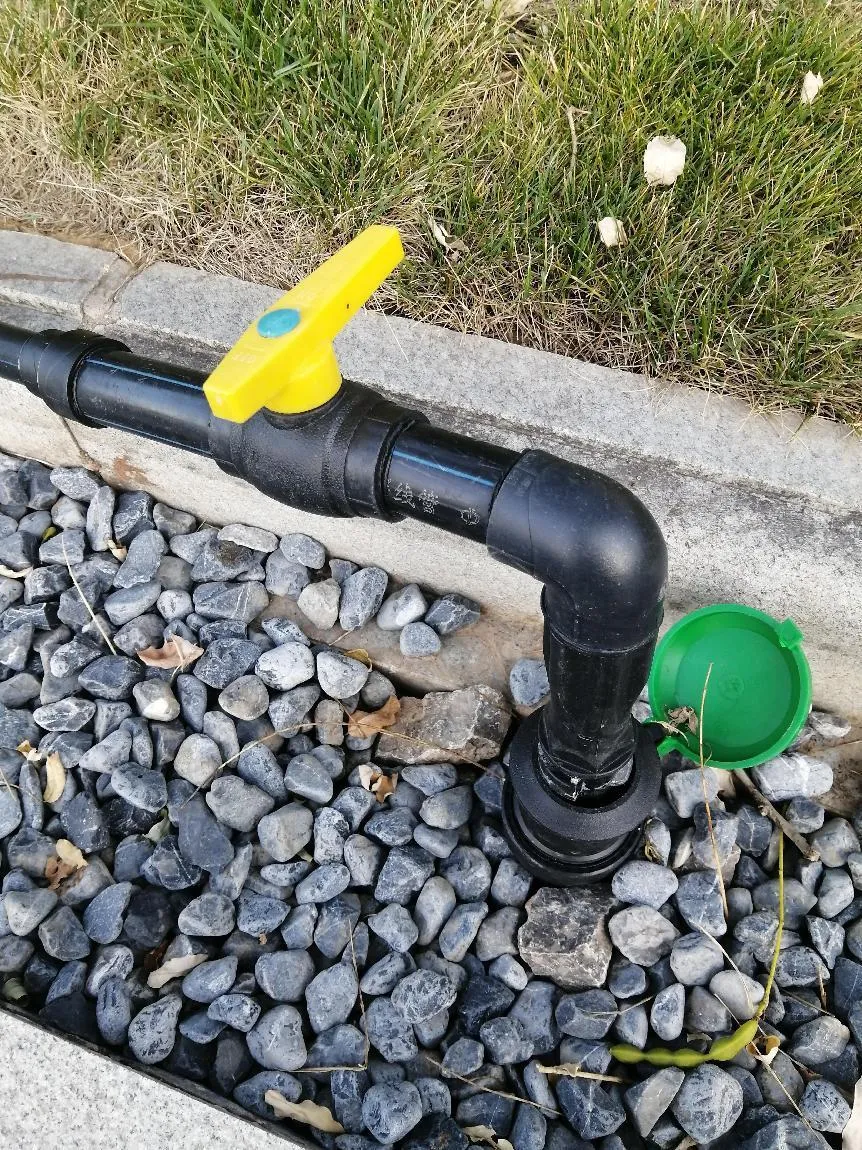
The performance of HDPE irrigation pipe is fundamentally governed by its mechanical and hydraulic properties. Tensile strength (typically 38-55 MPa depending on pipe dimensions and material grade) and elongation at break (typically 300-700%) define the pipe’s ability to withstand tensile stress. The pipe's resistance to internal pressure is assessed via hydrostatic burst pressure testing, aligned with ASTM D1597. The design of irrigation systems must account for water hammer – the sudden pressure surge caused by rapid valve closure – which can induce significant stress on the pipe. HDPE’s flexibility allows it to absorb some of this energy, mitigating the risk of rupture. Soil loading also constitutes a crucial design consideration, especially for buried pipes. The pipe's ability to withstand external loads without ovalization or collapse is determined by its pipe stiffness (PS) – a measure of the pipe’s resistance to deformation under a given load. Furthermore, HDPE exhibits excellent chemical resistance to most fertilizers and pesticides commonly used in agriculture, preventing corrosion or degradation. However, prolonged exposure to strong oxidizing agents should be avoided. Environmental resistance includes consideration of temperature fluctuations, with HDPE maintaining its flexibility and impact resistance down to -40°C. Proper installation techniques, including adequate bedding and backfill compaction, are essential for maximizing the pipe’s long-term performance and preventing stress concentrations.
Technical Specifications
| Parameter | Unit | Typical Value (DN63 – DN200) | Test Standard |
|---|---|---|---|
| Nominal Diameter | mm | 20 – 200 | ISO 4427 |
| Pressure Rating (PN) | Bar | 6.3 – 16 | ASTM D1597 |
| Density | g/cm³ | 0.931 – 0.965 | ASTM D1505 |
| MRS (Minimum Required Strength) | MPa | 10 | ISO 11679 |
| Pipe Stiffness (PS) | N/m² | 500 – 1200 | ASTM D2412 |
| Elongation at Break | % | 300 – 700 | ASTM D638 |
Failure Mode & Maintenance
Common failure modes in HDPE irrigation pipe include slow crack growth (SCG), particularly at stress concentrators like fittings or areas with surface imperfections. SCG is exacerbated by sustained tensile stress and exposure to certain chemicals. Fatigue cracking can occur due to repeated pressure fluctuations or external loading. Environmental stress cracking (ESC) results from the combined effect of stress and chemical exposure. Oxidation, although less common due to the presence of UV stabilizers, can lead to embrittlement over extended periods. Joint failures can occur due to improper fusion welding, inadequate surface preparation, or poor alignment during installation. To mitigate these failures, regular inspections are crucial. These should include visual checks for cracks, leaks, and signs of deformation. Hydrostatic testing can be periodically performed to assess the pipe’s pressure-holding capacity. Preventative maintenance should focus on ensuring proper soil support and protection from external impacts. For SCG, reducing internal pressure and using high-quality fittings are essential. If a leak is detected, the affected section of pipe should be cut out and replaced with a new section, properly fusion-welded or mechanically joined. Proper welding procedures, adhering to standards like DVS 2207, are critical to ensure leak-tight joints. Avoiding sharp bends and utilizing expansion joints can minimize stress concentrations.
Industry FAQ
Q: What is the impact of soil corrosivity on the long-term performance of HDPE irrigation pipes?
A: While HDPE itself is highly resistant to most soil chemicals, corrosive soils can accelerate degradation of adjacent metallic components (e.g., fittings, valves). Furthermore, extremely acidic or alkaline soils can potentially leach additives from the HDPE, impacting its long-term properties. Protective coatings or the use of compatible materials for fittings are recommended in highly corrosive environments.
Q: How does the choice of joining method (fusion welding vs. mechanical joints) affect the reliability of an irrigation system?
A: Fusion welding typically provides a stronger and more leak-proof joint than mechanical joints, as it creates a homogeneous connection between the pipe sections. However, fusion welding requires skilled operators and proper equipment. Mechanical joints are easier to install but may be more prone to leaks over time, particularly under pressure fluctuations. The best method depends on the specific application and the level of required reliability.
Q: What is the recommended minimum burial depth for HDPE irrigation pipes to protect against physical damage and UV exposure?
A: A minimum burial depth of 600mm (24 inches) is generally recommended to provide adequate protection against physical damage from agricultural machinery and foot traffic. Sufficient soil cover also minimizes UV exposure. If burial depth is limited, additional protective measures, such as concrete slabs or warning tape, should be implemented.
Q: Can HDPE pipes be used for transporting recycled water or water with high levels of dissolved solids?
A: Yes, HDPE is highly resistant to most chemicals and can be used for transporting recycled water or water with high levels of dissolved solids. However, it's crucial to verify the specific composition of the water to ensure compatibility. High concentrations of certain chemicals might necessitate the use of specialized HDPE formulations.
Q: What are the considerations for designing an HDPE irrigation system in areas with significant temperature variations?
A: HDPE expands and contracts with temperature changes. This thermal expansion/contraction must be accounted for in the system design to prevent stress buildup. Expansion loops or flexible connectors should be incorporated into long pipe runs to accommodate dimensional changes. The pipe material’s coefficient of thermal expansion should be considered during layout and installation.
Conclusion
HDPE pipe provides a compelling solution for irrigation applications due to its balance of mechanical strength, chemical resistance, and ease of installation. Understanding the material’s properties, manufacturing processes, and potential failure modes is crucial for ensuring long-term system reliability and minimizing water loss. Proper design, installation, and maintenance practices, aligned with relevant industry standards, are essential for maximizing the benefits of HDPE irrigation systems.
The continued development of HDPE formulations with enhanced UV stabilization and improved resistance to SCG will further expand the applicability of this material in agricultural water management. Furthermore, the adoption of advanced non-destructive testing methods for leak detection and condition assessment will contribute to improved system performance and reduced maintenance costs.
-
DN25 HDPE Compression Fitting-HORON INTERNATIONAL|Reliable Irrigation Solutions
NewsFeb.11,2026
-
discount hdpe pipe size chart pdf Performance Analysis
News2026-06-18
-
discount water supply line under sink Performance Analysis
News2026-06-18
-
discount ppr pipe 1 2 price Performance Analysis
News2026-06-18
-
discount ppr pipe 3 4 price Performance Analysis
News2026-06-18
-
discount grey pvc pipe Material Performance
News2026-06-18
-
discount ppr 3 4 price Performance Analysis
News2026-06-17
-
discount hdpe pipe connectors Material Performance
News2026-06-17
-
discount submersible column pipe Performance Analysis
News2026-06-17
-
discount ppr flexible pipe Performance Analysis
News2026-06-17
-
discount column pipe for submersible pump Performance Analysis
News2026-06-17
-
china flexible pvc tubing Performance Analysis
News2026-06-16
-
china water pipe kitchen sink Material Performance
News2026-06-16
-
china upvc column pipes for submersible pumps Performance Analysis
News2026-06-16
-
china 36 hdpe corrugated pipe Manufacturing Analysis
News2026-06-16
-
china kitchen sink water pipe Performance Analysis
News2026-06-16