

Feb . 11, 2026 00:01 Back to list
china ppr pipe 50mm Performance Analysis
Introduction
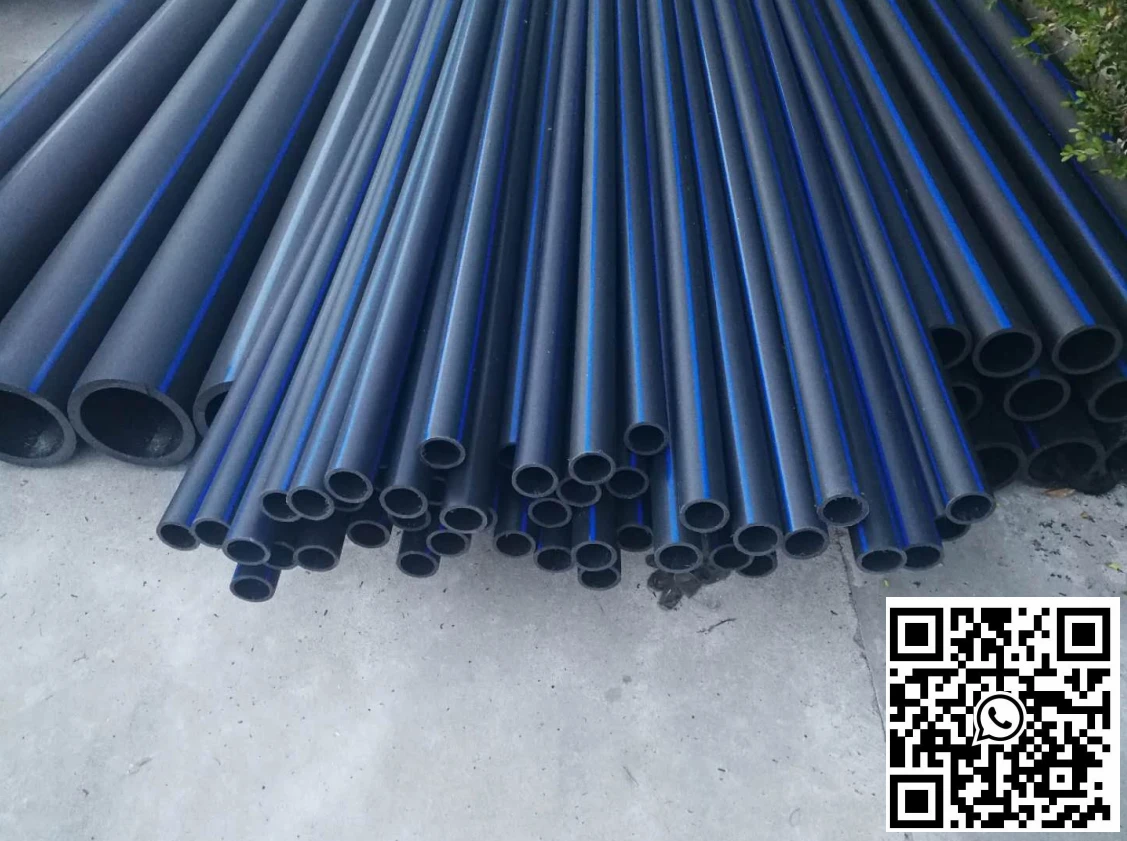
Polypropylene Random (PPR) pipe, specifically the 50mm variant manufactured in China, represents a significant advancement in pressure piping systems for potable water, heating, and industrial applications. Positioned within the building and construction materials supply chain, PPR pipe offers a corrosion-resistant, lightweight, and cost-effective alternative to traditional metal piping. Its core performance characteristics – high flow capacity due to smooth internal surfaces, thermal stability, and chemical inertness – address critical industry demands for durability and hygiene. The 50mm diameter is a standard size utilized extensively in residential and commercial plumbing systems, balancing flow requirements with installation ease. The primary challenges in the industry regarding PPR pipe concern long-term creep resistance under sustained pressure and temperature, proper installation techniques to prevent stress cracking, and ensuring consistent material quality across various manufacturers. This guide provides a comprehensive technical overview of China-manufactured 50mm PPR pipe, covering material science, manufacturing processes, performance characteristics, potential failure modes, and relevant industry standards.
Material Science & Manufacturing
PPR pipe is produced from polypropylene random copolymer. The ‘random’ designation indicates a specific polymerization process incorporating ethylene into the polypropylene chain. This randomization disrupts the polymer's crystallinity, yielding increased flexibility, impact resistance, and improved weldability compared to homopolymer polypropylene. The raw material, polypropylene, is a thermoplastic polymer derived from propylene monomer through Ziegler-Natta or metallocene catalysis. Key physical properties of the base material include a density of approximately 0.905 g/cm³, a tensile strength ranging from 25-35 MPa, and a flexural modulus between 800-1200 MPa. Manufacturing typically involves extrusion. Polypropylene pellets are fed into an extruder, melted, and forced through a die to create the pipe's cylindrical form. Critical process parameters include melt temperature (typically 200-240°C), extrusion speed, and die design. Precise temperature control is crucial to prevent material degradation and ensure dimensional accuracy. Subsequent cooling and sizing stages stabilize the pipe. Fusion welding (butt fusion, socket fusion, electrofusion) is the standard joining method, relying on the material's inherent thermoplastic properties. The quality of the welding process, dependent on heater temperature, pressure, and holding time, significantly impacts the system's long-term integrity. Formulations often include UV stabilizers to mitigate degradation from sunlight exposure, particularly in exposed applications.
Performance & Engineering
The performance of 50mm PPR pipe is governed by several engineering principles. Hydrostatic pressure testing, typically performed to DIN 19569 or equivalent standards, verifies the pipe’s ability to withstand internal pressure without failure. Force analysis focuses on hoop stress induced by internal pressure, calculated using the Barlow’s formula (σ = PD/2t, where σ is hoop stress, P is internal pressure, D is diameter, and t is wall thickness). Creep, the time-dependent deformation under sustained stress, is a significant concern, particularly at elevated temperatures. Long-term hydrostatic strength (LTHS) is a critical parameter, determined through accelerated aging tests to predict pipe life under specific pressure and temperature conditions. Chemical resistance is excellent across a broad pH range, but prolonged exposure to strong oxidizing agents should be avoided. Thermal expansion and contraction are inherent to polypropylene and must be accounted for in system design via expansion loops or flexible connectors. Compliance requirements vary by region but generally encompass potable water safety standards (e.g., NSF/ANSI 61), fire resistance (e.g., EN 13501), and dimensional accuracy (e.g., ISO 15876). The pipe’s smooth internal surface minimizes friction losses, reducing pumping energy requirements and contributing to efficient fluid transport. Installation must adhere to established guidelines, including proper support spacing to prevent sagging and stress concentration, and avoidance of sharp bends to minimize flow turbulence.
Technical Specifications
| Parameter | Unit | Standard | Typical Value (50mm PPR) |
|---|---|---|---|
| Nominal Diameter | mm | ISO 15876 | 50 |
| Wall Thickness | mm | DIN 8077/8078 | 3.2 - 4.2 (depending on pressure class PN) |
| Pressure Rating (PN) | bar | DIN 8077/8078 | PN10, PN16, PN20 |
| Hydrostatic Pressure Test | bar | DIN 19569 | ≥ 48 bar (PN16) |
| Long Term Hydrostatic Strength (LTHS) | bar | ISO 11671 | ≥ 6.3 bar (at 70°C, 100 years) |
| Tensile Strength | MPa | ISO 527 | 28-35 |
Failure Mode & Maintenance
Several failure modes can affect 50mm PPR pipe. Stress cracking, induced by internal pressure combined with external loads or improper installation, is a common issue. This often originates at weld points if insufficient fusion occurred. Fatigue cracking can occur due to cyclical pressure fluctuations, particularly in systems subjected to water hammer. Oxidation, accelerated by elevated temperatures and UV exposure, can lead to embrittlement and reduced mechanical properties. Creep rupture, as mentioned previously, manifests as slow deformation and eventual failure under sustained stress and temperature. Delamination can occur within the pipe wall if the polymer matrix is compromised during manufacturing or processing. Maintenance primarily involves visual inspection for cracks, leaks, or signs of deformation. Regular pressure testing can identify potential weaknesses before catastrophic failure. Welded joints should be inspected using non-destructive testing methods, such as ultrasonic testing, if critical applications demand a higher level of assurance. Avoid using abrasive cleaning agents that can damage the pipe's surface. In case of minor damage, repair sleeves or couplings can be used, ensuring compatibility with the pipe material and proper installation procedures. For significant damage or suspected degradation, complete pipe replacement is recommended. Proper installation practices, adhering to manufacturer's guidelines and relevant standards, are the most effective preventative maintenance measure.
Industry FAQ
Q: What are the key differences between PPR-C and PPR-U pipe, and which is preferred for potable water systems?
A: PPR-C (chlorinated PPR) offers enhanced chlorine resistance compared to standard PPR-U. The chlorination process imparts improved resistance to degradation caused by chlorine disinfectants commonly used in potable water treatment. While PPR-U is suitable for cold water applications, PPR-C is generally preferred for hot and cold potable water systems due to its superior long-term performance and resistance to chlorine-induced embrittlement. PPR-C also maintains its mechanical properties better under elevated temperatures.
Q: How does the wall thickness of PPR pipe affect its pressure rating, and what factors determine the appropriate thickness for a given application?
A: Wall thickness is inversely proportional to hoop stress; a thicker wall provides greater resistance to internal pressure. Pressure ratings (PN) are directly correlated with wall thickness. The appropriate thickness is determined by the maximum operating pressure, operating temperature, fluid type, and installation conditions. Higher pressures and temperatures require thicker walls. Consult relevant standards (DIN 8077/8078) and manufacturer's specifications to select the correct wall thickness for the specific application.
Q: What are the common causes of weld failures in PPR pipe systems, and how can they be prevented?
A: Weld failures typically stem from insufficient heating time, incorrect heater temperature, inadequate pressure during fusion, or contamination of the welding surfaces. Prevention involves using calibrated welding equipment, following manufacturer’s recommended welding parameters (temperature, time, pressure), ensuring clean and dry welding surfaces, and properly training installation personnel. Regular inspection of welded joints is also crucial.
Q: What is the impact of UV exposure on PPR pipe, and what measures can be taken to mitigate its effects?
A: Prolonged UV exposure can cause degradation of the polypropylene, leading to embrittlement, discoloration, and reduced mechanical strength. To mitigate these effects, use UV-stabilized PPR pipe formulations, shield the pipe from direct sunlight with protective coatings or insulation, or bury the pipe underground. Darker colored PPR pipe generally exhibits better UV resistance than lighter colors.
Q: How do different installation methods (e.g., trenchless vs. open-cut) affect the long-term performance of PPR pipe systems?
A: Trenchless installation methods, while minimizing disruption, can introduce stresses due to ground movement or pipe bending during installation. Proper pipe support and bedding are critical in trenchless applications. Open-cut installation allows for more controlled pipe alignment and support but requires more extensive excavation. Regardless of the method, adherence to established installation guidelines and proper backfilling procedures are essential to ensure long-term performance and prevent stress-induced failures.
Conclusion
China-manufactured 50mm PPR pipe represents a robust and economical solution for a wide range of piping applications. Its inherent properties—corrosion resistance, thermal stability, and ease of installation—make it a compelling alternative to traditional materials. However, achieving optimal performance and longevity requires a thorough understanding of the material’s limitations, adherence to established engineering principles, and strict quality control throughout the manufacturing and installation processes.
Future advancements will likely focus on enhancing creep resistance through improved polymer formulations, developing more sophisticated non-destructive testing methods for weld integrity assessment, and integrating smart sensors for real-time monitoring of pipe system performance. Continued research and development, coupled with rigorous adherence to international standards, will further solidify PPR pipe’s position as a reliable and sustainable piping solution.
-
DN25 HDPE Compression Fitting-HORON INTERNATIONAL|Reliable Irrigation Solutions
NewsFeb.11,2026
-
discount hdpe pipe size chart pdf Performance Analysis
News2026-06-18
-
discount water supply line under sink Performance Analysis
News2026-06-18
-
discount ppr pipe 1 2 price Performance Analysis
News2026-06-18
-
discount ppr pipe 3 4 price Performance Analysis
News2026-06-18
-
discount grey pvc pipe Material Performance
News2026-06-18
-
discount ppr 3 4 price Performance Analysis
News2026-06-17
-
discount hdpe pipe connectors Material Performance
News2026-06-17
-
discount submersible column pipe Performance Analysis
News2026-06-17
-
discount ppr flexible pipe Performance Analysis
News2026-06-17
-
discount column pipe for submersible pump Performance Analysis
News2026-06-17
-
china flexible pvc tubing Performance Analysis
News2026-06-16
-
china water pipe kitchen sink Material Performance
News2026-06-16
-
china upvc column pipes for submersible pumps Performance Analysis
News2026-06-16
-
china 36 hdpe corrugated pipe Manufacturing Analysis
News2026-06-16
-
china kitchen sink water pipe Performance Analysis
News2026-06-16