

Feb . 11, 2026 00:01 Back to list
china ppr plumbing fittings Performance Analysis
Introduction
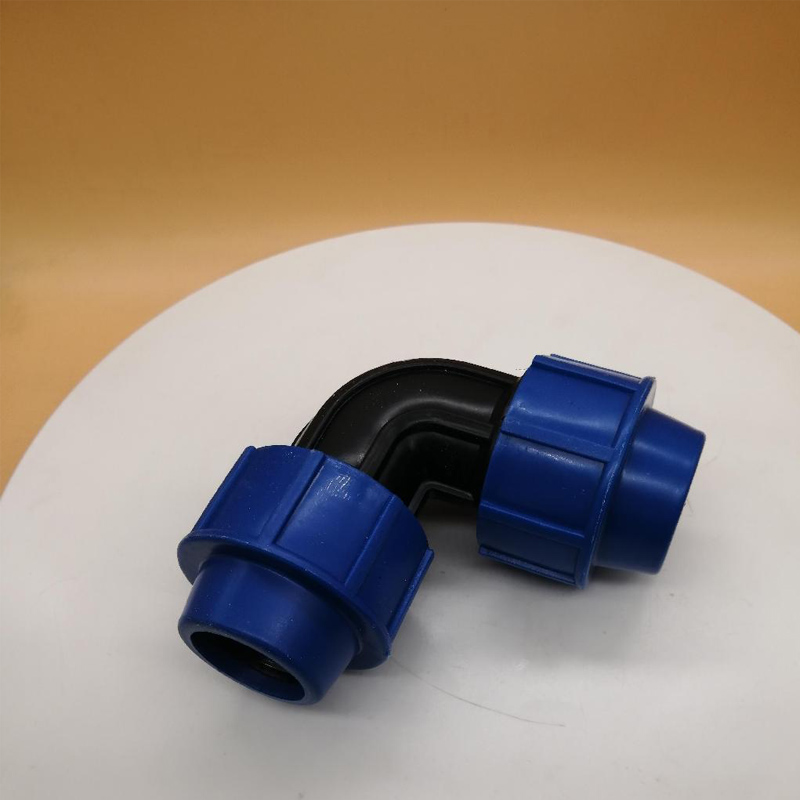
Polypropylene Random (PPR) plumbing fittings represent a significant advancement in residential and commercial water distribution systems. Manufactured predominantly in China, these fittings connect PPR pipes, forming a leak-proof, corrosion-resistant network for both hot and cold potable water. Their position within the plumbing industry chain is as a critical component following pipe extrusion and preceding installation. Core performance characteristics center around their ability to withstand sustained pressure, temperature fluctuations, and resist chemical degradation commonly found in municipal water supplies. The inherent advantages of PPR—including low thermal conductivity, reducing condensation, and ease of installation through heat fusion welding—have driven their widespread adoption as a cost-effective alternative to traditional metal piping systems. A key industry pain point centers around ensuring consistent quality control during manufacturing to avoid premature fitting failure due to material defects or improper welding parameters. Another challenge resides in educating installers on optimal heat fusion techniques to maximize joint integrity and longevity.
Material Science & Manufacturing
PPR fittings are primarily composed of polypropylene random copolymer, a thermoplastic polymer known for its excellent chemical resistance and mechanical properties. The raw material, polypropylene homopolymer and ethylene, undergo a controlled polymerization process, resulting in a random distribution of ethylene units along the polypropylene chain. This random copolymerization disrupts the crystalline structure of polypropylene, enhancing its impact resistance and flexibility. Key physical properties include a density of approximately 0.905 g/cm³, a tensile strength ranging from 20-30 MPa, and a Rockwell hardness of 60-70.
The manufacturing process typically involves injection molding. PPR resin is fed into an injection molding machine where it is heated to a molten state (around 230-270°C). This molten polymer is then injected under high pressure into a precision-engineered mold cavity, shaped to the desired fitting geometry (elbows, tees, couplings, etc.). Critical parameters include mold temperature (30-50°C), injection pressure (60-100 MPa), and cooling time (20-40 seconds). Precise control of these parameters is essential to minimize internal stresses, ensure dimensional accuracy, and prevent warping. Subsequent to molding, fittings undergo quality inspection, including visual checks for defects and pressure testing to verify their integrity. Some manufacturers also employ ultrasonic testing to detect internal voids or delaminations. Material compatibility with the water supply is vital; PPR exhibits excellent resistance to acids, alkalis, and common water treatment chemicals but can be affected by prolonged exposure to strong oxidizing agents.
Performance & Engineering
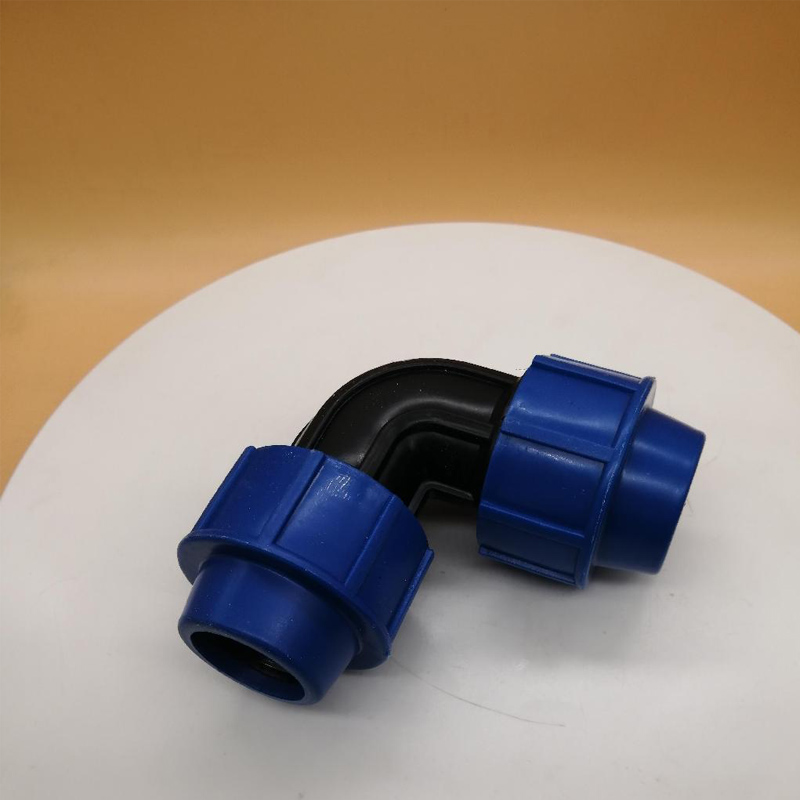
The performance of PPR fittings is critically dependent on their ability to withstand hydrostatic pressure and thermal stresses. Force analysis reveals that the primary stress concentration occurs at the weld joint during heat fusion. Proper heat fusion welding—typically using a socket fusion or saddle fusion technique—creates a homogenous bond between the fitting and the pipe, ensuring structural integrity. Insufficient heating or incorrect fusion time leads to incomplete welding and potential failure. Environmental resistance is another key consideration. PPR exhibits excellent resistance to corrosion and scaling, making it suitable for a wide range of water qualities. However, prolonged exposure to UV radiation can cause degradation, leading to brittleness and reduced impact strength. Therefore, PPR systems installed in exposed locations require UV protection. Compliance requirements vary by region, but generally adhere to standards related to potable water safety and material certification. PPR fittings must meet stringent requirements for leaching of harmful substances into the water supply. Specifically, the hydraulic design incorporates calculations for fluid flow rate, pressure drop, and the impact of fittings on overall system efficiency. The choice of fitting diameter is dictated by the required flow capacity and the pipe’s nominal size.
Technical Specifications
| Parameter | Unit | Specification (Typical) | Test Method |
|---|---|---|---|
| Nominal Pressure (PN) | MPa | 1.6, 2.0, 2.5 | ISO 1167 |
| Operating Temperature | °C | -20 to +95 | Manufacturer Specification |
| Material | - | Polypropylene Random Copolymer (PPR) | ISO 1043-1 |
| Tensile Strength | MPa | 20-30 | ISO 527-2 |
| Elongation at Break | % | 200-400 | ISO 527-2 |
| Water Absorption | % (24hr) | <0.1 | ISO 62 |
Failure Mode & Maintenance
Common failure modes in PPR plumbing fittings include fatigue cracking at the weld joint, particularly under cyclic pressure loading. This is often attributed to improper heat fusion welding, resulting in insufficient material intermingling. Another prevalent failure mode is crazing—the formation of fine cracks on the fitting surface—caused by exposure to corrosive chemicals or excessive stress. Delamination, or separation of layers within the fitting material, can occur due to material defects or inadequate cooling during injection molding. Oxidation, though less common, can occur at high temperatures over extended periods, leading to brittleness and reduced impact strength. A critical failure mechanism is slow crack growth (SCG), especially in the presence of certain detergents or disinfectants. This occurs when residual stresses in the material combine with aggressive chemicals to initiate and propagate cracks over time.
Preventative maintenance involves regular visual inspections for signs of cracking, leaking, or discoloration. Proper installation is paramount, ensuring that all fittings are correctly aligned and heat-fused according to manufacturer’s instructions. Water quality should be monitored to minimize exposure to corrosive substances. In cases of minor leaks, temporary repairs can be made using specialized PPR repair couplings, but a permanent solution typically involves replacing the damaged fitting. Periodic pressure testing of the system can identify potential weaknesses before they lead to catastrophic failure. Avoid using abrasive cleaning agents, as they can scratch the surface and create stress concentration points. Regular flushing of the system can help remove sediment buildup and prevent corrosion.
Industry FAQ
Q: What are the primary differences between PPR and CPVC fittings in terms of long-term durability?
A: While both PPR and CPVC offer excellent chemical resistance, PPR generally exhibits superior long-term durability in potable water applications. CPVC, while more temperature-resistant, is susceptible to chlorine-induced degradation over extended periods, potentially leading to embrittlement and cracking. PPR’s inherent resistance to chlorine and other common water treatment chemicals contributes to a longer service life.
Q: How does the quality of the welding equipment affect the reliability of PPR joints?
A: The quality of the welding equipment is paramount. Inconsistent heating elements or imprecise temperature control can lead to under-welded or over-welded joints. Over-welding can cause material degradation, while under-welding results in weak joints prone to failure. Using calibrated, reputable welding equipment with accurate temperature settings is crucial.
Q: What considerations should be made when installing PPR systems in areas with high seismic activity?
A: In seismic zones, it's essential to incorporate flexible connections and expansion loops to accommodate ground movement. PPR systems, while generally robust, can be susceptible to fracture if subjected to excessive stress from ground deformation. Utilizing appropriately sized supports and ensuring adequate spacing between fittings can also enhance seismic resistance.
Q: What is the impact of water hardness on the performance of PPR fittings?
A: High water hardness can lead to scale buildup within the PPR pipes and fittings. While PPR itself is resistant to scaling, the accumulated scale can reduce flow capacity and create turbulence, potentially accelerating corrosion of other components in the system. Water softening may be necessary in areas with exceptionally hard water.
Q: Are PPR fittings suitable for use with recycled water or greywater systems?
A: The suitability of PPR fittings for recycled water or greywater systems depends on the specific water composition. Greywater often contains soaps, detergents, and organic matter that could potentially degrade the material over time. A thorough assessment of the water chemistry is essential to ensure compatibility and prevent premature failure. Specific PPR formulations designed for greywater applications are available.
Conclusion
China PPR plumbing fittings represent a reliable and cost-effective solution for potable water distribution systems. Their inherent advantages – including corrosion resistance, ease of installation, and thermal insulation – contribute to their widespread adoption. However, ensuring consistent quality control during manufacturing, proper installation techniques utilizing calibrated heat fusion equipment, and careful consideration of environmental factors (UV exposure, water chemistry) are critical for maximizing the longevity and performance of PPR systems.
The ongoing evolution of PPR technology focuses on developing formulations with enhanced UV resistance, improved impact strength, and increased compatibility with various water qualities. Future advancements may also incorporate smart monitoring systems integrated into the fittings to detect leaks and provide real-time performance data. Continued adherence to international standards and rigorous quality assurance protocols will solidify the position of China PPR plumbing fittings as a leading solution in the global plumbing industry.
-
DN25 HDPE Compression Fitting-HORON INTERNATIONAL|Reliable Irrigation Solutions
NewsFeb.11,2026
-
discount hdpe pipe size chart pdf Performance Analysis
News2026-06-18
-
discount water supply line under sink Performance Analysis
News2026-06-18
-
discount ppr pipe 1 2 price Performance Analysis
News2026-06-18
-
discount ppr pipe 3 4 price Performance Analysis
News2026-06-18
-
discount grey pvc pipe Material Performance
News2026-06-18
-
discount ppr 3 4 price Performance Analysis
News2026-06-17
-
discount hdpe pipe connectors Material Performance
News2026-06-17
-
discount submersible column pipe Performance Analysis
News2026-06-17
-
discount ppr flexible pipe Performance Analysis
News2026-06-17
-
discount column pipe for submersible pump Performance Analysis
News2026-06-17
-
china flexible pvc tubing Performance Analysis
News2026-06-16
-
china water pipe kitchen sink Material Performance
News2026-06-16
-
china upvc column pipes for submersible pumps Performance Analysis
News2026-06-16
-
china 36 hdpe corrugated pipe Manufacturing Analysis
News2026-06-16
-
china kitchen sink water pipe Performance Analysis
News2026-06-16