

Feb . 11, 2026 00:01 Back to list
china ppr water pipe suppliers Performance Analysis
Introduction
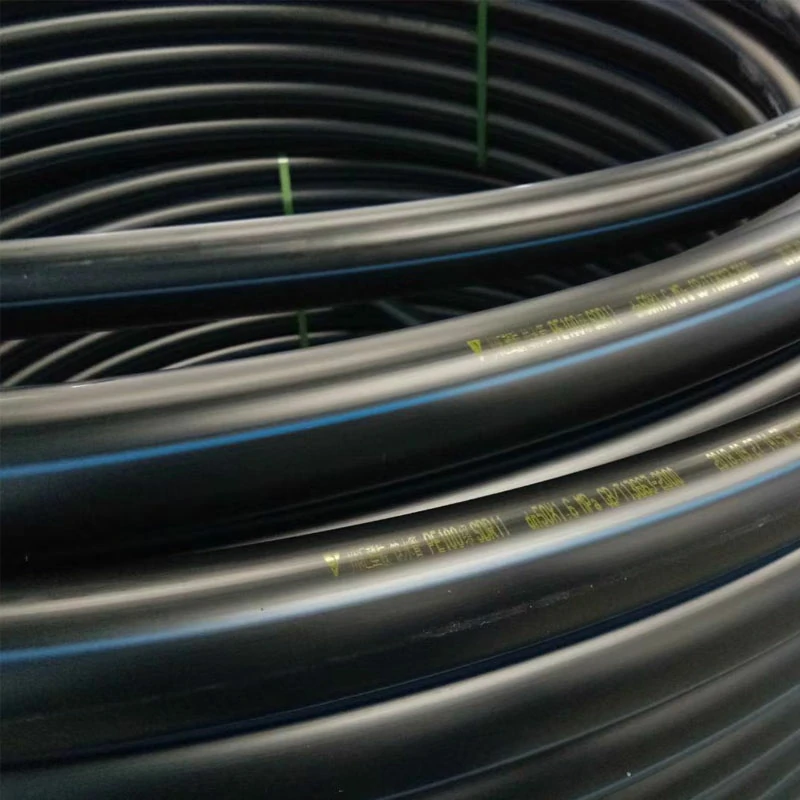
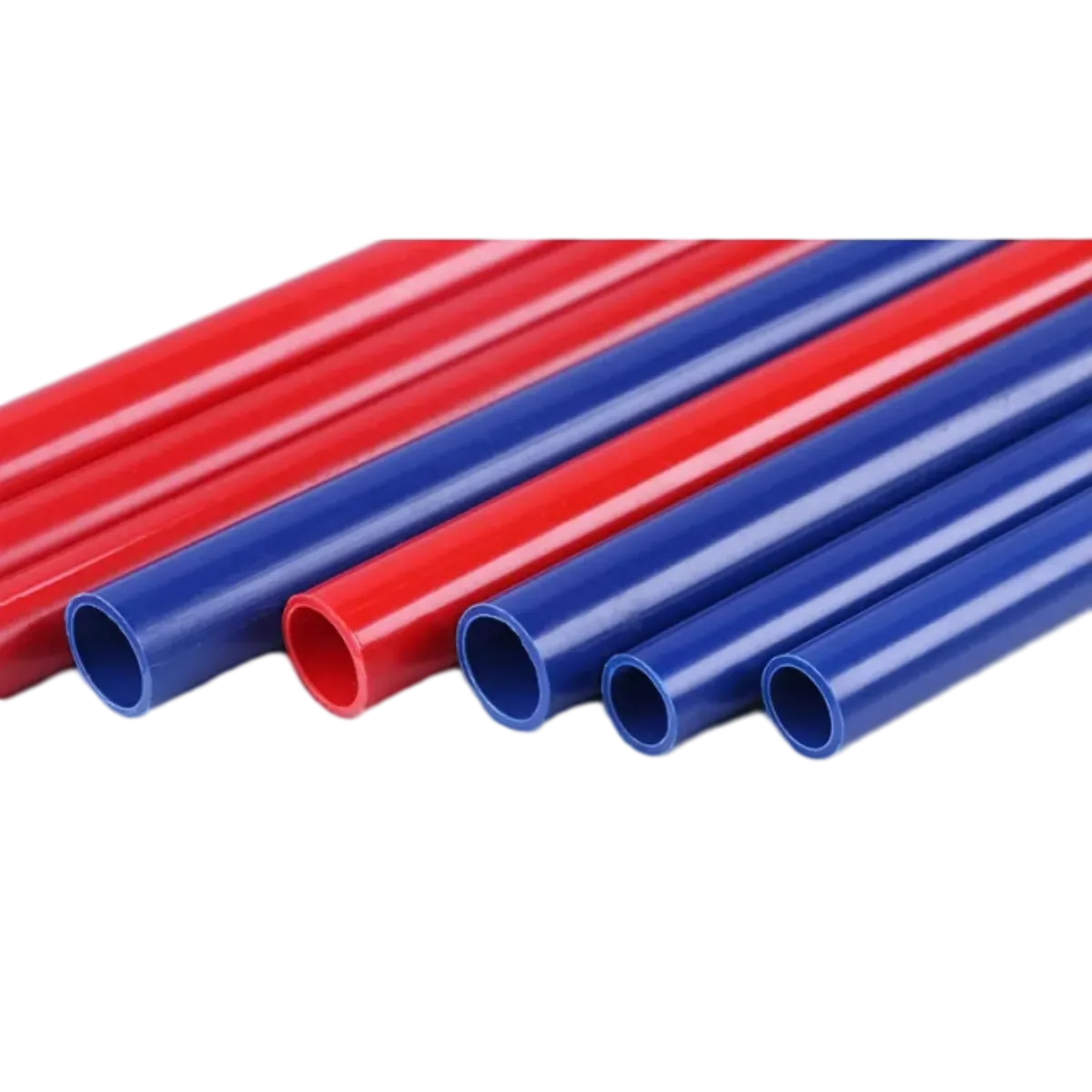
Polypropylene Random (PPR) water pipes, supplied extensively by manufacturers in China, represent a significant advancement in potable water distribution systems. Positioned as a direct replacement for traditional materials like galvanized steel, copper, and PVC, PPR pipes offer advantages in corrosion resistance, thermal stability, and ease of installation. PPR’s inherent chemical inertness makes it suitable for carrying potable water, while its relatively low cost, coupled with efficient manufacturing processes prevalent in China, has driven its global adoption. This technical guide details the material science, manufacturing processes, performance characteristics, failure modes, and relevant standards associated with PPR water pipes sourced from China, addressing common industry concerns regarding quality and longevity.
Material Science & Manufacturing
PPR pipes are manufactured from polypropylene random copolymers. The “random” designation signifies the random distribution of comonomers – typically ethylene – within the polypropylene chain. This random distribution disrupts the polymer's crystallinity, resulting in enhanced flexibility and impact resistance compared to homopolymer polypropylene. Raw material selection is critical; the polypropylene resin must meet stringent quality controls regarding molecular weight distribution (MWD), melt flow index (MFI), and residual monomer content. Chinese manufacturers typically source polypropylene from large petrochemical plants, both domestic and international.
The primary manufacturing process is extrusion. Polypropylene resin is fed into an extruder, where it’s heated and plasticized. A critical parameter is temperature control, maintained within a precise range (typically 190-240°C) to prevent thermal degradation and ensure consistent melt viscosity. The molten polymer is then forced through a die, forming the pipe’s shape. Pipe dimensions (diameter and wall thickness) are controlled by the die geometry and extrusion speed. Following extrusion, pipes undergo cooling, calibration (to ensure dimensional accuracy), and cutting to specified lengths. Fusion welding, utilizing either hot plate or socket fusion techniques, joins pipe sections and fittings. Parameter control during welding – specifically temperature and pressure – is crucial to achieving a homogenous, leak-proof joint. Variations in these parameters can create weak points susceptible to failure. Quality control typically involves hydrostatic pressure testing, dimensional checks, and visual inspection for defects.
Performance & Engineering
PPR pipe performance is dictated by several key engineering properties. Tensile strength, typically around 20-30 MPa, determines the pipe’s resistance to bursting under internal pressure. Elongation at break (typically >300%) indicates its ductility and ability to withstand deformation without fracturing. The hydrostatic pressure rating, a critical performance metric, is determined through standardized testing (discussed later) and varies depending on pipe diameter and wall thickness; commonly available ratings range from PN10 (1.0 MPa) to PN25 (2.5 MPa). Thermal expansion is another important consideration. PPR has a significant coefficient of thermal expansion (approximately 0.15 mm/m°C), necessitating the incorporation of expansion loops or flexible connectors in long pipeline runs to prevent stress cracking due to temperature fluctuations.
Chemical resistance is a key advantage of PPR. It exhibits excellent resistance to most common chemicals found in potable water, including chlorine, acids, and alkalis. However, prolonged exposure to certain organic solvents can cause swelling and degradation. UV resistance is limited; prolonged exposure to sunlight can cause embrittlement. Therefore, PPR pipes should be protected from direct sunlight, either through burial or the application of UV-stabilizing coatings. Furthermore, the long-term creep resistance of PPR is a critical factor. Under sustained pressure, even below the yield strength, the material can exhibit slow deformation over time, potentially leading to joint failure. Proper material selection and adherence to design guidelines are crucial to mitigate this risk.
Technical Specifications
| Parameter | Unit | PN10 | PN16 |
|---|---|---|---|
| Nominal Pressure | MPa | 1.0 | 1.6 |
| Hydrostatic Pressure Test | MPa | 1.5 | 2.4 |
| Tensile Strength | MPa | 22 | 25 |
| Elongation at Break | % | >300 | >350 |
| Water Absorption | % (24hr) | <0.1 | <0.1 |
| Operating Temperature | °C | -20 to +95 | -20 to +95 |
Failure Mode & Maintenance
PPR pipe failure modes commonly observed in the field include slow crack growth (SCG), particularly at welded joints, and brittle fracture due to impact damage. SCG is often initiated by residual stresses introduced during welding or by notches created during installation. It propagates slowly over time, eventually leading to leakage. Brittle fracture is more common in colder climates where the material becomes more susceptible to impact damage. Another failure mode is delamination, occurring when insufficient fusion occurs during socket welding, leaving voids within the joint. Chemical attack, though less common with potable water, can occur with aggressive water chemistries.
Preventative maintenance involves regular visual inspections for leaks and signs of cracking, particularly around joints. Hydrostatic testing can be performed periodically to assess the integrity of the pipeline. Correct installation practices are paramount – adherence to welding parameters (temperature, pressure, holding time) and proper pipe support are essential. If leaks are detected, the affected section of pipe should be cut out and replaced with new pipe and fittings, ensuring proper welding procedures are followed. For minor surface scratches, a light abrasion and re-welding may suffice. In areas prone to freezing, adequate insulation should be provided to prevent pipe rupture. Periodic water quality analysis can help identify aggressive water chemistries that may accelerate degradation.
Industry FAQ
Q: What are the key differences between PPR and PVC-U water pipes, and when would you recommend PPR over PVC-U?
A: PVC-U is generally less expensive but lacks the flexibility and impact resistance of PPR. PPR exhibits superior temperature resistance, making it suitable for hot and cold water applications, whereas PVC-U is limited to cold water. PPR is also inherently more resistant to chlorine degradation. PPR is recommended when thermal stability, chemical inertness, and long-term reliability are critical, despite a slightly higher initial cost.
Q: What are the most common causes of leakage in PPR welded joints, and how can they be prevented?
A: Common causes include insufficient welding temperature, inadequate welding pressure, incorrect holding time, and contamination of the welding surfaces. Prevention involves using calibrated welding tools, ensuring surfaces are clean and dry, strictly adhering to manufacturer-recommended welding parameters, and proper operator training.
Q: How does the quality of PPR pipe from Chinese suppliers compare to European or American manufacturers?
A: Quality varies significantly amongst Chinese suppliers. Reputable manufacturers adhere to international standards (see below) and implement rigorous quality control measures. Lower-cost suppliers may compromise on material quality or manufacturing processes. Thorough due diligence, including factory audits and independent testing, is crucial when sourcing from China.
Q: What is the expected service life of a properly installed PPR water pipe system?
A: A properly installed and maintained PPR system is expected to have a service life of 50 years or more. However, this is dependent on water quality, operating temperature, and exposure to UV radiation. Regular inspections and preventative maintenance are crucial for maximizing longevity.
Q: How does the coefficient of thermal expansion of PPR affect pipeline design, and what mitigation strategies are recommended?
A: PPR's high coefficient of thermal expansion can induce significant stresses in long pipeline runs, potentially leading to joint failure. Mitigation strategies include incorporating expansion loops or bends, utilizing flexible connectors, and providing adequate pipe support to allow for thermal movement. Design calculations must account for the expected temperature range and pipeline length.
Conclusion
PPR water pipe systems, particularly those sourced from China, offer a cost-effective and reliable solution for potable water distribution. The material’s inherent properties – corrosion resistance, thermal stability, and ease of installation – provide significant advantages over traditional piping materials. However, realizing these benefits requires careful attention to material selection, manufacturing quality, installation procedures, and ongoing maintenance.
Successful implementation demands a thorough understanding of PPR’s performance characteristics, potential failure modes, and adherence to relevant international standards. Prioritizing quality control throughout the supply chain, from raw material sourcing to final product testing, is paramount to ensuring the long-term reliability and safety of PPR water pipe systems.
-
DN25 HDPE Compression Fitting-HORON INTERNATIONAL|Reliable Irrigation Solutions
NewsFeb.11,2026
-
discount hdpe pipe size chart pdf Performance Analysis
News2026-06-18
-
discount water supply line under sink Performance Analysis
News2026-06-18
-
discount ppr pipe 1 2 price Performance Analysis
News2026-06-18
-
discount ppr pipe 3 4 price Performance Analysis
News2026-06-18
-
discount grey pvc pipe Material Performance
News2026-06-18
-
discount ppr 3 4 price Performance Analysis
News2026-06-17
-
discount hdpe pipe connectors Material Performance
News2026-06-17
-
discount submersible column pipe Performance Analysis
News2026-06-17
-
discount ppr flexible pipe Performance Analysis
News2026-06-17
-
discount column pipe for submersible pump Performance Analysis
News2026-06-17
-
china flexible pvc tubing Performance Analysis
News2026-06-16
-
china water pipe kitchen sink Material Performance
News2026-06-16
-
china upvc column pipes for submersible pumps Performance Analysis
News2026-06-16
-
china 36 hdpe corrugated pipe Manufacturing Analysis
News2026-06-16
-
china kitchen sink water pipe Performance Analysis
News2026-06-16