

Feb . 11, 2026 00:01 Back to list
china pvc pipe is used for Performance Analysis
Introduction
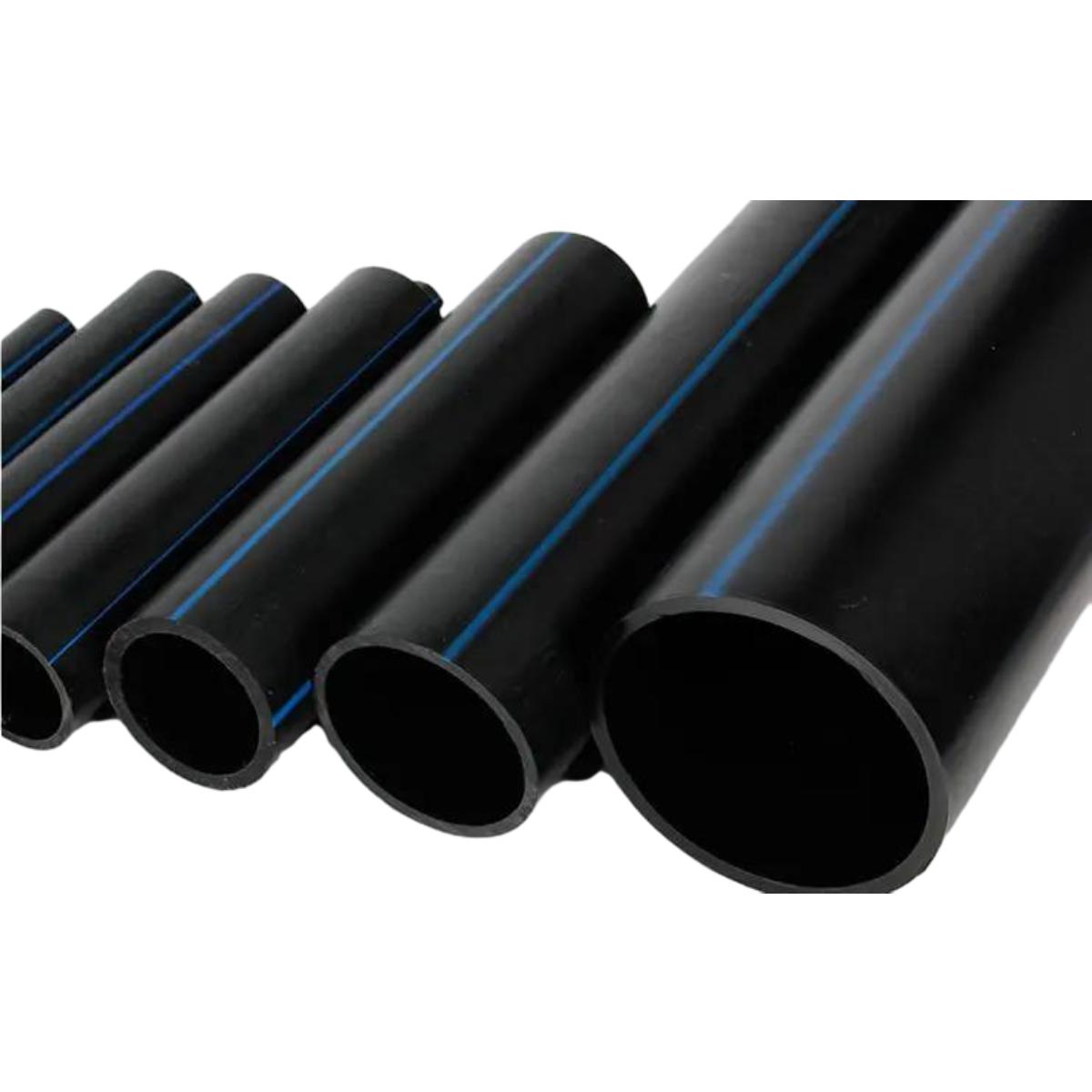
Polyvinyl chloride (PVC) pipe manufactured in China represents a significant portion of the global PVC pipe market, serving diverse applications ranging from potable water distribution and irrigation to wastewater management and industrial fluid conveyance. Its prevalence stems from a balance of cost-effectiveness, reasonable durability, and ease of installation. This technical guide provides an in-depth analysis of Chinese-manufactured PVC pipe, examining its material composition, manufacturing processes, performance characteristics, common failure modes, and relevant industry standards. A key challenge in the industry is ensuring consistent quality control across numerous manufacturers and maintaining compliance with international safety and performance requirements. Understanding the nuances of PVC resin grades, extrusion techniques, and quality assurance protocols is critical for engineers, procurement managers, and regulatory bodies alike. The focus here will be on Schedule 40 and Schedule 80 PVC pipes, the most common configurations for pressure applications.
Material Science & Manufacturing
Chinese PVC pipe is primarily composed of PVC resin, plasticizers (typically phthalates or more recently, alternatives like DINCH), stabilizers (often lead-based, though calcium-zinc stabilizers are increasingly used due to environmental concerns), lubricants, and impact modifiers. The PVC resin itself is a thermoplastic polymer produced by the polymerization of vinyl chloride monomer (VCM). The choice of PVC resin grade (e.g., K67, K70) dictates the pipe's inherent rigidity and impact resistance. Plasticizers are crucial for imparting flexibility, especially in flexible PVC applications, but can leach over time affecting long-term performance. Stabilizers prevent thermal degradation during processing and UV degradation during service.
Manufacturing typically involves extrusion. PVC compound is fed into an extruder, where it is heated and plasticized. The molten PVC is then forced through a die to create the desired pipe diameter and wall thickness. Key parameters during extrusion include barrel temperature profile (typically 180-210°C), screw speed (affecting throughput and melt homogeneity), and die pressure (controlling dimensional accuracy). Cooling is achieved through water baths, followed by sizing and cutting to length. Quality control during manufacturing involves regular testing of raw materials, in-process monitoring of extrusion parameters, and post-extrusion inspection for dimensional accuracy, surface defects, and hydrostatic pressure testing. Significant variance in manufacturing quality exists between different Chinese producers; certification (discussed later) is crucial.
Performance & Engineering
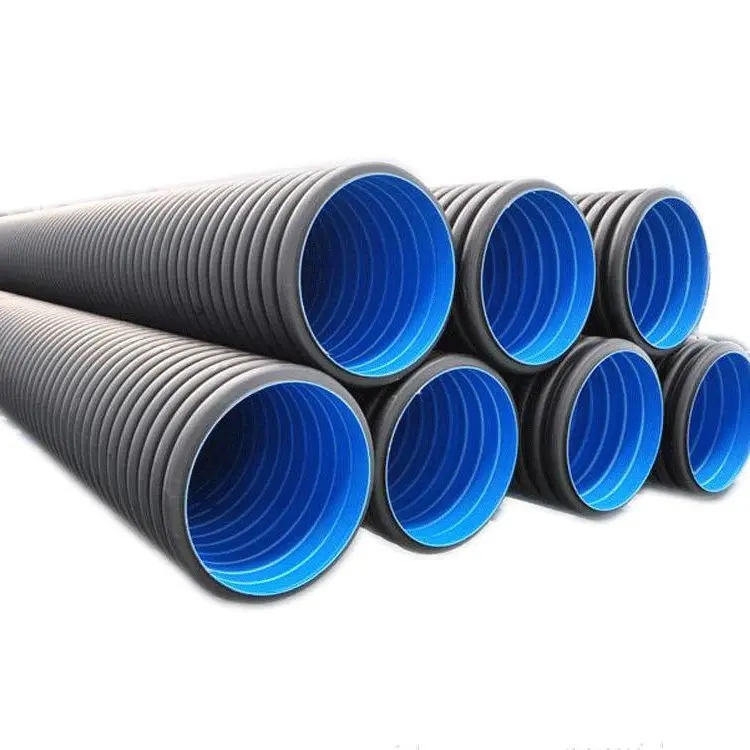
The performance of PVC pipe is dictated by several factors, including its pressure rating, tensile strength, impact strength, and chemical resistance. Pressure rating (typically expressed in PSI) is determined by the pipe's Schedule number (40, 80, etc.) and diameter. Higher Schedule numbers denote thicker walls and higher pressure capabilities. Tensile strength, a measure of resistance to stretching, is typically around 50-60 MPa for rigid PVC. Impact strength, especially at lower temperatures, is critical to prevent brittle failure.
Environmental resistance is a significant consideration. While PVC exhibits good resistance to many acids and bases, it can be affected by prolonged exposure to certain solvents and hydrocarbons. UV degradation is another concern; direct sunlight exposure can cause embrittlement and discoloration. This is mitigated by the addition of UV stabilizers during compounding. Furthermore, PVC undergoes creep – a slow deformation under sustained load – which must be considered in long-term applications. Engineering design must account for potential hydrostatic pressure fluctuations, soil loading (for buried pipes), and thermal expansion/contraction. Finite element analysis (FEA) is often employed to model stress distribution and predict long-term performance.
Technical Specifications
| Parameter | Schedule 40 (Typical) | Schedule 80 (Typical) | Test Standard |
|---|---|---|---|
| Material | PVC (K67) | PVC (K70) | ASTM D1785 |
| Pressure Rating (PSI at 73°F) | 400 | 600 | ASTM D1785 |
| Tensile Strength (MPa) | 55 | 60 | ASTM D638 |
| Impact Strength (Izod Notched, J/m) | 400 | 600 | ASTM D256 |
| Water Absorption (% after 24 hours) | <0.1 | <0.1 | ASTM D570 |
| Chemical Resistance | Good to most acids & bases | Good to most acids & bases | ASTM D696 |
Failure Mode & Maintenance
Common failure modes for Chinese PVC pipe include longitudinal cracking due to stress corrosion, circumferential cracking caused by hydrostatic pressure fluctuations, and impact failure (especially in colder climates). Degradation of plasticizers can lead to embrittlement and reduced impact resistance over time. UV exposure can cause surface cracking and discoloration. Joint failures can occur due to improper solvent welding or gasket failure. Fatigue cracking can develop in areas subjected to repeated stress. Failure analysis often reveals inconsistencies in material composition or manufacturing defects.
Maintenance primarily involves visual inspection for cracks, leaks, and discoloration. Regular pressure testing can identify weaknesses before catastrophic failure. For buried pipes, corrosion protection (e.g., cathodic protection) may be necessary in aggressive soil environments. Damaged sections should be replaced using appropriate joining methods (solvent welding or gasketed joints). Avoid using abrasive cleaners or solvents that can attack the PVC material. Proper backfilling and bedding procedures are critical to prevent stress concentration and pipe damage during installation.
Industry FAQ
Q: What are the key differences in quality between Tier 1 and Tier 3 Chinese PVC pipe manufacturers?
A: Tier 1 manufacturers typically invest heavily in advanced extrusion technology, rigorous quality control systems (including in-house testing labs and third-party certifications), and utilize higher-grade raw materials. They generally adhere more consistently to international standards. Tier 3 manufacturers often prioritize cost reduction, resulting in potential compromises in material quality, process control, and testing, leading to increased risk of premature failure.
Q: How does the type of plasticizer affect the long-term performance of PVC pipe?
A: Phthalate plasticizers, while cost-effective, are known to leach over time, causing embrittlement and potentially contaminating the conveyed fluid. Alternative plasticizers like DINCH offer improved leach resistance and environmental profiles but are more expensive. The choice of plasticizer significantly impacts the pipe’s service life and suitability for potable water applications.
Q: What is the significance of hydrostatic pressure testing?
A: Hydrostatic pressure testing involves pressurizing the pipe to a specified level (typically 1.5 to 2 times the working pressure) for a defined period to detect leaks and assess its ability to withstand pressure. It is a crucial quality control measure to ensure the pipe's structural integrity and prevent catastrophic failure during operation.
Q: What certifications should I look for when sourcing PVC pipe from China?
A: Look for certifications such as NSF/ANSI 61 (for potable water), ISO 4427 (for pressure rating), and CE marking (indicating compliance with European standards). Additionally, a manufacturer’s ISO 9001 certification demonstrates a commitment to quality management systems. Independent third-party testing reports are also valuable.
Q: How does temperature affect the performance of PVC pipe?
A: PVC becomes more brittle at lower temperatures, increasing the risk of impact failure. High temperatures can reduce the pipe's pressure rating and accelerate creep deformation. Engineers must consider the operating temperature range and select appropriate PVC formulations and pipe schedules accordingly.
Conclusion
Chinese-manufactured PVC pipe represents a cost-effective solution for a wide range of applications, but careful consideration must be given to material quality, manufacturing processes, and adherence to international standards. Variability in quality exists among manufacturers, necessitating rigorous due diligence and independent testing. Understanding the impact of factors such as plasticizer type, UV exposure, and temperature is crucial for ensuring long-term performance and preventing premature failure.
The trend towards more environmentally friendly plasticizers and stabilizers is driving innovation in the Chinese PVC pipe industry. Investing in suppliers with robust quality control systems and internationally recognized certifications is paramount. Proper installation practices and regular maintenance are also essential for maximizing the service life and reliability of PVC pipe systems. Continued advancements in PVC resin technology will further enhance the performance and sustainability of these essential infrastructure components.
-
DN25 HDPE Compression Fitting-HORON INTERNATIONAL|Reliable Irrigation Solutions
NewsFeb.11,2026
-
discount hdpe pipe size chart pdf Performance Analysis
News2026-06-18
-
discount water supply line under sink Performance Analysis
News2026-06-18
-
discount ppr pipe 1 2 price Performance Analysis
News2026-06-18
-
discount ppr pipe 3 4 price Performance Analysis
News2026-06-18
-
discount grey pvc pipe Material Performance
News2026-06-18
-
discount ppr 3 4 price Performance Analysis
News2026-06-17
-
discount hdpe pipe connectors Material Performance
News2026-06-17
-
discount submersible column pipe Performance Analysis
News2026-06-17
-
discount ppr flexible pipe Performance Analysis
News2026-06-17
-
discount column pipe for submersible pump Performance Analysis
News2026-06-17
-
china flexible pvc tubing Performance Analysis
News2026-06-16
-
china water pipe kitchen sink Material Performance
News2026-06-16
-
china upvc column pipes for submersible pumps Performance Analysis
News2026-06-16
-
china 36 hdpe corrugated pipe Manufacturing Analysis
News2026-06-16
-
china kitchen sink water pipe Performance Analysis
News2026-06-16