

Feb . 11, 2026 00:01 Back to list
china pvc to hdpe coupling Performance Analysis
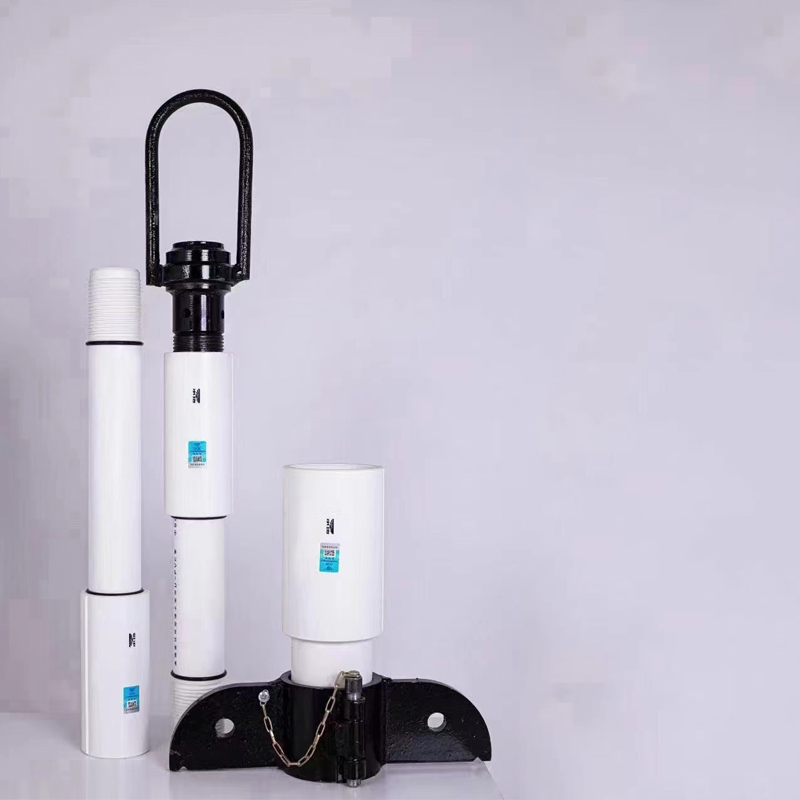
Introduction
PVC to HDPE couplings are critical components in fluid conveyance systems, serving as a transitional interface between Polyvinyl Chloride (PVC) and High-Density Polyethylene (HDPE) piping. These couplings are increasingly utilized in municipal water distribution, irrigation, industrial effluent management, and drainage systems where differing pipe materials are necessary due to cost, performance, or existing infrastructure. The primary function is to create a leak-proof, structurally sound joint, accommodating differing thermal expansion rates and chemical compatibility concerns between PVC and HDPE. The manufacturing of these couplings, especially those originating from China, requires meticulous attention to material selection, joint design, and quality control to ensure long-term system integrity and operational reliability. This guide provides an in-depth technical analysis of these couplings, covering material science, manufacturing processes, performance characteristics, potential failure modes, and relevant industry standards.
Material Science & Manufacturing
The coupling itself typically comprises a body constructed from either PVC, HDPE, or a combination of both, alongside elastomeric sealing elements. PVC, a thermoplastic polymer synthesized from vinyl chloride, offers rigidity, chemical resistance, and cost-effectiveness. However, it’s susceptible to embrittlement at low temperatures and exhibits limited flexibility. HDPE, also a thermoplastic, provides superior impact resistance, ductility, and resistance to chemical degradation, particularly in aggressive soil conditions. However, HDPE has a lower modulus of elasticity than PVC. Manufacturing processes vary based on coupling size and complexity. Injection molding is commonly used for smaller couplings, ensuring dimensional precision and repeatability. Larger diameter couplings frequently employ rotational molding, providing uniform wall thickness and strength. The crucial aspect is achieving a robust mechanical interlock between the PVC and HDPE sections, often facilitated by a rubber gasket (typically EPDM or nitrile rubber) providing a watertight seal. Parameter control during the molding process—specifically temperature, pressure, and cooling rates—is paramount. Improper control can result in material defects like voids, warpage, and residual stresses which compromise structural integrity. The gasket material must exhibit high elongation and compression set resistance to maintain sealing performance over extended periods and fluctuating temperatures. Surface preparation of both PVC and HDPE sections prior to gasket installation is also critical, often involving plasma treatment or chemical etching to enhance adhesion and prevent leakage.
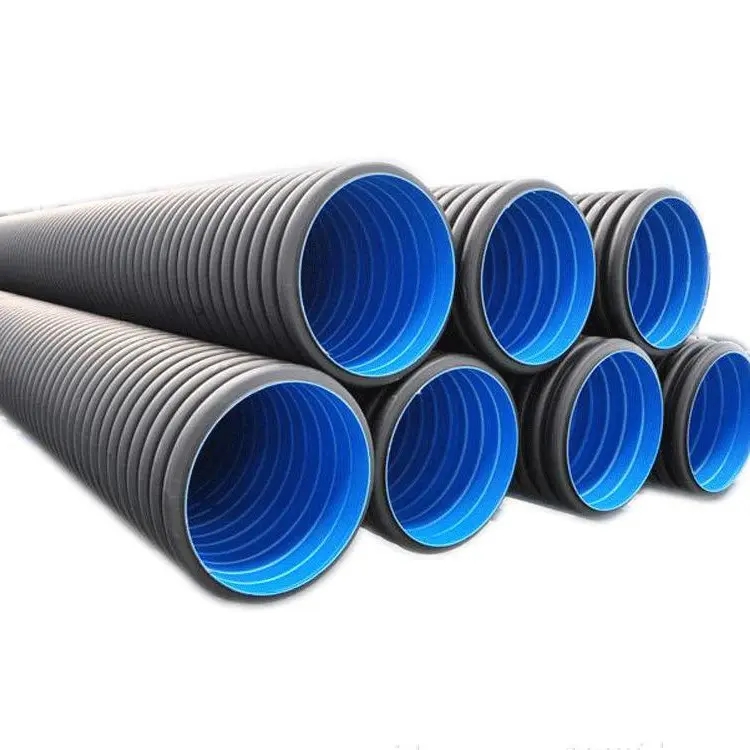
Performance & Engineering
The performance of a PVC to HDPE coupling is governed by several engineering principles. Firstly, stress analysis at the joint interface is critical. Differing coefficients of thermal expansion between PVC and HDPE (PVC ~ 8 x 10^-5 /°C, HDPE ~ 1.2 x 10^-4 /°C) induce stresses during temperature fluctuations. The coupling design must accommodate these stresses to prevent joint separation or gasket failure. Finite Element Analysis (FEA) is frequently employed to model stress distribution under various loading conditions, including internal pressure, external loads from soil burial, and thermal cycling. Secondly, the coupling must withstand internal hydrostatic pressure without deformation or leakage. The wall thickness of the coupling body and the compression force exerted by the gasket directly influence pressure resistance. Thirdly, long-term creep resistance of the HDPE section is a concern, particularly in applications involving sustained loads. HDPE, although ductile, can exhibit time-dependent deformation under constant stress. Furthermore, the coupling’s chemical compatibility with the conveyed fluid is paramount. Exposure to aggressive chemicals can lead to gasket swelling, degradation of the polymer matrix, and ultimately, joint failure. Compliance requirements, such as those stipulated by AWWA (American Water Works Association) standards for potable water systems, dictate permissible material compositions and testing protocols to ensure water quality and system safety.
Technical Specifications
| Parameter | PVC Coupling (DN100) | HDPE Coupling (DN100) | Gasket Material |
|---|---|---|---|
| Material | PVC-U (Type I, Grade 1) | HDPE (PE100) | EPDM Rubber |
| Pressure Rating (PN) | PN16 (2.5 MPa) | PN16 (2.5 MPa) | - |
| Operating Temperature Range | 0°C to 60°C | -40°C to 80°C | -30°C to 150°C |
| Tensile Strength | >55 MPa | >30 MPa | >15 MPa |
| Elongation at Break | >30% | >500% | >300% |
| Water Absorption (24hr) | <0.1% | <0.1% | <1% |
Failure Mode & Maintenance
PVC to HDPE couplings are susceptible to several failure modes. Fatigue cracking can occur in the PVC section due to cyclic loading and thermal stress, particularly in buried applications subject to soil movement. Delamination between the PVC and HDPE sections can arise from inadequate surface preparation or incompatible bonding agents. Gasket failure is a common issue, manifested as cracking, hardening, or extrusion due to prolonged exposure to temperature extremes, UV radiation, or chemical attack. Oxidation of the HDPE section can occur over time, leading to embrittlement and reduced impact resistance. A significant failure mode, specifically in lower-quality couplings, is dimensional instability, where the coupling deforms under pressure, leading to leakage. Maintenance primarily focuses on preventative measures. Regular visual inspections for cracks, leaks, or signs of degradation are crucial. Gasket replacement should be performed periodically, typically every 5-7 years, depending on the operating environment. Proper backfilling procedures during installation are essential to minimize external stresses on the coupling. Avoid using abrasive materials during installation or handling, as these can damage the coupling surfaces. In case of leakage, the coupling should be immediately replaced to prevent further system damage. Non-destructive testing methods, such as ultrasonic inspection, can be employed to assess the internal integrity of the coupling without disassembly.
Industry FAQ
Q: What is the primary advantage of using a PVC to HDPE coupling over a solely PVC or HDPE system?
A: The advantage lies in leveraging the best properties of both materials. PVC offers rigidity and cost-effectiveness for certain sections, while HDPE provides superior flexibility, impact resistance, and chemical resistance for other parts of the system, particularly in buried applications or where aggressive fluids are present. A coupling allows for a seamless transition without compromising overall system performance.
Q: How does the choice of gasket material impact the long-term reliability of the coupling?
A: The gasket is the critical sealing element. EPDM offers excellent resistance to water, ozone, and weathering, making it suitable for many applications. Nitrile rubber provides superior oil and fuel resistance. The gasket material must be compatible with the conveyed fluid and capable of withstanding the operating temperature range without degrading or losing its sealing properties. Compression set resistance is also vital to ensure long-term sealing force.
Q: What considerations should be given to thermal expansion when installing these couplings?
A: As PVC and HDPE have different coefficients of thermal expansion, it's crucial to allow for sufficient expansion and contraction within the system. Properly designed expansion loops and flexible joints should be incorporated, and the coupling installation should not rigidly constrain the pipe sections. Avoid burying the coupling in areas prone to significant temperature fluctuations without adequate thermal insulation.
Q: What quality control measures should be implemented when sourcing these couplings from China?
A: Rigorous quality control is essential. This includes verifying material certifications (e.g., PE100 for HDPE, Type I Grade 1 for PVC), conducting hydrostatic pressure testing on a sample basis, and inspecting for dimensional accuracy and surface defects. Independent third-party inspection is recommended to ensure compliance with relevant standards. Factory audits can also provide insight into manufacturing processes and quality control procedures.
Q: What is the expected service life of a properly installed and maintained PVC to HDPE coupling?
A: With proper installation, material selection, and maintenance, a well-manufactured PVC to HDPE coupling can have a service life exceeding 20-30 years in typical applications. However, this is contingent on the operating environment, fluid composition, and adherence to recommended maintenance schedules. Regular inspections and proactive gasket replacement are key to maximizing service life.
Conclusion
PVC to HDPE couplings represent a vital component in modern fluid conveyance systems, enabling the effective integration of two distinct materials to optimize performance and cost. The successful application of these couplings hinges on a thorough understanding of material science principles, precise manufacturing control, and careful consideration of engineering factors such as thermal expansion, stress distribution, and chemical compatibility. Prioritizing quality control during sourcing, especially when procuring from China, is paramount to ensure long-term reliability and prevent premature failure.
Looking ahead, advancements in coupling design may focus on incorporating smart materials and sensor technologies to monitor joint integrity and detect potential leaks proactively. Furthermore, research into more durable and chemically resistant gasket materials will contribute to extending the service life and reducing maintenance requirements. Adherence to international standards and best practices remains crucial to ensuring the safety and sustainability of these critical infrastructure components.
-
DN25 HDPE Compression Fitting-HORON INTERNATIONAL|Reliable Irrigation Solutions
NewsFeb.11,2026
-
discount hdpe pipe size chart pdf Performance Analysis
News2026-06-18
-
discount water supply line under sink Performance Analysis
News2026-06-18
-
discount ppr pipe 1 2 price Performance Analysis
News2026-06-18
-
discount ppr pipe 3 4 price Performance Analysis
News2026-06-18
-
discount grey pvc pipe Material Performance
News2026-06-18
-
discount ppr 3 4 price Performance Analysis
News2026-06-17
-
discount hdpe pipe connectors Material Performance
News2026-06-17
-
discount submersible column pipe Performance Analysis
News2026-06-17
-
discount ppr flexible pipe Performance Analysis
News2026-06-17
-
discount column pipe for submersible pump Performance Analysis
News2026-06-17
-
china flexible pvc tubing Performance Analysis
News2026-06-16
-
china water pipe kitchen sink Material Performance
News2026-06-16
-
china upvc column pipes for submersible pumps Performance Analysis
News2026-06-16
-
china 36 hdpe corrugated pipe Manufacturing Analysis
News2026-06-16
-
china kitchen sink water pipe Performance Analysis
News2026-06-16