Introduction
3-inch galvanized steel pipe, 20 feet in length, represents a fundamental component in fluid conveyance systems across numerous industries. Galvanization, a zinc coating process, provides crucial corrosion resistance to the underlying steel, making it suitable for applications involving water, gas, and various industrial fluids. This guide details the material science, manufacturing processes, performance characteristics, potential failure modes, and maintenance protocols associated with this commonly specified piping product. Its primary position within the broader construction and industrial chain is as a durable, cost-effective solution for pressurized and non-pressurized fluid transport. Core performance is defined by its internal diameter, wall thickness, pressure rating, and ability to resist corrosion, directly influencing system longevity and operational safety. Understanding these aspects is critical for engineers, procurement managers, and maintenance personnel to ensure appropriate selection, installation, and long-term reliability.
Material Science & Manufacturing
The base material for 3-inch galvanized pipe is typically carbon steel, conforming to ASTM A53 Grade B or similar specifications. This steel possesses a defined chemical composition, primarily iron with controlled percentages of carbon, manganese, phosphorus, and sulfur. The mechanical properties – yield strength, tensile strength, and ductility – are crucial for withstanding operational pressures and stresses. Galvanization is achieved through hot-dip galvanizing, a process where the steel pipe is immersed in a bath of molten zinc. This creates a metallurgical bond, forming several layers: the Zeta phase (FeZn7), Delta phase (FeZn10), Gamma phase (FeZn5), and finally, a pure zinc outer layer. The thickness of the zinc coating is a critical parameter, typically ranging from 0.0018 to 0.0024 inches (45.7 to 61 μm) depending on the desired level of corrosion protection and application requirements. Manufacturing involves steel pipe production via Electric Resistance Welding (ERW) or seamless processes. ERW pipe requires precise control of welding current, voltage, and speed to ensure a strong, consistent weld seam free from defects. Critical parameters include maintaining a narrow heat-affected zone and proper weld penetration. Post-welding, the pipe undergoes sizing, straightening, and cutting to the specified 20-foot length, followed by cleaning and preparation for galvanization. Quality control measures at each stage, including hydrostatic testing and non-destructive examination (NDE) of welds, are essential to guarantee structural integrity.

Performance & Engineering
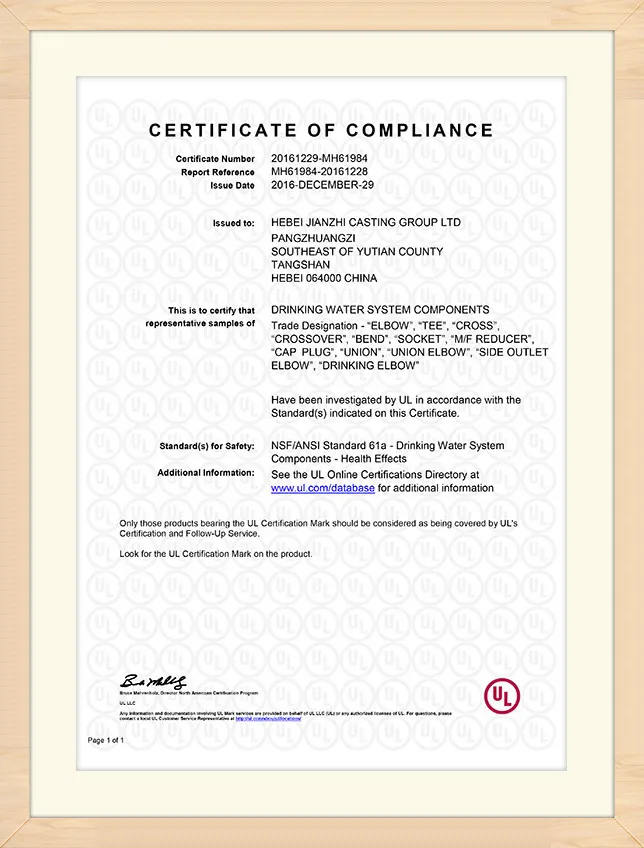
The performance of 3-inch galvanized pipe is dictated by its ability to withstand internal pressure, external loads, and corrosive environments. Force analysis considers hoop stress (resulting from internal pressure) and longitudinal stress (due to bending moments or axial loads). Wall thickness is a key design parameter; thicker walls provide greater pressure capacity but also increase material cost and weight. The allowable stress values are defined by ASME B31.1 (Power Piping) or similar codes depending on the application. Environmental resistance is primarily determined by the zinc coating's corrosion protection mechanism. Zinc acts as a sacrificial anode, corroding preferentially to the steel and protecting it from rust. However, the rate of zinc corrosion is influenced by factors such as pH, salinity, and temperature. In highly acidic or alkaline environments, the protective layer can be compromised. Galvanized pipe is generally suitable for conveying water and natural gas, but its use with certain chemicals should be carefully evaluated for compatibility. Compliance requirements often include adherence to NSF/ANSI 61 standards for potable water systems, ensuring that the pipe does not leach harmful contaminants into the water. Furthermore, local building codes may specify minimum wall thicknesses, pressure ratings, and installation practices. Proper installation techniques, including adequate support and protection from physical damage, are crucial for long-term performance. Consideration must be given to thermal expansion and contraction, particularly in applications involving significant temperature fluctuations.
Technical Specifications
| Nominal Pipe Size (inches) | Outside Diameter (inches) | Wall Thickness (inches) | Weight per Foot (lbs/ft) |
|---|---|---|---|
| 3 | 3.5 | 0.218 | 8.46 |
| 3 | 3.5 | 0.237 | 9.38 |
| 3 | 3.5 | 0.250 | 10.31 |
| 3 | 3.5 | 0.267 | 11.25 |
| 3 | 3.5 | 0.280 | 12.20 |
| 3 | 3.5 | 0.375 | 15.77 |
Failure Mode & Maintenance
Several failure modes can affect 3-inch galvanized pipe. Corrosion is the most common, particularly in environments with high chloride content or low pH. Localized corrosion, such as pitting, can initiate at imperfections in the zinc coating or at weld seams. Over time, the zinc coating depletes, exposing the underlying steel to corrosion. Mechanical damage, such as dents or scratches, can compromise the coating and accelerate corrosion. Fatigue cracking can occur under cyclic loading conditions, particularly at threaded connections or welds. Hydrogen embrittlement, a phenomenon where hydrogen atoms diffuse into the steel and reduce its ductility, can also contribute to failure. Joint failures can occur due to improper threading, inadequate tightening, or corrosion of the threads. Maintenance involves regular visual inspections for signs of corrosion, leaks, or mechanical damage. Protective coatings, such as paint or epoxy, can be applied to the exterior of the pipe to provide additional corrosion protection. Damaged zinc coatings should be repaired with zinc-rich paints. Threaded connections should be inspected for tightness and lubricated as needed. In areas with high corrosion rates, cathodic protection may be considered. Regular hydrostatic testing can verify the integrity of the pipe and identify potential leaks. When replacing sections of pipe, ensure compatibility of materials and proper installation techniques.
Industry FAQ
Q: What is the typical lifespan of a 3-inch galvanized pipe installation in a freshwater application?
A: The lifespan varies significantly based on water quality, soil conditions (for buried pipes), and maintenance practices. However, a well-maintained system in a typical freshwater application can reasonably expect a service life of 40-60 years. Areas with aggressive water chemistry or stray electrical currents will experience accelerated corrosion and reduced lifespan.
Q: Can galvanized pipe be used for conveying natural gas?
A: Yes, galvanized pipe is permitted for natural gas service in many jurisdictions, but its use is becoming less common. Regulations often specify requirements for pipe material, wall thickness, and coating quality. Polyethylene (PE) pipe is now frequently preferred due to its superior corrosion resistance and flexibility.
Q: What are the drawbacks of using galvanized pipe compared to other piping materials like copper or plastic?
A: Galvanized pipe is heavier and more difficult to install than copper or plastic. The zinc coating can contribute to water turbidity, and the pipe is susceptible to corrosion over time, leading to reduced flow capacity and potential leaks. It is also not suitable for all chemical applications.
Q: What is the impact of water pH on the corrosion rate of galvanized pipe?
A: Highly acidic water (pH < 6.0) and highly alkaline water (pH > 8.5) accelerate the corrosion of galvanized pipe. Acidic water dissolves the zinc coating, while alkaline water can create a saponification reaction, reducing the coating’s protective properties. Maintaining a neutral pH is ideal.
Q: How do I determine the appropriate wall thickness for a given application?
A: Wall thickness selection depends on the internal operating pressure, external loads, and applicable codes and standards (e.g., ASME B31.1). Calculations must consider a safety factor to account for potential pressure surges or unforeseen stresses. Consult with a qualified engineer to ensure proper selection.
Conclusion
3-inch galvanized steel pipe, 20 feet in length, remains a viable and cost-effective solution for numerous fluid conveyance applications. However, its long-term performance is fundamentally tied to proper material selection, manufacturing quality, installation practices, and ongoing maintenance. Understanding the nuances of the galvanization process, the potential failure modes, and the applicable industry standards is crucial for ensuring system reliability and minimizing life-cycle costs.
Looking ahead, while alternatives like plastic and stainless steel are gaining prominence, galvanized pipe will continue to serve a significant role in established infrastructure and new construction projects. Continued advancements in coating technologies and corrosion monitoring techniques will further extend its service life and maintain its position as a valuable component in the industrial landscape. Careful consideration of application-specific requirements and adherence to best practices will be paramount to maximizing its benefits.
