Introduction
4x4 square tubing represents a fundamental structural component across diverse industries, including construction, manufacturing, automotive, and agriculture. Defined by its nominal 4-inch side dimension and typically manufactured from carbon steel, stainless steel, or aluminum, this tubing offers a high strength-to-weight ratio, making it versatile for load-bearing applications, frameworks, and protective structures. Its technical position within the materials supply chain is as a semi-finished product, often undergoing further fabrication processes like welding, cutting, bending, and coating. Core performance characteristics include yield strength, tensile strength, weldability, corrosion resistance, and dimensional accuracy. The selection of appropriate 4x4 tubing necessitates careful consideration of these parameters based on the intended application and environmental conditions, addressing a critical need for reliable, durable, and cost-effective structural solutions.
Material Science & Manufacturing
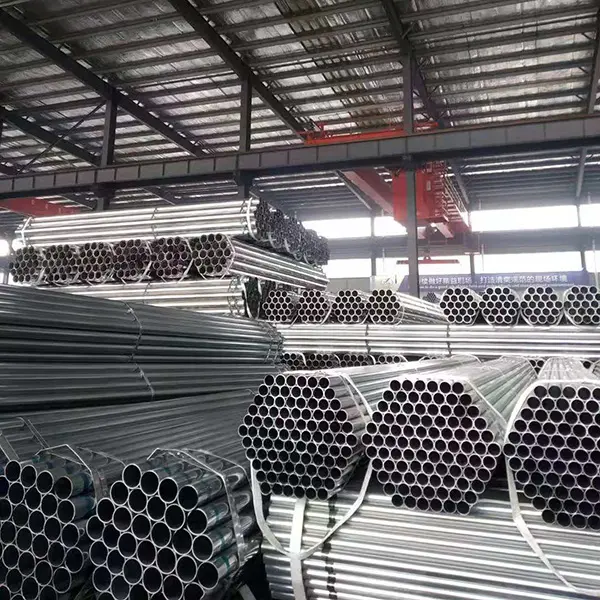
The predominant raw material for 4x4 tubing is carbon steel (typically ASTM A500 Grade B), characterized by its iron-carbon alloy composition and excellent strength. Stainless steel (grades 304/316 per ASTM A249) provides superior corrosion resistance due to chromium content, while aluminum alloys (6061-T6 per ASTM B221) offer lightweight characteristics and good machinability. Manufacturing processes commonly employed include Electric Resistance Welding (ERW) for carbon steel, offering high production rates and cost-effectiveness; Seamless tubing, produced via mandrel rolling or extrusion, exhibits superior strength and is preferred for critical applications. The ERW process involves forming steel strips into a tubular shape and using high-frequency electric current to fuse the edges. Key parameters during ERW include welding current, frequency, and roller pressure, impacting weld quality and mechanical properties. For stainless steel and aluminum, extrusion is a prevalent method, forcing the material through a die to create the desired shape. Post-manufacturing, processes like heat treatment (annealing, normalizing) are applied to relieve stress, improve ductility, and refine the metallurgical structure. Surface finishing, including galvanizing, powder coating, or painting, further enhances corrosion resistance and aesthetic appeal. Dimensional control is crucial, verified through rigorous quality checks using calipers, micrometers, and coordinate measuring machines (CMMs).
Performance & Engineering
The structural performance of 4x4 tubing is governed by its section modulus (a measure of resistance to bending) and moment of inertia. A larger section modulus indicates a greater ability to resist deformation under load. Force analysis, utilizing finite element analysis (FEA) software, is critical for predicting stress distribution and ensuring structural integrity. Environmental resistance is a key consideration; carbon steel is susceptible to corrosion, particularly in chloride-rich environments, necessitating protective coatings. Stainless steel provides enhanced corrosion resistance, but passivation layers can be compromised by aggressive chemicals. Aluminum alloys exhibit good resistance to atmospheric corrosion but are prone to galvanic corrosion when in contact with dissimilar metals. Compliance requirements vary by industry and geographic location. In construction, 4x4 tubing must adhere to building codes (IBC, AISC) specifying allowable stress levels and safety factors. In automotive applications, compliance with relevant safety standards (FMVSS) is mandatory. Functional implementation involves detailing connection methods – welding (SMAW, GMAW, FCAW), bolting, or riveting – each with specific strength characteristics and limitations. Welding requires qualified welders and adherence to welding procedures (WPS) to ensure weld quality and prevent defects like porosity or cracking. Load capacity calculations must account for shear forces, bending moments, and axial loads, considering the material’s yield strength and appropriate safety factors.
Technical Specifications
| Material Grade | Wall Thickness (in) | Yield Strength (psi) | Tensile Strength (psi) |
|---|---|---|---|
| ASTM A500 Grade B (Carbon Steel) | 0.125 | 36,000 | 58,000 |
| ASTM A500 Grade B (Carbon Steel) | 0.1875 | 36,000 | 58,000 |
| ASTM A500 Grade B (Carbon Steel) | 0.25 | 36,000 | 58,000 |
| ASTM A249 (304 Stainless Steel) | 0.125 | 30,000 | 65,000 |
| ASTM A249 (316 Stainless Steel) | 0.125 | 30,000 | 75,000 |
| ASTM B221 (6061-T6 Aluminum) | 0.125 | 45,000 | 55,000 |
Failure Mode & Maintenance
Common failure modes for 4x4 tubing include corrosion, fatigue cracking, denting, and weld defects. Corrosion, particularly in carbon steel, initiates at surface imperfections and propagates through pitting or uniform attack. Fatigue cracking occurs under cyclic loading, initiating at stress concentrations like weldments or notches. Denting results from impact loads exceeding the material’s yield strength. Weld defects, such as porosity or incomplete fusion, compromise the structural integrity. Failure analysis often involves microscopic examination of fractured surfaces to identify the root cause. Preventative maintenance includes regular inspection for corrosion, cracks, and dents. Protective coatings (galvanizing, painting) should be reapplied as needed. Welded joints should be periodically inspected using non-destructive testing (NDT) methods like ultrasonic testing (UT) or radiographic testing (RT). Proper storage is crucial to prevent environmental degradation. For carbon steel, dehumidified storage or application of rust inhibitors is recommended. Repair procedures depend on the severity of the damage. Minor dents may be acceptable, but significant damage or cracking necessitates replacement. Welding repairs must be performed by qualified welders following approved WPS, and post-weld heat treatment may be required to restore mechanical properties. Regular cleaning to remove debris and contaminants will also prolong service life.
Industry FAQ
Q: What is the primary difference between ERW and seamless 4x4 tubing in terms of application suitability?
A: ERW (Electric Resistance Welded) tubing is generally suitable for non-critical structural applications where cost-effectiveness is paramount. Seamless tubing, lacking a weld seam, offers superior strength, particularly in pressure applications or those subject to high cyclic loading. The absence of a weld eliminates a potential failure initiation point, making it ideal for aerospace, high-pressure pipelines, and critical structural components.
Q: How does wall thickness affect the load-bearing capacity of 4x4 tubing?
A: Increasing wall thickness directly enhances the load-bearing capacity of 4x4 tubing. A thicker wall increases the section modulus, which represents resistance to bending. It also provides a greater cross-sectional area to resist axial loads and shear forces. However, increased wall thickness also adds weight and cost, necessitating a trade-off based on application requirements.
Q: What are the implications of using dissimilar metals in contact with 4x4 aluminum tubing?
A: Contact between aluminum and dissimilar metals (e.g., steel) can induce galvanic corrosion, where the more active metal (aluminum) corrodes preferentially. This occurs due to differences in electrochemical potential. To mitigate galvanic corrosion, insulating materials should be used to separate the metals, or coatings applied to minimize the potential difference.
Q: What is the significance of heat treatment after welding 4x4 steel tubing?
A: Heat treatment after welding (post-weld heat treatment or PWHT) is crucial for relieving residual stresses induced during the welding process. These stresses can lead to distortion, cracking, and reduced fatigue life. PWHT improves the ductility and toughness of the weldment, enhancing its overall structural integrity.
Q: How do building codes dictate the acceptable use of 4x4 tubing in structural applications?
A: Building codes (like IBC and AISC) specify allowable stress levels, safety factors, and design criteria for structural steel, including 4x4 tubing. These codes dictate the maximum load a tube can safely bear, considering its material properties, geometry, and connection details. Compliance with these codes is mandatory to ensure structural safety and prevent failures.
Conclusion
4x4 square tubing remains a cornerstone material in numerous industries due to its favorable strength-to-weight ratio and versatile fabrication options. Careful material selection, coupled with a thorough understanding of manufacturing processes and performance characteristics, is paramount. The choice between carbon steel, stainless steel, and aluminum depends heavily on the application's specific demands for corrosion resistance, weight constraints, and cost considerations.
Maintaining structural integrity requires diligent attention to preventative maintenance, including regular inspections, corrosion protection, and proper welding procedures. Adherence to relevant industry standards and building codes is non-negotiable for ensuring safety and longevity. Future developments may focus on advanced alloy compositions, improved welding techniques, and innovative coating technologies to further enhance the performance and durability of 4x4 tubing.
