Introduction
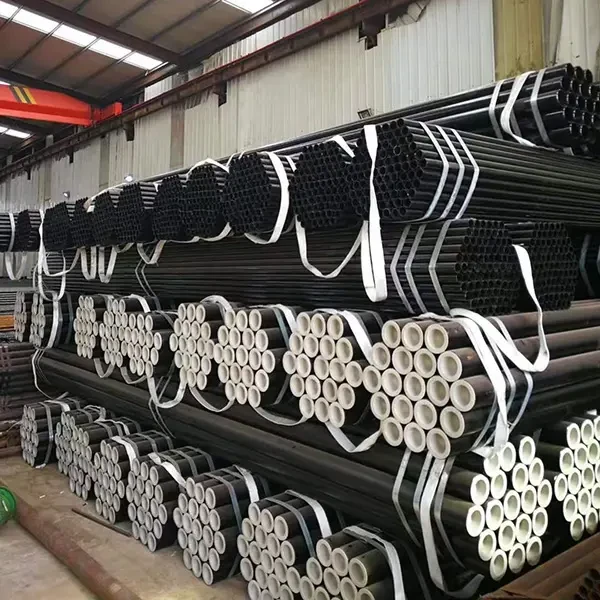
Galvanised metal pipe, typically steel, is a ubiquitous material in infrastructure, construction, and fluid transport systems. The galvanisation process, involving the application of a protective zinc coating, fundamentally alters the base metal’s corrosion resistance, extending its service life in aggressive environments. Its technical position within the industry chain resides as a critical component in plumbing, structural support, industrial piping, and increasingly, in renewable energy applications like ground-source heat pumps. Core performance characteristics are defined by its pressure rating, tensile strength, dimensional accuracy (influenced by manufacturing tolerances), and the longevity of the zinc coating – all of which dictate its suitability for specific applications. A key industry pain point revolves around achieving consistent coating thickness and adherence, ensuring long-term protection against corrosion, particularly in environments containing chlorides or acidic compounds. Another challenge lies in maintaining mechanical integrity during installation and operation, avoiding damage to the galvanised layer.
Material Science & Manufacturing
The base material for galvanised pipe is generally carbon steel, often ASTM A53 Grade B or similar, chosen for its strength and weldability. Its primary constituents are iron, carbon (typically less than 0.3%), manganese, silicon, and phosphorus. The mechanical properties – yield strength, tensile strength, and elongation – are heavily dependent on the carbon content and processing techniques like heat treatment. The galvanisation process itself is commonly performed via hot-dip galvanising, where the steel pipe is immersed in a bath of molten zinc (98% purity or higher). This creates a metallurgical bond, forming layers of zinc-iron alloy (zeta, gamma, delta, and epsilon phases) overlaid by a layer of pure zinc. Key parameters in hot-dip galvanising include bath temperature (around 450°C), immersion time, steel surface preparation (pickling to remove mill scale and oxides), and cooling rate. Electrolytic galvanising and sherardizing are alternative methods offering finer grain structure and more uniform coating thickness, but are typically used for smaller components. Chemical compatibility of the zinc coating is paramount; exposure to certain chemicals (e.g., strong acids, alkalis) can accelerate corrosion. The manufacturing process, including welding and threading, must be carefully controlled to avoid creating localized defects that compromise the protective layer. The quality of the steel surface directly impacts adhesion, necessitating thorough cleaning and pre-treatment before galvanisation.
Performance & Engineering
The performance of galvanised metal pipe is heavily influenced by its ability to withstand internal pressure, external loads, and environmental stressors. Force analysis, crucial in structural applications, considers tensile, compressive, bending, and torsional stresses. The pipe’s wall thickness and diameter are primary factors determining its pressure-bearing capacity, calculated using formulas derived from hoop stress theory (e.g., Barlow's formula). Environmental resistance centers on the corrosion protection afforded by the zinc coating. Zinc acts as a sacrificial anode, corroding preferentially to the steel, even if the coating is scratched or damaged. However, the rate of zinc corrosion is affected by factors like humidity, temperature, salt spray exposure, and the presence of pollutants. Compliance requirements vary by region and application. Plumbing systems must adhere to standards like NSF/ANSI 61 for drinking water safety, while structural applications require compliance with building codes (e.g., IBC, Eurocode). Functional implementation demands careful consideration of pipe joining methods (threaded, welded, flanged), ensuring leak-tightness and maintaining the integrity of the galvanised coating. Electrical conductivity, though often not a primary design concern, is higher in galvanised steel than in some alternative materials (e.g., plastic), which can be relevant in grounding applications.
Technical Specifications
| Parameter | ASTM A53 Grade B (Typical) | ASTM A153 (Hot-Dip Galvanising) | EN 10255 (Heavy Series) |
|---|---|---|---|
| Material | Carbon Steel | Zinc Coating (98% min. purity) | Carbon Steel |
| Yield Strength (MPa) | 250 | Not Applicable (Coating Spec) | 235 |
| Tensile Strength (MPa) | 400 | Not Applicable (Coating Spec) | 360 |
| Zinc Coating Thickness (μm) | N/A | 85 μm (Minimum, Average) | Variable, dependent on diameter |
| Outside Diameter (mm) | Variable (e.g., 21.3, 26.9, 33.7) | Dependent on Pipe Size | Variable (e.g., 21.3, 26.9, 33.7) |
| Wall Thickness (mm) | Variable (e.g., 2.6, 3.4, 4.0) | Dependent on Schedule | Variable (e.g., 2.6, 3.2, 3.7) |
Failure Mode & Maintenance
Galvanised metal pipe can experience several failure modes. Uniform corrosion of the zinc coating is the most common, occurring at a predictable rate in benign environments. However, localised corrosion – pitting, crevice corrosion, and galvanic corrosion – can accelerate failure, particularly in the presence of chlorides or dissimilar metals. Fatigue cracking can occur under cyclical loading, especially around welds or threaded connections. Hydrogen embrittlement, a less frequent but serious issue, arises from the reaction of zinc with acids, generating hydrogen gas that can diffuse into the steel and reduce its ductility. Mechanical damage during handling and installation (dents, scratches, coating damage) exposes the steel substrate to corrosion. Delamination of the zinc coating, caused by poor surface preparation or contamination, reduces its protective effectiveness. Maintenance primarily focuses on regular inspection for signs of corrosion, particularly in vulnerable areas. Damaged coatings should be repaired using zinc-rich paints or coatings. Periodic cleaning to remove dirt, debris, and corrosive substances can extend service life. Cathodic protection, while less common for piping systems, can be employed in critical applications to further mitigate corrosion. Avoiding mechanical stress and ensuring proper support are also essential preventative measures.
Industry FAQ
Q: What is the impact of thread sealant on the long-term corrosion resistance of galvanised pipe?
A: Certain thread sealants, particularly those containing chlorides or acetic acid, can accelerate corrosion of the zinc coating at threaded connections. It's crucial to use sealants specifically formulated for use with galvanised steel, ideally those that are pH neutral and chloride-free. PTFE-based tapes and non-metallic sealants are generally preferred to minimise galvanic corrosion.
Q: How does welding affect the galvanisation and what remedial actions are needed?
A: Welding destroys the zinc coating in the heat-affected zone. After welding, the affected area must be re-galvanised using methods like zinc-rich paint, cold galvanising compound, or localised hot-dip galvanising if feasible. The welding process itself should be optimised to minimise heat input and distortion.
Q: What are the limitations of galvanised pipe in high-temperature applications?
A: The zinc coating begins to degrade significantly at temperatures above 200°C. Prolonged exposure to high temperatures can lead to zinc evaporation and loss of corrosion protection. For high-temperature applications, alternative materials like stainless steel or alloy steels are recommended.
Q: Is galvanised pipe suitable for use with potable water systems, and are there any leaching concerns?
A: Yes, galvanised pipe is generally considered safe for potable water systems, provided it meets relevant standards like NSF/ANSI 61. However, some zinc may leach into the water, especially initially. The levels are typically within acceptable limits set by regulatory agencies. Regular flushing of the system can minimise zinc concentration.
Q: What is the difference between Schedule 40 and Schedule 80 galvanised pipe, and how does it impact performance?
A: Schedule 40 and Schedule 80 refer to the pipe wall thickness. Schedule 80 pipe has a thicker wall than Schedule 40, resulting in higher pressure-bearing capacity and greater resistance to mechanical damage. Schedule 80 is typically used in applications requiring higher strength and durability, whereas Schedule 40 is suitable for lower-pressure, less demanding systems.
Conclusion
Galvanised metal pipe remains a cost-effective and reliable solution for a wide range of fluid transport and structural applications. Its inherent corrosion resistance, conferred by the zinc coating, significantly extends its service life, reducing maintenance costs and enhancing long-term durability. However, achieving optimal performance necessitates a thorough understanding of the material science, manufacturing processes, and potential failure modes.
Proper selection of materials, adherence to industry standards, and diligent maintenance practices are crucial for ensuring the integrity and longevity of galvanised pipe systems. Future advancements in coating technologies, such as duplex systems combining galvanising with organic coatings, promise even greater corrosion protection and extended service life, solidifying its position as a foundational material in infrastructure development.
