Introduction
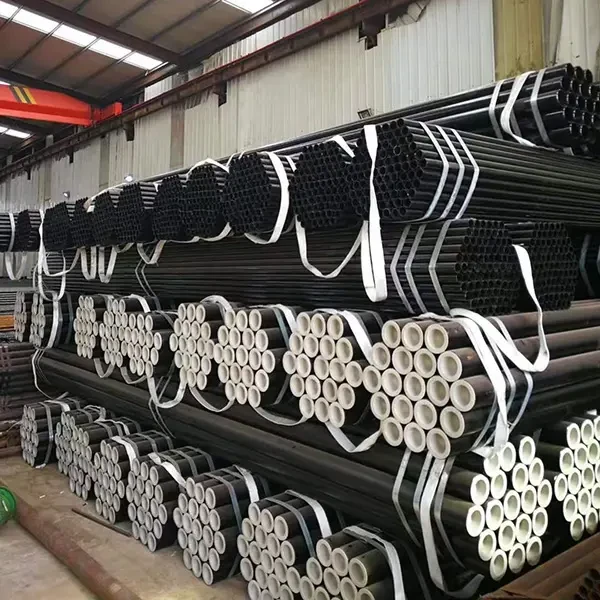
Galvanised metal tubing, predominantly steel, constitutes a critical component across numerous industrial sectors, including construction, plumbing, automotive, and agricultural applications. The galvanisation process – applying a protective zinc coating – is central to its widespread adoption, providing robust corrosion resistance significantly exceeding that of bare steel. Within the industry supply chain, galvanised tubing occupies a position downstream of steel production and zinc refining, representing a value-added intermediate product. Core performance characteristics hinge upon mechanical strength (yield and tensile strength), dimensional accuracy (wall thickness and diameter), formability (bending radius), and, most importantly, the longevity of the zinc protective layer. This guide provides a comprehensive technical analysis of galvanised metal tubing, encompassing material science, manufacturing processes, performance parameters, failure modes, and relevant industry standards.
Material Science & Manufacturing
The base material for galvanised tubing is typically carbon steel, specified according to standards like ASTM A53 Grade B or EN 10255. The steel composition influences weldability, formability and mechanical properties. Common grades utilize varying levels of carbon (typically <0.30%), manganese (0.50-1.35%), and silicon (0.05-0.40%). The manufacturing process begins with the formation of the tube, typically through either Electric Resistance Welding (ERW) or seamless extrusion. ERW involves forming steel strip into a cylindrical shape and welding the seam using high-frequency electric current. Seamless tubing is created by piercing a solid billet and drawing it through dies to achieve the desired dimensions. Following tube formation, surface preparation is critical for galvanisation. This involves pickling with hydrochloric or sulfuric acid to remove mill scale and rust, followed by fluxing to promote zinc adhesion. The galvanisation process itself is commonly performed via hot-dip galvanising – immersing the steel tubing in a bath of molten zinc (98% purity or higher) at temperatures around 450-460°C. The reaction between the iron in the steel and the zinc creates a series of metallurgical layers: Gamma, Delta, Zeta, and Eta phases. Parameter control during hot-dip galvanising is paramount – bath temperature, immersion time, and cooling rate directly influence the coating thickness, uniformity, and metallurgical structure. Post-galvanisation treatments, such as chromate conversion coatings, can further enhance corrosion resistance, although environmental regulations are increasingly restricting chromate use, leading to the adoption of alternative passivation treatments.
Performance & Engineering
The performance of galvanised metal tubing is intrinsically linked to its structural integrity and resistance to environmental degradation. Force analysis considers both internal pressure (in fluid conveyance applications) and external loads (bending, compression, torsion). Yield strength, determined by tensile testing (ASTM E8), dictates the load-bearing capacity before permanent deformation. Wall thickness is a primary factor influencing both strength and weight. Corrosion resistance is governed by the zinc coating’s thickness and the underlying metallurgical structure. The zinc layer acts as a barrier, physically preventing contact between the steel substrate and corrosive elements. More importantly, it provides galvanic protection – the zinc corrodes preferentially, sacrificing itself to protect the steel. This sacrificial action is critical in environments with scratches or breaches in the zinc coating. Environmental resistance extends beyond corrosion to include resistance to UV radiation (which can degrade certain coating types) and temperature fluctuations (affecting thermal expansion and contraction). Compliance requirements vary by application and geography. For potable water systems, tubing must meet standards like NSF/ANSI 61, ensuring that the zinc coating does not leach harmful substances into the water. Building codes (IBC, UBC) dictate allowable stresses, load combinations, and fire resistance ratings for structural applications. Furthermore, the quality of the galvanised coating must adhere to standards like ASTM A123 or ISO 2081, specifying coating weight, thickness, and uniformity.
Technical Specifications
| Parameter | ASTM A53 Grade B (Typical) | EN 10255 (S235JR) | Hot-Dip Galvanising (Typical) |
|---|---|---|---|
| Yield Strength (MPa) | 250 | 235 | N/A (Coating Property) |
| Tensile Strength (MPa) | 400 | 360 | N/A (Coating Property) |
| Zinc Coating Thickness (µm) | N/A | N/A | 55-85 (depending on immersion time) |
| Wall Thickness (mm) | 2-12 (range) | 2-12 (range) | Dependent on base tube thickness |
| Outer Diameter (mm) | 1/2" - 6" (range) | 1/2" - 6" (range) | Dependent on base tube diameter |
| Corrosion Resistance (Salt Spray Test - hours) | <50 (without galvanising) | <50 (without galvanising) | >1000 |
Failure Mode & Maintenance
Galvanised metal tubing, despite its corrosion resistance, is susceptible to several failure modes. Uniform corrosion occurs when the zinc coating is depleted over time, exposing the underlying steel. However, more common failure mechanisms include localised corrosion – pitting, crevice corrosion, and galvanic corrosion. Pitting arises from defects in the coating or the presence of chloride ions. Crevice corrosion develops in shielded areas with stagnant moisture. Galvanic corrosion occurs when the galvanised steel is in contact with a more noble metal in the presence of an electrolyte. Mechanical failure modes include fatigue cracking (due to cyclic loading), denting (from impact), and weld defects (if welding is performed after galvanisation – pre-galvanising is preferred). Hydrogen embrittlement, a phenomenon where hydrogen diffuses into the steel during pickling, can reduce ductility and promote cracking. Maintenance practices significantly extend the service life of galvanised tubing. Regular inspections are crucial to identify early signs of corrosion or damage. Damaged coatings should be repaired with zinc-rich paints or coatings. Avoiding contact with dissimilar metals, particularly in wet environments, minimizes galvanic corrosion. Proper drainage and ventilation prevent moisture accumulation. For applications exposed to harsh chemicals, periodic cleaning and re-coating may be necessary. For underground pipelines, cathodic protection systems are often employed to supplement the galvanised coating’s protective action.
Industry FAQ
Q: What is the impact of formability on the galvanised coating?
A: Forming operations like bending or flaring after galvanisation can induce cracking or spalling of the zinc coating, particularly in areas of high strain. The coating is brittle and doesn’t readily deform with the steel. Therefore, it is generally recommended to perform all forming operations prior to galvanisation. If post-galvanisation forming is unavoidable, low-ductility coatings should be avoided, and localized repair coatings should be applied to damaged areas.
Q: How does weldability change with galvanised tubing?
A: Welding galvanised tubing requires careful consideration due to the potential for zinc fumes and the formation of brittle intermetallic compounds. Zinc fumes are hazardous and necessitate adequate ventilation. The galvanised coating must be removed in the weld area to ensure proper fusion. Post-weld, the exposed steel must be re-galvanised using a zinc-rich paint or a local galvanising technique to restore corrosion protection.
Q: What is the effect of different pickling acids on the galvanising process?
A: Both hydrochloric (HCl) and sulfuric (H2SO4) acids are used for pickling, but they can affect the surface characteristics and, consequently, the galvanising adhesion. HCl is faster but can leave chloride residues, potentially promoting pitting corrosion. H2SO4 is slower but generally results in a cleaner surface and better adhesion. The acid concentration, temperature, and immersion time must be carefully controlled regardless of the acid used.
Q: What are the limitations of galvanising in highly acidic or alkaline environments?
A: While galvanised coatings provide excellent corrosion resistance in many environments, they are susceptible to attack by strong acids and alkalis. Acids dissolve the zinc coating, while alkalis can form soluble zincates, accelerating corrosion. The rate of degradation depends on the concentration, temperature, and exposure duration. In such environments, alternative coatings (e.g., epoxy, polyurethane) or materials (e.g., stainless steel) may be more appropriate.
Q: How does coating thickness relate to service life expectancy?
A: Generally, a thicker zinc coating provides longer corrosion protection. The relationship isn't linear, but a doubling of coating thickness typically increases service life significantly. Coating thickness is directly related to the immersion time during the hot-dip galvanising process. Standards like ASTM A123 define minimum coating weight requirements based on expected service conditions (rural, urban, marine).
Conclusion
Galvanised metal tubing remains a cornerstone material in various industries due to its combination of mechanical strength, cost-effectiveness, and – crucially – its robust corrosion resistance conferred by the zinc coating. Understanding the intricacies of the material science underpinning the galvanisation process, from steel composition to metallurgical layer formation, is essential for specifying the correct tubing grade for a given application. Careful control over manufacturing parameters, coupled with diligent maintenance practices, is critical to maximising service life and preventing premature failure.
Future developments in galvanising technology focus on reducing environmental impact – minimising chromate usage and optimising zinc bath chemistry – while simultaneously enhancing coating performance. The increasing demand for sustainable materials and longer-lasting infrastructure will continue to drive innovation in galvanised tubing, solidifying its role as a key component in modern engineering projects.
