Introduction
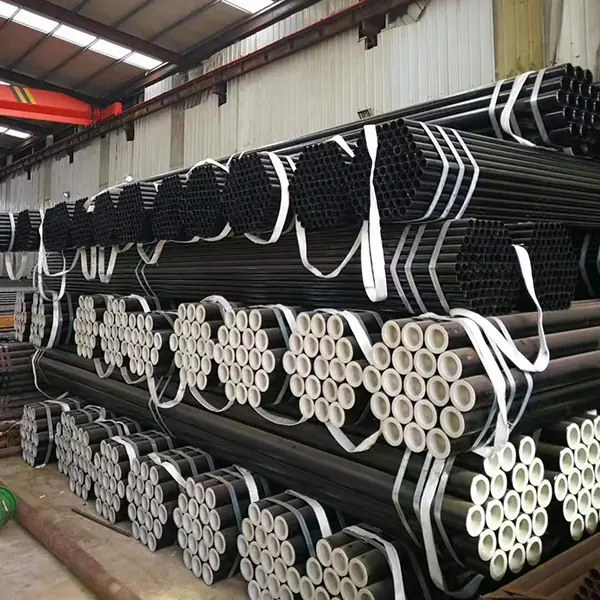
Galvanized 1 1/4 inch pipe refers to carbon steel pipe that has been hot-dip galvanized, a process of coating steel with zinc to prevent rusting. This diameter, corresponding to a nominal pipe size (NPS) of 1.25 inches, is commonly used in various industrial, plumbing, and structural applications. Within the industrial chain, galvanized pipe occupies a critical intermediary position, bridging steel manufacturing with end-use applications like fluid transfer, structural support, and sprinkler systems. Core performance characteristics include corrosion resistance, structural integrity, and pressure handling capability. The prevalence of galvanized steel piping stems from its cost-effectiveness compared to alternative corrosion-resistant materials like stainless steel or specialized alloys, particularly in environments where complete protection from highly aggressive chemicals isn't required. However, understanding the limitations of galvanization, particularly concerning longevity in specific environments and potential for zinc coating degradation, is critical for ensuring long-term operational reliability.
Material Science & Manufacturing
The base material for 1 1/4 inch galvanized pipe is typically carbon steel, commonly ASTM A53 Grade B or ASTM A106 Grade B. These steels possess specific mechanical properties – yield strength ranging from 36,000 to 58,000 psi and tensile strength ranging from 60,000 to 80,000 psi – crucial for withstanding internal pressure and external loads. The galvanizing process itself involves immersing the steel pipe in a molten zinc bath (typically 98% pure zinc) after a series of cleaning and pre-treatment steps. These pre-treatment steps are critical: they include pickling with hydrochloric acid to remove mill scale and rust, followed by fluxing with zinc chloride to promote zinc adhesion. The metallurgical reaction during hot-dip galvanization forms a series of zinc-iron alloy layers, providing a barrier against corrosion. The thickness of the zinc coating is a key parameter, generally specified in terms of weight per unit area (e.g., G90, G100 – representing 0.90 and 1.00 ounces of zinc per square foot, respectively). Manufacturing considerations include precise control of the steel's chemical composition, consistent pipe wall thickness (maintained through controlled forming and welding processes), and thorough inspection for defects before galvanization. Welding, if used in pipe production, must adhere to standards like AWS D1.1, ensuring weld integrity and minimizing corrosion initiation points.
Performance & Engineering
Performance of galvanized 1 1/4 pipe is governed by several engineering considerations. First, pressure ratings depend on pipe wall thickness and material strength, calculated according to ASME B31.1 (Power Piping) or ASME B31.3 (Process Piping) standards. These standards dictate maximum allowable working pressure (MAWP) based on hydrostatic testing and material properties. External loads, such as those from suspended piping systems or soil pressure in buried applications, necessitate structural analysis to prevent bending or buckling. Galvanic corrosion is a significant concern when galvanized pipe is connected to dissimilar metals (e.g., copper, aluminum) in the presence of an electrolyte. Dielectric unions or other isolation techniques are required to mitigate this effect. Environmental resistance is limited by the operating pH; galvanized steel is susceptible to accelerated corrosion in acidic or alkaline environments. In marine environments, chloride-induced pitting corrosion is a major failure mechanism. Coating failures, such as scratches or impact damage, expose the underlying steel to corrosion. Engineering design must consider these factors, specifying appropriate coatings (e.g., epoxy coatings over galvanization) or alternative materials in harsh environments. Compliance requirements vary by application and location, often referencing local plumbing codes and safety regulations.
Technical Specifications
| Parameter | Specification (Typical) | Test Method | Units |
|---|---|---|---|
| Nominal Pipe Size | 1.25 inch (1 1/4 inch) | Measurement | inch |
| Wall Thickness | Schedule 40: 0.154 inch, Schedule 80: 0.218 inch | Measurement | inch |
| Material | ASTM A53 Grade B Carbon Steel | Chemical Analysis | - |
| Zinc Coating Thickness | G90: 0.90 oz/ft², G100: 1.00 oz/ft² | ASTM A123 | oz/ft² |
| Yield Strength (Steel) | 36,000 - 58,000 | ASTM A53 | psi |
| Tensile Strength (Steel) | 60,000 - 80,000 | ASTM A53 | psi |
Failure Mode & Maintenance
Common failure modes for galvanized 1 1/4 pipe include uniform corrosion (due to zinc depletion and subsequent steel corrosion), pitting corrosion (accelerated by chlorides), galvanic corrosion (at dissimilar metal connections), and thread galling (during assembly/disassembly). Fatigue cracking can occur under cyclic loading conditions, particularly at stress concentrators like welds or threaded joints. Delamination of the zinc coating, often initiated by impact damage or poor surface preparation, exposes the underlying steel. Crevice corrosion can develop in shielded areas where moisture and contaminants accumulate. Maintenance practices should focus on regular inspection for signs of corrosion (rust, blistering of the coating). Damaged coatings should be repaired with zinc-rich paint or re-galvanization. Properly torquing threaded connections prevents galling and ensures a leak-tight seal. Periodic hydrostatic testing verifies the pipe's structural integrity. In corrosive environments, cathodic protection (using sacrificial anodes) can extend the pipe's service life. Preventative maintenance, including regular cleaning to remove debris and contaminants, also helps mitigate corrosion risks. Replacing sections exhibiting significant corrosion is crucial to prevent catastrophic failure.
Industry FAQ
Q: What is the expected service life of galvanized pipe in a freshwater plumbing application?
A: In freshwater plumbing, a properly installed and maintained galvanized pipe system can have a service life of 40-50 years. However, this lifespan is significantly reduced in water with high acidity or alkalinity, or in areas with hard water that leads to scale buildup. Scale can accelerate corrosion under the scale deposits.
Q: How does the galvanizing process affect the pipe's weldability?
A: The galvanizing process can impact weldability. The zinc coating must be completely removed before welding to avoid zinc fumes (which are hazardous) and potential weld defects. Furthermore, the galvanized layer alters the carbon content near the surface, potentially affecting weld metal composition. Post-weld galvanizing is possible, but requires cleaning and re-coating.
Q: What are the limitations of galvanized pipe when used in high-temperature applications?
A: Galvanized pipe is generally not recommended for sustained high-temperature applications (above 150°F / 66°C). At elevated temperatures, the zinc coating can rapidly degrade, and the steel substrate can experience accelerated corrosion. The zinc can also react with some fluids at higher temperatures, leading to corrosion byproducts.
Q: Is galvanized pipe suitable for use with potable water systems?
A: Galvanized pipe can be used with potable water systems, but there are concerns about lead contamination from the lead used in the galvanizing process historically. Modern galvanizing processes minimize lead content, but it is critical to verify compliance with relevant standards like NSF/ANSI 61. Scale buildup can also affect water quality and flow rate.
Q: What is the difference between Schedule 40 and Schedule 80 galvanized pipe?
A: Schedule 40 and Schedule 80 refer to the pipe wall thickness. Schedule 80 pipe has a thicker wall than Schedule 40, providing higher pressure-handling capability and increased structural strength. Schedule 80 is typically used for applications requiring higher pressure ratings or greater resistance to mechanical damage. The numbers are dimensionless and relate to an internal diameter based on a specific formula.
Conclusion
Galvanized 1 1/4 inch pipe remains a widely utilized material in a diverse range of industries due to its balance of cost, corrosion resistance, and mechanical properties. Understanding the underlying material science – the steel composition and the galvanization process – is paramount for effective application. Proper consideration of potential failure modes, including corrosion, fatigue, and galvanic effects, alongside diligent maintenance practices, are essential for maximizing service life and ensuring operational reliability.
Future trends indicate a growing demand for more sustainable and durable corrosion protection solutions. This may lead to increased adoption of alternative coatings (e.g., epoxy, polyethylene) in conjunction with galvanization, or a shift towards more corrosion-resistant alloy materials. Furthermore, advancements in non-destructive testing (NDT) methods will enable more accurate assessment of coating integrity and early detection of corrosion, contributing to improved asset management and reduced lifecycle costs.
