Introduction
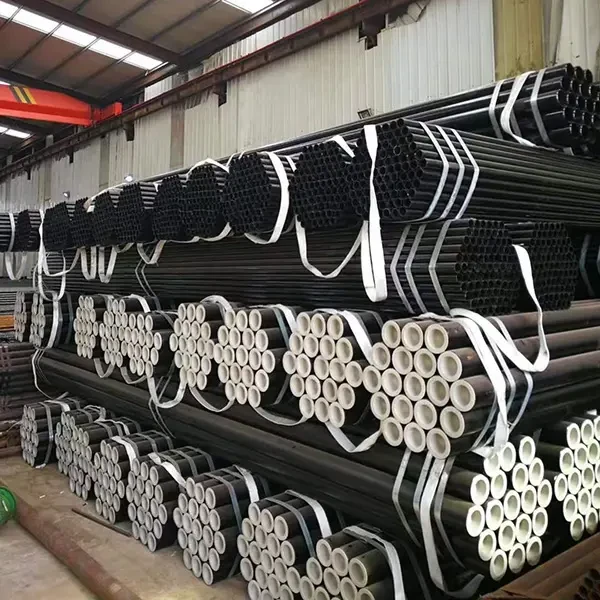
Galvanized corrugated pipe is a formed, flexible tube constructed from steel sheet, subsequently coated with a zinc layer through hot-dip galvanization. It serves as a crucial conduit for electrical wiring, cable management, and increasingly, for protective housing in various industrial applications. Positioned within the broader landscape of conduit systems – alongside rigid metal conduit (RMC), electrical metallic tubing (EMT), and PVC conduit – galvanized corrugated pipe distinguishes itself through its combination of cost-effectiveness, ease of installation, and inherent mechanical protection. Its core performance characteristics center on its shielding capabilities against physical damage, its resistance to corrosion, and its grounding functionality. A significant pain point in the industry revolves around maintaining consistent zinc coating thickness for long-term corrosion resistance, alongside ensuring adequate mechanical strength to withstand installation stresses and operational loads. Galvanized corrugated pipe addresses this need, offering a balance between these critical parameters.
Material Science & Manufacturing
The primary raw material is low-carbon steel, typically conforming to ASTM A653 or equivalent standards (EN 10209 in Europe, GB/T 3091 in China). The steel’s composition influences formability during corrugation. Common grades include ASTM A653 Grade 33 and Grade 40, denoting minimum yield strengths. The galvanization process itself is critical. Hot-dip galvanizing involves immersing the formed steel pipe in a molten zinc bath, creating a metallurgical bond. The resulting coating comprises layers: Gamma, Zeta, Delta, and Eta phases. The Zeta phase, an alloy of iron and zinc, is crucial for adhesion and corrosion resistance. Manufacturing commences with slitting the steel coil to the desired width. This is followed by a corrugation process, typically using roll forming equipment. Key parameters during corrugation include roll pressure, feed rate, and the geometry of the corrugation profiles (typically sinusoidal or helical). Maintaining consistent corrugation depth and pitch is vital for structural integrity. Post-corrugation, a quality control check is performed to verify dimensions and coating thickness. Zinc coating thickness is measured using non-destructive methods like magnetic induction, aiming for a typical range of 120-180 g/m2 (equivalent to approximately 1.5-2.2 mils) to meet ASTM A53 standards.
Performance & Engineering
The performance of galvanized corrugated pipe is dictated by its mechanical strength, corrosion resistance, and electrical grounding characteristics. Force analysis is critical during installation, particularly when bending and connecting sections. The pipe must withstand bending moments without collapsing or fracturing. Corrugation profile and steel grade significantly influence bending radius. Environmental resistance is paramount, especially in corrosive atmospheres. The zinc coating acts as a barrier, protecting the underlying steel from oxidation. However, zinc is susceptible to corrosion itself, particularly in the presence of chlorides or acidic pollutants. Proper coating thickness and maintenance are essential. Electrical grounding performance relies on the continuous metallic path provided by the steel pipe and its connections. Fittings must be metallic and securely fastened to ensure low electrical resistance. Compliance requirements vary regionally. In North America, the National Electrical Code (NEC) governs the installation and use of electrical conduits. In Europe, IEC standards and national wiring regulations apply. Stress corrosion cracking is a potential failure mode, particularly in high-stress environments combined with corrosive media. Selecting appropriate fittings and ensuring proper support spacing mitigates this risk.
Technical Specifications
| Diameter (inches) | Wall Thickness (mm) | Zinc Coating Thickness (g/m2) | Tensile Strength (MPa) |
|---|---|---|---|
| 0.5 | 0.5 | 150 | 400 |
| 0.75 | 0.6 | 180 | 420 |
| 1.0 | 0.7 | 180 | 450 |
| 1.25 | 0.8 | 200 | 480 |
| 1.5 | 0.9 | 220 | 500 |
| 2.0 | 1.0 | 250 | 520 |
Failure Mode & Maintenance
Common failure modes include corrosion, mechanical damage (impact, crushing), and connection failures. Corrosion manifests as rust formation, gradually weakening the pipe. The rate of corrosion depends on environmental conditions, zinc coating thickness, and the presence of dissimilar metals (leading to galvanic corrosion). Mechanical damage occurs during installation or operation, often due to accidental impacts or excessive loads. Connection failures can result from loose fittings, improper bonding, or corrosion at the connection points. Fatigue cracking can also occur under cyclic loading, especially at bends or stress concentrations. Maintenance involves periodic inspection for corrosion, damage, and loose connections. Damaged areas should be repaired with zinc-rich paint or replaced. Connections should be tightened periodically. In highly corrosive environments, supplemental corrosion protection measures, such as applying a protective coating over the galvanized surface, may be necessary. Regular cleaning to remove debris and contaminants also prolongs the service life. A critical failure analysis point is localized coating defects; pinholes or scratches can initiate corrosion even with an otherwise adequate overall coating thickness.
Industry FAQ
Q: What is the primary difference between galvanized corrugated pipe and EMT conduit in terms of corrosion resistance?
A: While both offer corrosion resistance, galvanized corrugated pipe generally exhibits superior resistance in harsh environments due to the sacrificial protection provided by the zinc coating. EMT, being a pre-galvanized or painted steel conduit, relies solely on the integrity of its coating, which can be compromised more easily by scratches or abrasions.
Q: How does the corrugation pattern affect the bending radius of the pipe?
A: A tighter corrugation pattern generally allows for a smaller bending radius without collapsing the pipe. The spacing and depth of the corrugations directly impact the pipe’s flexibility and its ability to conform to curves during installation.
Q: What is the significance of the zinc coating weight (g/m2) specification?
A: The zinc coating weight directly correlates to the level of corrosion protection. A higher coating weight indicates a thicker zinc layer, providing longer-lasting protection against rust and corrosion. Industry standards specify minimum coating weights to ensure adequate service life.
Q: Can galvanized corrugated pipe be used for direct burial applications?
A: Generally, no. While galvanized, direct burial requires significantly higher levels of corrosion protection, often necessitating supplemental coatings or the use of materials specifically designed for underground applications like PVC or HDPE conduit. Standard galvanized corrugated pipe isn’t sufficiently protected for long-term direct burial.
Q: What types of fittings are compatible with galvanized corrugated pipe, and what considerations should be made for electrical continuity?
A: Metallic fittings, specifically designed for galvanized corrugated pipe, are required. These fittings must be securely tightened to ensure a continuous electrical path for grounding. Using dielectric unions is essential when connecting to dissimilar metals to prevent galvanic corrosion. Set-screw or compression fittings are commonly used.
Conclusion
Galvanized corrugated pipe remains a cost-effective and versatile conduit solution, offering a balance of mechanical protection, corrosion resistance, and ease of installation. Its performance is fundamentally tied to the quality of the steel substrate, the integrity of the zinc coating, and the adherence to established installation practices. The ongoing demand for reliable cable management and protection across various industries ensures its continued relevance.
Future developments may focus on enhancing corrosion resistance through improved galvanization techniques, such as zinc-nickel alloys, and exploring alternative coating materials. Furthermore, advancements in fitting designs will likely prioritize simplified installation and improved electrical continuity, addressing key industry pain points. Understanding the material science, manufacturing processes, and potential failure modes of galvanized corrugated pipe is crucial for ensuring long-term performance and minimizing lifecycle costs.
