
Introduction
Galvanized pipe for airline applications refers to steel piping that has been coated with a layer of zinc to provide corrosion resistance. Within the industrial fluid power and compressed air systems chain, galvanized pipe typically serves as a rigid conduit for delivering compressed air from a central compressor to pneumatic tools, machinery, and control systems. Its primary performance characteristic is maintaining air pressure integrity while resisting internal corrosion from moisture and external corrosion from the environment. While traditionally a common material, its use is increasingly scrutinized against alternatives like aluminum, stainless steel, and polyethylene tubing due to concerns surrounding zinc flaking, potential corrosion product contamination of air lines, and evolving safety regulations. The choice of galvanized steel vs. alternatives hinges on cost, durability requirements, and the criticality of air purity in the specific application. Critical performance metrics include pressure rating, internal diameter for flow capacity, and zinc coating thickness.
Material Science & Manufacturing
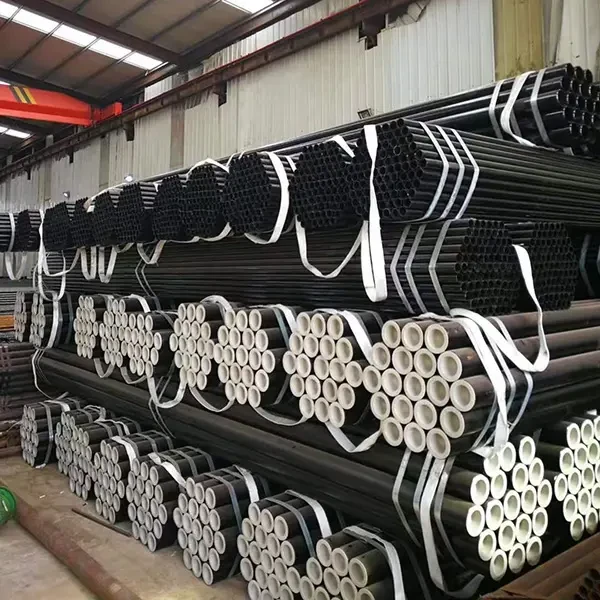
The base material for galvanized pipe is typically carbon steel, commonly ASTM A53 Grade B, possessing good tensile strength and weldability. The galvanizing process, most frequently hot-dip galvanizing, involves immersing the steel pipe in a molten zinc bath (typically 98% pure zinc) after surface preparation. Surface preparation is crucial, encompassing pickling (acid cleaning to remove mill scale), fluxing (applying a chemical to promote zinc adhesion), and rinsing. The zinc coating forms a metallurgically bonded layer consisting of zinc-iron alloy layers and an outer layer of pure zinc. The coating thickness is a critical parameter, generally measured in ounces per square foot (oz/ft²) or grams per square meter (g/m²). Common coating classes range from G90 (0.9 oz/ft²) to G165 (1.65 oz/ft²). Manufacturing processes beyond galvanizing include seam welding for larger diameter pipes, threading for joining, and potentially applying protective coatings to the threaded ends to prevent corrosion in those areas. Parameter control during hot-dip galvanizing – specifically bath temperature, immersion time, and cooling rate – directly impacts coating thickness, uniformity, and adhesion. The chemical composition of the steel affects the alloy layer formation. The presence of silicon in the steel, for instance, can lead to a thicker alloy layer, potentially reducing ductility.
Performance & Engineering
The performance of galvanized pipe in airline applications is dictated by its ability to withstand internal pressure, resist corrosion, and maintain structural integrity over time. Force analysis focuses on hoop stress resulting from internal air pressure, calculated using Barlow's formula: S = (P D) / (2 t), where S is hoop stress, P is internal pressure, D is pipe diameter, and t is wall thickness. This dictates minimum wall thickness requirements based on the maximum operating pressure of the air system. Environmental resistance is primarily a function of the zinc coating’s ability to act as a barrier and sacrificial anode. However, in humid environments, the formation of zinc carbonates (white rust) can accelerate corrosion. Galvanized steel’s susceptibility to galvanic corrosion when in contact with dissimilar metals (e.g., copper or aluminum) requires the use of dielectric unions or fittings. Compliance requirements, particularly regarding air quality, are increasingly stringent. The potential for zinc flaking and subsequent contamination of the air stream is a major concern, especially in applications where compressed air is used in food processing, pharmaceuticals, or sensitive manufacturing processes. Furthermore, adherence to ASME B31.3 (Process Piping) is crucial for ensuring safe design, fabrication, and operation of compressed air piping systems. Static electricity build-up, particularly with high air flow rates, needs mitigation through grounding of the piping system to prevent ignition hazards in potentially flammable environments.
Technical Specifications
| Parameter | Standard Specification (ASTM A53 Grade B, Galvanized) | Typical Range (Airline Application) | Units |
|---|---|---|---|
| Nominal Pipe Size | 1/2" to 6" | 1/4" to 2" | inches |
| Schedule | 40, 80 | 40 | - |
| Minimum Wall Thickness | Varies with Size & Schedule | 0.083" (1/4") to 0.154" (2") - Schedule 40 | inches |
| Yield Strength (Steel) | ≥36,000 psi | 36,000 - 50,000 psi | psi |
| Zinc Coating Thickness | G90 to G165 | G90 - G165 (Application Dependent) | oz/ft² |
| Maximum Operating Pressure | Varies with Size, Schedule & Temperature | Typically < 150 psi | psi |
Failure Mode & Maintenance
Galvanized pipe failures in airline systems commonly manifest as corrosion-induced leaks, often initiated at threaded connections or areas with damaged zinc coatings. Fatigue cracking can occur due to cyclical pressure fluctuations, particularly at welds or sharp bends. Crevice corrosion is prevalent under gaskets and seals. Zinc flaking, while not a structural failure, contaminates the air stream and degrades air quality. White rust formation accelerates corrosion rates. Hydrogen embrittlement, although less common, can occur in high-strength steel pipes exposed to humid environments. Maintenance strategies include regular visual inspection for corrosion, particularly at joints and susceptible areas. Periodic internal inspection using borescope cameras can detect early signs of corrosion or blockages. Compressed air filters are crucial to remove particulate matter and moisture, minimizing corrosion potential. If corrosion is detected, localized repair (e.g., patching) may be possible for minor damage, but complete replacement is often the most reliable solution. Consideration should be given to applying corrosion inhibitors to the internal pipe surface to slow down corrosion. Avoid using pipe dope containing copper, as it accelerates galvanic corrosion. Prevent physical damage to the zinc coating during installation and maintenance. Periodic testing of air quality to check for zinc contamination is recommended.
Industry FAQ
Q: What is the primary disadvantage of using galvanized steel pipe in a critical compressed air application, like supplying air to sensitive electronic equipment?
A: The primary disadvantage is the potential for zinc flaking to contaminate the air stream. Zinc particles can cause corrosion of sensitive electronic components, leading to malfunction or failure. Furthermore, even small amounts of zinc dust can affect the performance of certain pneumatic instruments requiring very clean, dry air.
Q: How does the zinc coating prevent corrosion, and why isn't it a permanent solution?
A: The zinc coating provides corrosion protection through two mechanisms: it acts as a barrier, preventing corrosive substances from reaching the steel, and it functions as a sacrificial anode, corroding in preference to the steel. However, it isn’t permanent because zinc corrodes over time, especially in acidic or humid environments. The sacrificial protection diminishes as the zinc coating is consumed.
Q: What steps can be taken to mitigate galvanic corrosion when connecting galvanized pipe to other metal components in an airline system?
A: Galvanic corrosion can be mitigated by using dielectric unions or fittings to electrically isolate the dissimilar metals. Applying a protective coating (e.g., epoxy) to the connection points can also help. Ensure proper grounding of the entire system to minimize potential differences.
Q: What is the typical lifespan of a properly maintained galvanized steel airline system?
A: The lifespan varies significantly based on environmental conditions and maintenance practices, but a properly maintained system can last 20-30 years. However, systems in harsh environments (e.g., coastal areas, high humidity) will have a shorter lifespan. Regular inspection and proactive maintenance are key.
Q: Are there alternative pipe materials that offer better corrosion resistance and air quality compared to galvanized steel?
A: Yes, aluminum, stainless steel (304 or 316), and polyethylene (PE) tubing are common alternatives. Aluminum offers excellent corrosion resistance, but may be susceptible to pitting. Stainless steel provides superior corrosion resistance and air purity, but is more expensive. PE tubing is lightweight and corrosion-resistant but has lower pressure ratings and can be more vulnerable to physical damage.
Conclusion
Galvanized pipe, while historically prevalent in airline systems, presents a complex trade-off between cost-effectiveness and potential drawbacks related to corrosion and air quality. Its performance is governed by the integrity of the zinc coating, the underlying steel’s properties, and the operational environment. Proper material selection, meticulous installation, and consistent maintenance are critical for maximizing lifespan and minimizing failures. The ongoing shift towards more stringent air quality standards and the availability of increasingly competitive alternative materials necessitate a thorough evaluation of galvanized pipe’s suitability for each specific application.
Ultimately, the decision to utilize galvanized pipe should be based on a comprehensive risk assessment, considering the criticality of air purity, the potential for corrosion in the operating environment, and the long-term cost of ownership. While galvanized steel remains a viable option for less demanding applications, alternatives like stainless steel or aluminum are often preferable in scenarios where air quality is paramount or long-term durability is essential. Continued advancements in coating technologies and material science will likely shape the future of airline piping systems.
