Introduction
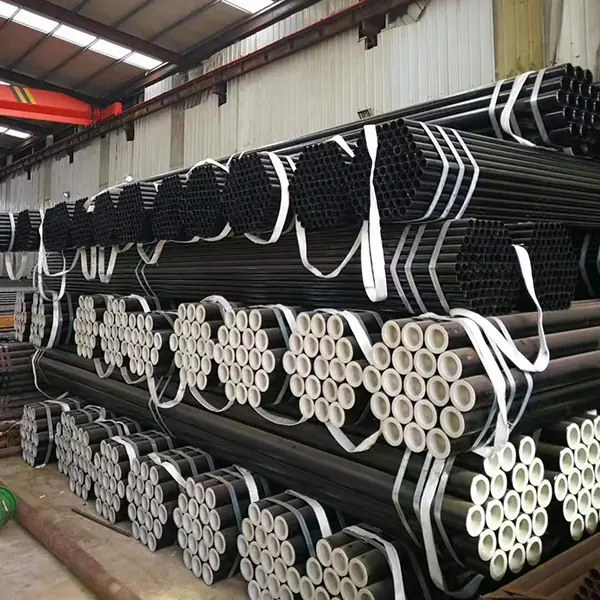
Galvanized pipe for water line refers to steel pipe coated with a layer of zinc through a process called galvanization. This coating provides corrosion resistance, protecting the steel substrate from the damaging effects of water and environmental factors. Historically, galvanized steel pipe was a dominant material for potable water distribution systems. While now often superseded by materials like PEX and CPVC in residential applications, galvanized steel remains prevalent in existing infrastructure and continues to be utilized in certain industrial and commercial water systems, particularly where mechanical strength and threadability are critical. Its primary function is to safely convey potable water, but it is also employed in fire suppression systems, and certain industrial fluid transfer applications. The longevity and reliability of galvanized pipe are directly tied to the quality of the zinc coating, the water chemistry, and proper installation techniques. Understanding its material properties, manufacturing processes, performance characteristics, and potential failure modes is paramount for ensuring long-term system integrity.
Material Science & Manufacturing
The base material for galvanized pipe is typically carbon steel, conforming to standards like ASTM A53 Grade B or A53 Grade A. This steel is selected for its strength, ductility, and weldability. The galvanization process, most commonly hot-dip galvanizing, involves immersing the steel pipe in a bath of molten zinc. Prior to galvanization, the steel undergoes rigorous surface preparation, including pickling (acid cleaning to remove mill scale and rust), fluxing (application of a chemical to promote zinc adhesion), and drying. Hot-dip galvanizing creates a metallurgical bond between the zinc coating and the steel substrate, resulting in a robust, multi-layered protective barrier. The zinc coating consists of several layers: the Gamma layer (pure zinc), the Zeta layer (zinc-iron alloy), the Delta layer (zinc-iron alloy), and the Eta layer (iron-zinc alloy). The thickness of the zinc coating is typically specified in terms of coating weight (e.g., Z23, Z40, Z60), representing the amount of zinc per unit area. Electrogalvanizing is an alternative method that uses an electrolytic process to deposit a thinner, more uniform zinc coating. Manufacturing also includes threading the pipe ends to facilitate joining using threaded fittings. Quality control measures during manufacturing include coating thickness inspection, adhesion testing, and hydrostatic pressure testing to ensure structural integrity.

Performance & Engineering
The performance of galvanized pipe in water line applications hinges on several key engineering considerations. The primary function is to withstand internal hydrostatic pressure, which is dictated by the water supply system's operating pressure and potential surge pressures. Pipe wall thickness is engineered to meet these pressure requirements, adhering to standards like ASME B31.1 for power piping. Corrosion resistance is paramount; the zinc coating acts as a sacrificial anode, corroding preferentially to the steel substrate, thereby protecting it. However, the effectiveness of this cathodic protection is influenced by the pH of the water. Highly acidic or alkaline water can accelerate zinc corrosion. Galvanic corrosion can occur when galvanized pipe is directly connected to dissimilar metals (e.g., copper) in the presence of an electrolyte (water). Dielectric unions or insulating fittings are employed to mitigate this risk. The thermal expansion and contraction of steel must also be accounted for in system design, particularly in long runs of pipe. Expansion loops or flexible couplings are used to accommodate these movements and prevent stress on joints. Threaded connections are subject to stress corrosion cracking, especially in chloride-rich environments. Proper thread sealant application and torque control are essential for maintaining leak-free joints. Finally, the weight of the pipe itself is an engineering consideration, impacting support requirements and installation procedures.
Technical Specifications
| Parameter | ASTM A53 Grade B (Typical) | ASTM A120 (Electrogalvanized) | Units |
|---|---|---|---|
| Nominal Pipe Size | 1/2" - 6" | 1/2" - 4" | inches |
| Wall Thickness | Schedule 40, Schedule 80 | Varies; generally lighter gauge | inches |
| Minimum Yield Strength | 36,000 | N/A (dependent on base steel) | psi |
| Minimum Tensile Strength | 58,000 | N/A (dependent on base steel) | psi |
| Zinc Coating Thickness (Hot-Dip) | 0.0028 - 0.0038 (Z23/Z40) | 0.0008 - 0.0012 | inches |
| Hydrostatic Test Pressure | 1500 | N/A | psi |
Failure Mode & Maintenance
Galvanized pipe is susceptible to several failure modes. The most common is corrosion, specifically the gradual depletion of the zinc coating, eventually exposing the underlying steel to corrosion. This can manifest as localized pitting corrosion, uniform corrosion, or crevice corrosion at joints. Another failure mode is scale buildup within the pipe due to mineral deposits from hard water. This reduces the effective internal diameter, lowering flow capacity and potentially leading to blockage. Threaded connections are prone to leaks due to thread stripping, corrosion of the threads, or improper sealant application. Fatigue cracking can occur under cyclical pressure loads, particularly at points of stress concentration. In some instances, galvanic corrosion can lead to rapid deterioration where dissimilar metals are joined. Maintenance strategies include periodic inspection for signs of corrosion, scale buildup, and leaks. Regular flushing of the system can remove sediment and scale. Leaking joints should be repaired or replaced promptly. For systems with known corrosion issues, cathodic protection measures may be considered. In cases of extensive internal corrosion, pipe replacement is often the most practical solution. Monitoring water chemistry (pH, chloride levels) is crucial for proactive maintenance and extending the lifespan of the system.
Industry FAQ
Q: What is the typical lifespan of a galvanized steel water line, and what factors significantly impact it?
A: The typical lifespan of a galvanized steel water line can range from 40 to 70 years, but this is highly variable. Key factors impacting lifespan include water pH (acidic or alkaline water accelerates corrosion), water hardness (high mineral content leads to scale buildup), chloride content (promotes pitting corrosion), and installation quality (proper threading and sealing are critical). Regular maintenance and monitoring of water chemistry can significantly extend the lifespan.
Q: Can galvanized pipe be used with PEX or CPVC fittings, and what precautions should be taken?
A: Direct connection of galvanized pipe with PEX or CPVC is generally discouraged due to galvanic corrosion potential. Using dielectric unions or insulating fittings to electrically isolate the dissimilar metals is essential. Furthermore, ensure compatible thread sealants are used, and avoid excessive torque during installation.
Q: How do I identify if my galvanized pipe is experiencing internal corrosion or scale buildup?
A: Signs of internal corrosion or scale buildup include reduced water flow, discolored water (rusty or cloudy), metallic taste, and frequent leaks. A visual inspection during pipe replacement can confirm the presence of significant internal corrosion or scale.
Q: What are the advantages and disadvantages of replacing galvanized pipe with PEX or CPVC?
A: Advantages of PEX/CPVC include greater corrosion resistance, lower cost of installation, and flexibility. Disadvantages include lower mechanical strength compared to galvanized steel and potential concerns about long-term performance with certain water chemistries. PEX and CPVC also have temperature and pressure limitations that must be considered.
Q: What are the relevant codes and standards governing the use of galvanized pipe for potable water systems?
A: Relevant codes and standards include the Uniform Plumbing Code (UPC), the International Plumbing Code (IPC), and local building codes. Standards such as ASTM A53, ASTM A120, and NSF/ANSI 61 (for potable water safety) are also applicable. Always consult local regulations and qualified plumbing professionals.
Conclusion
Galvanized pipe, while increasingly replaced in new construction, remains a significant component of existing water distribution infrastructure. Its long-term performance is contingent upon a complex interplay of material properties, manufacturing quality, environmental factors, and diligent maintenance. Understanding the mechanisms of corrosion, the potential failure modes, and the appropriate mitigation strategies is crucial for ensuring the safe and reliable delivery of potable water. The longevity of these systems is fundamentally linked to maintaining the integrity of the zinc coating and addressing issues like scale buildup and galvanic corrosion proactively.
Looking ahead, advancements in corrosion-resistant coatings and improved water treatment technologies will likely play a key role in extending the lifespan of galvanized pipe systems. Furthermore, the development of non-invasive inspection techniques for assessing internal pipe condition will be vital for effective maintenance and preventing catastrophic failures. While replacement with alternative materials like PEX or CPVC offers long-term advantages, a thorough understanding of galvanized pipe behavior remains essential for managing existing infrastructure and ensuring water system resilience.
