Introduction
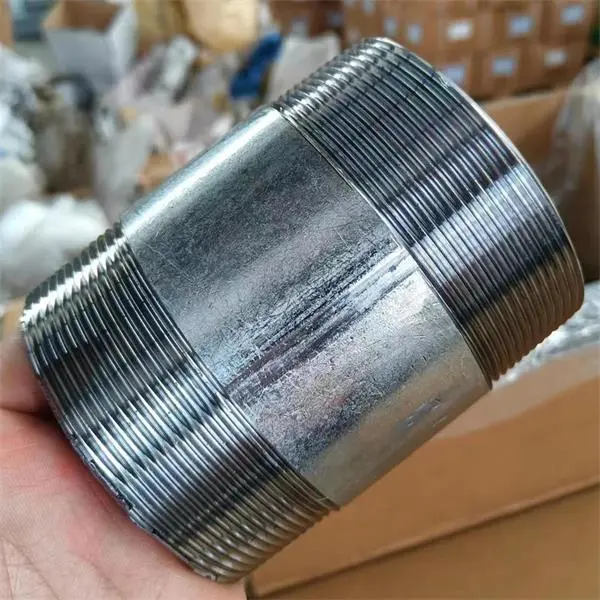
Galvanized pipe, consisting of carbon steel with a protective zinc coating, represents a crucial component within fluid conveyance systems across diverse industrial and commercial applications. This guide details the technical aspects of galvanized pipe installation, extending beyond mere assembly to encompass material science, performance considerations, potential failure modes, and relevant industry standards. Its primary function is to prevent corrosion of the underlying steel, enhancing longevity and reducing maintenance costs, particularly in environments prone to moisture and corrosive substances. Galvanized steel pipe is commonly employed in potable water systems, fire protection, gas lines, and various industrial processing applications. Proper installation is paramount to ensuring system integrity, minimizing leaks, and maximizing the lifespan of the piping network. The focus of this document is rigid galvanized steel pipe; flexible galvanized conduit and other variations will not be covered.
Material Science & Manufacturing
Galvanized pipe begins with a carbon steel substrate, typically produced via electric resistance welding (ERW) or seamless manufacturing processes. The steel composition will vary based on intended application, but commonly adheres to ASTM A53 Grade B specifications. The galvanization process itself involves several methods, the most prevalent being hot-dip galvanizing. This entails immersing the steel pipe into a molten zinc bath (typically 98% pure zinc) after a surface preparation sequence including pickling (acid cleaning to remove mill scale), fluxing (to promote zinc adhesion), and rinsing. The zinc metallurgically bonds with the steel, forming a layered coating comprised of zinc-iron alloy layers and a final outer layer of pure zinc. The thickness of the zinc coating is crucial, typically ranging from 0.0017 to 0.0055 inches (43 to 140 μm) depending on pipe diameter and application. Manufacturing defects during steel production (e.g., weld seams in ERW pipe, inclusions) and inconsistencies in the galvanization process (e.g., uneven coating thickness, localized zinc depletion) are critical quality control concerns. The crystalline structure of the zinc coating directly affects corrosion resistance; a uniform, dense coating with minimized porosity provides optimal protection. The quality of the initial steel surface impacts the adhesion of the zinc layer; poorly prepared surfaces lead to premature coating failure.
Performance & Engineering
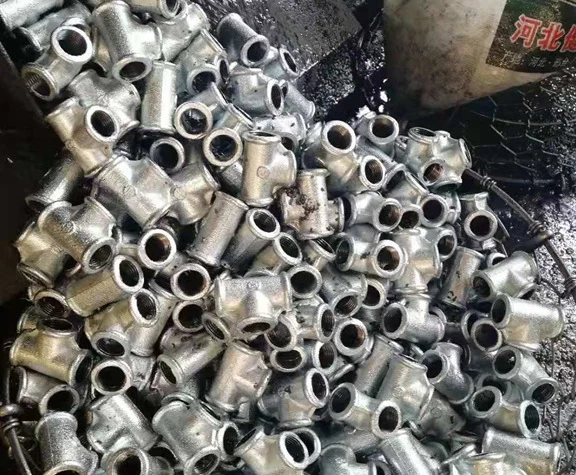
The performance of a galvanized pipe installation is dictated by several engineering factors. Firstly, hydrostatic pressure testing is essential to verify joint integrity and identify leaks before system operation. Test pressures should exceed the maximum anticipated operating pressure by a safety factor, typically 1.5 times the working pressure as stipulated by relevant codes. Secondly, thermal expansion and contraction must be accounted for. Galvanized steel has a relatively high coefficient of thermal expansion (approximately 6.5 x 10⁻⁶ per °F). Insufficient allowance for expansion and contraction can induce stresses at joints, potentially leading to failures. Expansion loops or flexible connectors should be incorporated into long runs of piping. Thirdly, pipe support and anchoring are critical. Supports must be properly spaced to prevent sagging or excessive bending stresses. Pipe hangers and supports must be compatible with galvanized steel to prevent galvanic corrosion (where a more noble metal corrodes a less noble metal in the presence of an electrolyte). Fourthly, soil conditions surrounding buried galvanized pipe must be assessed. Highly corrosive soils (low pH, high salinity) can accelerate corrosion rates, even with the zinc coating. Protective coatings or cathodic protection may be required. Finally, the selection of compatible fittings is vital. Using dissimilar metals (e.g., copper fittings with galvanized pipe) can induce galvanic corrosion at the interface.
Technical Specifications
| Parameter | Specification (Typical) | Test Method | Industry Standard |
|---|---|---|---|
| Material | Carbon Steel (ASTM A53 Grade B) | Chemical Analysis | ASTM A53 |
| Zinc Coating Thickness | 0.0017 - 0.0055 inches (43 - 140 μm) | Non-Destructive Coating Thickness Measurement | ASTM A123 |
| Yield Strength (Steel) | 36,000 psi (248 MPa) | Tensile Testing | ASTM A53 |
| Tensile Strength (Steel) | 60,000 psi (414 MPa) | Tensile Testing | ASTM A53 |
| Hydrostatic Test Pressure | 1.5 x Working Pressure | Hydrostatic Testing | API 5L |
| Corrosion Rate (Zinc) | < 0.005 inches/year (0.13 mm/year) in typical environments | Electrochemical Testing | ASTM B117 |
Failure Mode & Maintenance
Galvanized pipe installations are susceptible to several failure modes. Firstly, corrosion is the most common issue. While the zinc coating provides sacrificial protection, it will eventually corrode over time, particularly in harsh environments. Localized corrosion (pitting) can occur due to defects in the coating or exposure to corrosive agents. Secondly, thread erosion is frequent at threaded connections. Over-tightening or improper thread preparation can damage the zinc coating and accelerate corrosion. Thirdly, fatigue cracking can occur due to cyclic loading or vibration. This is more common in piping systems subject to significant pressure fluctuations. Fourthly, galvanic corrosion can occur when dissimilar metals are used in contact. Fifthly, physical damage during handling or installation (dents, scratches) can compromise the zinc coating and initiate corrosion. Maintenance includes regular visual inspections for signs of corrosion or leaks. Damaged coatings should be repaired with zinc-rich paint. Corroded fittings should be replaced. Properly torqued connections are essential. Preventive measures include ensuring adequate ventilation to reduce humidity and avoid contact with corrosive chemicals. Cathodic protection should be considered for buried pipelines in aggressive soil environments. Periodic hydrostatic testing verifies system integrity.
Industry FAQ
Q: What is the expected lifespan of a properly installed galvanized pipe system?
A: The lifespan varies significantly depending on environmental conditions and application. In relatively benign indoor environments with potable water, a lifespan of 40-60 years is achievable. However, in harsh outdoor environments, or with exposure to corrosive chemicals, the lifespan can be significantly reduced to 20-30 years or less. Regular maintenance is critical to maximizing lifespan.
Q: Can galvanized pipe be used for natural gas lines?
A: Yes, galvanized pipe is permitted for natural gas lines in many jurisdictions, but it must conform to specific regulations (e.g., ANSI/NTP standards). However, polyethylene (PE) pipe is now frequently preferred due to its improved corrosion resistance and flexibility. Checking local codes is essential.
Q: What are the best practices for threading galvanized pipe?
A: Use a dedicated galvanized pipe threading die and reamer. Apply a generous amount of cutting oil during threading to prevent overheating and galling. Ensure threads are clean and free of burrs before assembly. Apply a thread sealant specifically designed for galvanized pipe to prevent leaks and corrosion.
Q: How can galvanic corrosion be prevented when connecting galvanized pipe to other metals?
A: Utilize dielectric unions or couplings to electrically isolate dissimilar metals. Apply a corrosion-inhibiting coating to the joint area. Careful material selection is also crucial; avoid direct contact between galvanized steel and more noble metals like copper without appropriate isolation.
Q: What is the impact of water pH on the lifespan of galvanized pipe?
A: Low pH (acidic) water significantly accelerates corrosion of galvanized pipe. Maintaining a neutral or slightly alkaline pH is crucial for maximizing lifespan. Water treatment systems can be used to adjust pH levels if necessary. High chloride concentrations can also exacerbate corrosion.
Conclusion
Galvanized pipe remains a viable and cost-effective solution for numerous fluid conveyance applications, but its performance is heavily reliant on proper material selection, meticulous installation practices, and ongoing maintenance. Understanding the underlying material science, potential failure modes, and adherence to relevant industry standards are crucial for maximizing lifespan and ensuring system reliability. The longevity of a galvanized steel pipe system is not simply a function of the zinc coating, but rather a holistic assessment of the entire installation environment and proactive management of potential corrosion risks.
Future trends may see a continued shift toward alternative piping materials such as plastics (e.g., CPVC, PEX) and stainless steel in applications demanding extended service life and enhanced corrosion resistance. However, galvanized pipe will likely retain its niche in specific applications where its cost-effectiveness and established track record are advantageous. Thorough site assessment and careful consideration of long-term operating conditions remain paramount when specifying any piping material.
