
Introduction
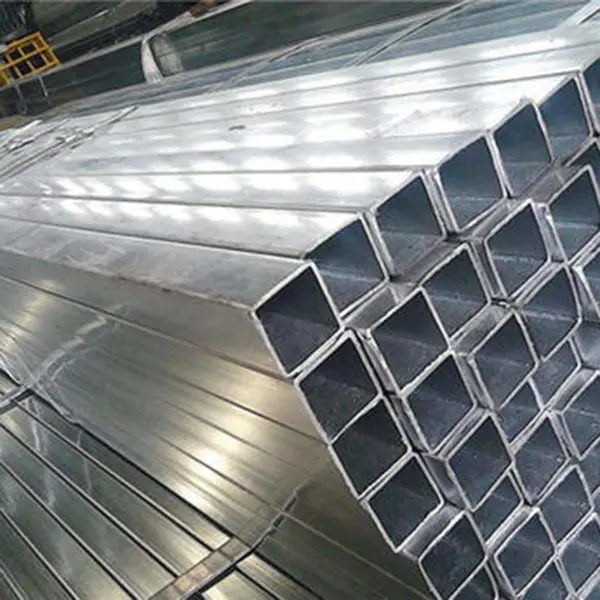
Galvanized plumbing pipe, primarily manufactured from carbon steel, serves as a fundamental component in fluid conveyance systems across residential, commercial, and industrial applications. The ‘galvanization’ process, involving the application of a protective zinc coating, imparts corrosion resistance to the base steel, extending the pipe’s service life and minimizing maintenance requirements. Its historical prevalence stemmed from its cost-effectiveness and relative durability compared to alternative materials; however, its usage has evolved with advancements in plastic and copper piping. Galvanized steel pipe, typically manufactured to conform to American Society for Testing and Materials (ASTM) standards, is categorized by wall thickness (schedule 40, schedule 80, and standard weight) and nominal pipe size, dictating pressure-bearing capacity and flow rates. A core industry pain point centers around the potential for zinc coating degradation leading to internal corrosion, scale buildup, and reduced flow efficiency, requiring periodic inspection and, in some cases, complete system replacement. Understanding the material science, manufacturing processes, and performance characteristics of galvanized steel pipe is crucial for ensuring long-term system reliability and compliance with relevant building codes.
Material Science & Manufacturing
The foundation of galvanized plumbing pipe is low-carbon steel, typically AISI 1018 or equivalent, chosen for its formability and weldability. The steel composition contains primarily iron, with carefully controlled percentages of carbon (0.15-0.30%), manganese (0.30-0.90%), phosphorus (≤ 0.040%), and sulfur (≤ 0.05%). These elemental constraints are vital for optimizing ductility and minimizing brittleness. Manufacturing begins with the seamless or welded production of steel tubes. Seamless pipes are created via processes like extrusion or piercing, offering superior pressure resistance. Welded pipes utilize electric resistance welding (ERW) or submerged arc welding (SAW) techniques, demanding rigorous weld seam inspection to prevent failures. Following pipe formation, the galvanization process is applied, most commonly through hot-dip galvanizing. This involves immersing the steel pipe in a molten zinc bath (typically 98% pure zinc) maintained at approximately 450°C (842°F). A metallurgical reaction occurs, forming a series of zinc-iron alloy layers, culminating in an outer layer of pure zinc. Critical parameters include immersion time, zinc bath temperature, and steel surface preparation (pickling and fluxing) to ensure uniform coating thickness and adherence. Another galvanizing method is electrogalvanizing, which applies a thinner, more controlled zinc coating but generally offers less corrosion protection than hot-dip galvanizing. Quality control during manufacturing focuses on coating thickness (measured in zinc coating weight per unit area, e.g., G90 – 0.90 oz/ft²), coating uniformity, and adherence tests (bend tests, adhesion tests). The uniformity of the zinc coating is vital; areas with thin or absent coating are prime locations for corrosion initiation.
Performance & Engineering
The performance of galvanized plumbing pipe is dictated by its structural integrity and resistance to corrosion. Force analysis considers both internal pressure due to fluid flow and external loads (e.g., pipe supports, soil pressure). The pipe wall thickness, as defined by the schedule number, directly influences its burst pressure, calculated using Barlow's formula: P = (2Sσ)/D, where P is the internal pressure, S is the tensile strength of the steel, σ is the allowable stress, and D is the outer diameter. Environmental resistance is primarily determined by the zinc coating's ability to act as a barrier and sacrificial anode. The zinc corrodes preferentially, protecting the underlying steel. However, in certain environments (e.g., highly acidic or alkaline conditions, prolonged exposure to chlorides), the zinc coating can degrade, leading to localized corrosion. Galvanized steel’s performance is heavily influenced by water chemistry. Low pH water accelerates zinc corrosion, whereas high pH water can lead to the formation of zinc hydroxides, potentially restricting flow. Furthermore, the presence of dissolved oxygen exacerbates corrosion rates. Compliance requirements are governed by plumbing codes (e.g., Uniform Plumbing Code (UPC), International Plumbing Code (IPC)), dictating acceptable materials, installation practices, and pressure testing procedures. Threaded connections must be sealed with appropriate thread sealant compounds to prevent leaks and galvanic corrosion between dissimilar metals. Proper pipe support spacing is crucial to prevent stress concentrations and potential failures due to bending or fatigue. Flow rate calculations must account for internal pipe roughness, which increases over time due to scale buildup, reducing hydraulic efficiency.
Technical Specifications
| Nominal Pipe Size (inches) | Schedule | Wall Thickness (inches) | Zinc Coating Weight (oz/ft²) |
|---|---|---|---|
| 1/2 | 40 | 0.065 | 1.25 - 1.60 |
| 3/4 | 40 | 0.083 | 1.25 - 1.60 |
| 1 | 40 | 0.095 | 1.25 - 1.60 |
| 1 1/4 | 40 | 0.113 | 1.25 - 1.60 |
| 1 1/2 | 40 | 0.120 | 1.25 - 1.60 |
| 2 | 40 | 0.154 | 1.25 - 1.60 |
Failure Mode & Maintenance
Galvanized plumbing pipe is susceptible to several failure modes. Uniform corrosion, resulting from general zinc depletion and subsequent steel corrosion, leads to wall thinning and eventual leakage. Pitting corrosion, occurring due to localized defects in the zinc coating or the presence of chlorides, creates localized penetration points. Galvanic corrosion arises when dissimilar metals are connected in the presence of an electrolyte (water), accelerating corrosion of the less noble metal (typically the galvanized steel). Scale buildup, caused by mineral precipitation from water, restricts flow and promotes localized corrosion under the scale. Fatigue cracking can occur under cyclic loading, particularly at threaded connections. Hydrogen embrittlement, a less common but serious issue, can occur due to the formation of hydrogen gas during corrosion, leading to brittle fracture. Maintenance strategies involve regular inspections for signs of corrosion (rust, leaks, discoloration). Periodic flushing of the system removes sediment and scale buildup. Applying corrosion inhibitors to the water can slow down corrosion rates. Cathodic protection, though less common in plumbing systems, can be employed to further mitigate corrosion. When repairs are necessary, localized patching is rarely effective; complete pipe replacement is generally recommended for sections exhibiting significant corrosion. Avoid using mechanical pipe joining methods on heavily corroded sections, as they may exacerbate cracking. For preventative maintenance, controlling water pH and minimizing chloride concentrations are paramount.
Industry FAQ
Q: What is the primary difference between Schedule 40 and Schedule 80 galvanized pipe, and how does it affect application?
A: The primary difference lies in the wall thickness. Schedule 80 pipe has a thicker wall than Schedule 40, resulting in a higher pressure rating and increased resistance to mechanical damage. Schedule 40 is typically used for lower-pressure applications like residential water supply lines, while Schedule 80 is favored for higher-pressure systems, industrial applications, and situations where greater durability is required.
Q: How does the water’s pH level affect the longevity of galvanized steel pipe?
A: Low pH (acidic water) significantly accelerates the corrosion rate of galvanized steel. The acidity dissolves the zinc coating and attacks the underlying steel. Conversely, very high pH (alkaline water) can lead to the formation of zinc hydroxides, potentially restricting flow. Maintaining a neutral pH (around 7.0) is optimal for maximizing service life.
Q: What are the implications of using galvanized pipe in contact with dissimilar metals like copper?
A: Contact between galvanized steel and copper can lead to galvanic corrosion. Copper is more noble than zinc, causing the zinc to corrode preferentially. To mitigate this, dielectric unions or insulating fittings should be used to separate the metals, preventing the flow of electrons and minimizing corrosion.
Q: What are the common indicators of internal corrosion within a galvanized pipe system?
A: Common indicators include reduced water flow, discolored water (often with a rusty hue), sediment buildup in fixtures, and pinhole leaks. A decrease in water pressure, particularly during peak demand, can also suggest internal corrosion restricting the pipe's internal diameter.
Q: Is it permissible to connect galvanized steel pipe to PEX tubing directly? What precautions should be taken?
A: Direct connection is not recommended due to potential galvanic corrosion. A dielectric union or a dedicated transition fitting specifically designed for connecting dissimilar materials must be used. This isolates the two metals and prevents accelerated corrosion. Proper grounding of the system is also critical.
Conclusion
Galvanized plumbing pipe, while historically a dominant material, presents a complex interplay between cost-effectiveness, corrosion resistance, and potential failure modes. Its performance is intrinsically linked to manufacturing quality, environmental conditions, and water chemistry. The zinc coating, though providing sacrificial protection, is susceptible to degradation, necessitating diligent monitoring and preventative maintenance. Understanding the material science fundamentals – from steel composition to the hot-dip galvanizing process – is critical for informed material selection and long-term system reliability.
The evolution of plumbing materials has led to increased adoption of alternatives like copper and PEX. While galvanized steel remains suitable for specific applications, particularly in rehabilitation projects, a comprehensive lifecycle cost analysis should be performed, considering potential corrosion-related maintenance and replacement costs. Future developments may focus on enhancing galvanizing techniques to improve coating uniformity and corrosion resistance, or exploring alternative coatings beyond zinc to address limitations in aggressive environments. Careful consideration of industry standards and best practices is essential for ensuring safe and efficient plumbing systems.
