Introduction
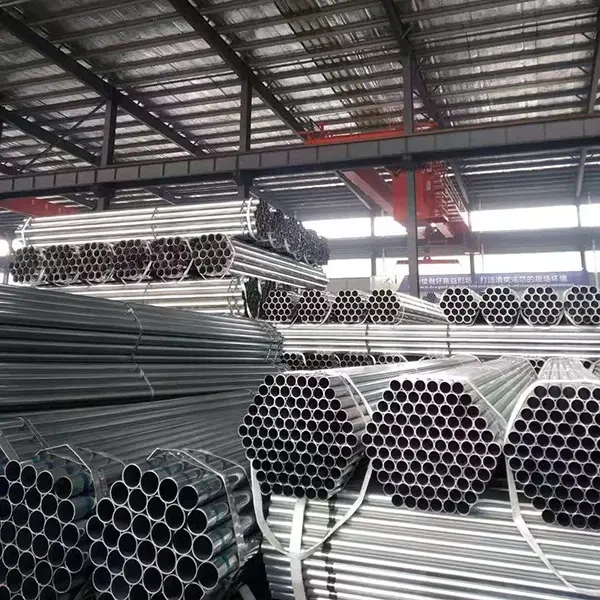
Galvanized steel pipe, a ubiquitous component in fluid transport systems, structural applications, and various industrial processes, derives its name from the protective zinc coating applied to a base steel substrate. The “price per foot” is a critical metric for project costing and material budgeting, heavily influenced by factors beyond simple material cost including pipe diameter, wall thickness (schedule), manufacturing process, zinc coating thickness, and current market conditions. This guide provides an in-depth technical exploration of galvanized steel pipe, encompassing material science, manufacturing techniques, performance characteristics, failure modes, and industry standards. Understanding these aspects is crucial for engineers, procurement managers, and construction professionals to make informed decisions regarding material selection, application suitability, and long-term life-cycle cost analysis. The industry currently faces challenges related to fluctuating zinc prices, supply chain disruptions impacting steel production, and increasing demand for corrosion-resistant infrastructure, all directly affecting the price per foot. Proper specification and quality control are paramount to mitigating these risks and ensuring structural integrity and operational longevity.
Material Science & Manufacturing
The core material of galvanized steel pipe is typically carbon steel, conforming to standards such as ASTM A53, A106, or API 5L, depending on the intended application. The carbon content directly influences weldability, ductility, and strength. Manufacturing begins with the production of seamless or welded steel pipe. Seamless pipes are created by piercing a solid billet of steel, offering superior pressure ratings and uniformity. Welded pipes, manufactured by rolling and welding steel strips, are generally more cost-effective. Galvanization, the critical process for corrosion protection, is most commonly achieved through hot-dip galvanizing. This involves immersing the steel pipe in a molten zinc bath (typically 98% pure zinc) at a temperature of approximately 840°F (450°C). The zinc metallurgically bonds with the steel, forming a series of zinc-iron alloy layers, providing a robust barrier against corrosion. The thickness of the zinc coating is determined by the withdrawal speed from the bath and is typically specified in terms of coating weight (e.g., G90, representing 0.90 ounces of zinc per square foot). Other galvanizing methods include electro-galvanizing and zinc spraying, but hot-dip galvanizing remains the industry standard for most structural and fluid conveyance applications due to its superior coating thickness and longevity. Parameter control during galvanization is vital; inadequate bath temperature, incorrect steel surface preparation (critical for removing mill scale and rust), and variations in zinc bath composition can lead to uneven coating thickness and localized corrosion susceptibility.

Performance & Engineering
The performance of galvanized steel pipe is fundamentally dictated by its mechanical strength and corrosion resistance. Tensile strength, yield strength, and elongation are key mechanical properties determined by the steel grade. These parameters are critical for pressure-containing applications where the pipe is subjected to internal or external stresses. The zinc coating provides cathodic protection, meaning the zinc corrodes preferentially to the steel, sacrificing itself to prevent corrosion of the underlying substrate. However, this protection is not absolute. Factors such as exposure to chlorides (e.g., saltwater environments), acidic conditions, and prolonged exposure to high humidity can accelerate zinc corrosion and eventually compromise the steel. Environmental resistance also extends to temperature fluctuations; while galvanized steel performs well in a broad temperature range, extreme heat can affect the integrity of the zinc coating, potentially leading to spalling or reduced protection. Engineering calculations must consider hydrostatic pressure, flow rates, and potential stresses caused by thermal expansion and contraction. Compliance requirements, such as those outlined by ASME B31.1 (Power Piping) or ASTM A795 (for structural applications), dictate allowable stresses and design factors. Galvanic corrosion, occurring when dissimilar metals are in contact, must also be addressed through proper material selection and insulation techniques.
Technical Specifications
| Parameter | ASTM A53 Grade B (Typical) | ASTM A106 Grade B (Typical) | Zinc Coating (G90) | Schedule 40 (OD/Wall) – 2” |
|---|---|---|---|---|
| Tensile Strength (PSI) | 60,000 | 70,000 | N/A | 2.375” / 0.154” |
| Yield Strength (PSI) | 36,000 | 58,000 | N/A | N/A |
| Elongation (%) | 20 | 22 | N/A | N/A |
| Coating Weight (oz/ft²) | N/A | N/A | 0.90 | N/A |
| Minimum Coating Thickness (µm) | N/A | N/A | 85 | N/A |
| Typical Price/Foot (2" Schedule 40) | $2.50 - $4.00 | $3.00 - $5.00 | N/A | N/A |
Failure Mode & Maintenance
Galvanized steel pipe, despite its corrosion resistance, is susceptible to several failure modes. Uniform corrosion, the gradual degradation of the zinc coating, is a common occurrence, especially in harsh environments. Pitting corrosion, characterized by localized attacks on the steel surface, can occur due to imperfections in the zinc coating or the presence of chloride ions. Under-film corrosion arises when moisture and corrosive agents penetrate the zinc coating, leading to corrosion of the underlying steel. Mechanical damage, such as dents, scratches, or weld defects, can compromise the coating and create initiation sites for corrosion. Fatigue cracking, particularly in cyclically loaded applications, can lead to catastrophic failure. Maintenance is crucial for extending the service life of galvanized steel pipe. Regular inspection for signs of corrosion, coating damage, or mechanical stress is essential. Damaged areas should be repaired using zinc-rich paints or coatings to restore the protective barrier. Periodic cleaning to remove dirt, debris, and corrosive deposits can help prevent under-film corrosion. For submerged or buried pipelines, cathodic protection systems may be implemented to provide additional corrosion control. Proper jointing techniques, avoiding dissimilar metal contact, and ensuring adequate drainage are also important preventative measures. Failure analysis, involving metallurgical examination and corrosion testing, can help identify the root cause of failures and guide future design and maintenance strategies.
Industry FAQ
Q: What is the primary driver of price fluctuations in galvanized steel pipe?
A: The price of galvanized steel pipe is heavily influenced by the cost of both steel and zinc. Steel prices fluctuate based on global demand, iron ore prices, and production capacity. Zinc prices are impacted by mining output, supply chain dynamics, and demand from various industries (e.g., die casting). Energy costs associated with steel and zinc production also contribute significantly to price volatility.
Q: How does Schedule 40 compare to Schedule 80 in terms of cost and application?
A: Schedule 80 pipe has thicker walls than Schedule 40, resulting in a higher material cost per foot. It’s typically used for higher-pressure applications or where greater mechanical strength is required. Schedule 40 is generally suitable for lower-pressure systems and is more cost-effective for standard applications. The increased wall thickness of Schedule 80 also means less internal volume for a given diameter.
Q: What is the expected lifespan of galvanized steel pipe in a typical outdoor environment?
A: The lifespan varies significantly depending on the environment. In rural environments with low pollution and humidity, galvanized steel pipe can last 50 years or more. In coastal areas or industrial environments with high chloride or sulfur dioxide concentrations, the lifespan may be reduced to 20-30 years. Regular maintenance can significantly extend service life.
Q: What are the advantages and disadvantages of electro-galvanizing versus hot-dip galvanizing?
A: Electro-galvanizing produces a thinner, more uniform zinc coating but offers less corrosion protection compared to hot-dip galvanizing. It’s often used for applications where aesthetics are important. Hot-dip galvanizing provides a thicker, more durable coating with superior corrosion resistance, making it ideal for harsh environments. Hot-dip galvanizing is generally more cost-effective for large-scale applications.
Q: How can I mitigate the risk of galvanic corrosion when connecting galvanized steel pipe to other metals?
A: Galvanic corrosion can be minimized by using dielectric unions or fittings to electrically isolate the dissimilar metals. Applying a corrosion-inhibiting compound to the joint and ensuring proper grounding can also help. Selecting compatible materials is crucial; avoid direct contact between galvanized steel and significantly more noble metals like copper without appropriate isolation.
Conclusion
Galvanized steel pipe remains a cornerstone material in numerous industries due to its combination of strength, durability, and corrosion resistance. However, understanding the nuances of its material science, manufacturing processes, and potential failure modes is essential for optimizing performance and minimizing life-cycle costs. The price per foot is not simply a commodity cost but a reflection of raw material prices, manufacturing complexity, and quality control measures.
Looking ahead, advancements in coating technologies, such as the development of zinc-aluminum alloys and enhanced pre-treatment processes, promise to further improve the corrosion resistance and longevity of galvanized steel pipe. Continued focus on sustainable manufacturing practices and responsible sourcing of materials will also be critical to ensuring the long-term viability of this vital material. Careful consideration of application-specific requirements, adherence to industry standards, and proactive maintenance strategies are paramount for maximizing the return on investment in galvanized steel piping systems.
