Introduction
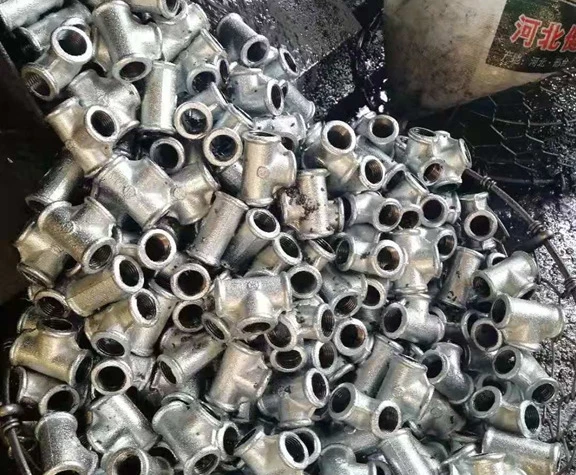
Galvanized steel is steel with a protective zinc coating. This coating prevents rusting and corrosion, substantially extending the lifespan of the steel. The galvanization process is a form of sacrificial protection; the zinc corrodes preferentially to the steel, even if the coating is scratched or damaged. Galvanized steel occupies a critical position within the broader steel industry, acting as a key material for applications requiring durability and resistance to environmental factors. Its core performance attributes—corrosion resistance, tensile strength, and formability—make it essential in construction, automotive manufacturing, infrastructure projects, and numerous other sectors. The primary pain point addressed by galvanized steel is the high lifecycle cost associated with corrosion in unprotected steel, including maintenance, repair, and replacement.
Material Science & Manufacturing
The base material for galvanized steel is typically carbon steel, although alloy steels can also be galvanized. The carbon content influences weldability and ductility. Zinc, the coating material, possesses a relatively low melting point (419.5°C) and forms metallurgical bonds with both iron and carbon. The most common galvanization methods are hot-dip galvanizing, electrogalvanizing, and zinc spraying. Hot-dip galvanizing involves immersing the steel in a molten zinc bath. This creates a multi-layered coating composed of zinc-iron alloy layers (zeta, gamma, delta) and a final outer layer of pure zinc (eta). Precise control of bath temperature, steel surface preparation (cleaning and pickling), and immersion time are crucial for consistent coating thickness and adherence. Electrogalvanizing uses an electrolytic process to deposit zinc onto the steel surface. It produces a thinner, more uniform coating, often used for applications requiring precise dimensional control. Zinc spraying, also known as metallizing, involves spraying molten zinc onto a prepared steel surface. Surface preparation, including abrasive blasting to achieve a specific surface profile (Ra value), is critical for adhesion in all methods. Zinc purity (typically 98% or higher) directly impacts coating performance and corrosion resistance. The steel’s metallurgical structure – grain size and phase composition – also influences the galvanization process, particularly the formation of alloy layers.

Performance & Engineering
The corrosion resistance of galvanized steel is governed by several mechanisms. Barrier protection is provided by the zinc coating, physically separating the steel from corrosive elements. Galvanic protection, as mentioned, arises from the electrochemical potential difference between zinc and steel. The zinc acts as an anode, corroding sacrificially. Self-healing properties are inherent; even if the coating is scratched, the zinc surrounding the damaged area continues to provide cathodic protection. Engineering considerations include stress corrosion cracking, particularly in high-chloride environments. Coating thickness is directly correlated to lifespan – thicker coatings offer longer protection. Finite element analysis (FEA) is often used to model stress distribution in galvanized structures, optimizing design for load-bearing capacity and corrosion resistance. Environmental resistance must consider not only humidity and salinity but also industrial pollutants (sulfur dioxide, NOx) which can accelerate zinc corrosion. Compliance requirements, such as RoHS and REACH, dictate restrictions on hazardous substances in the galvanization process and finished products. Furthermore, the design of joints and connections is critical; avoiding bimetallic corrosion (galvanic corrosion between dissimilar metals) is paramount.
Technical Specifications
| Parameter | Hot-Dip Galvanizing | Electrogalvanizing | Zinc Spraying (Metallizing) |
|---|---|---|---|
| Coating Thickness (μm) | 50 – 150 | 5 – 25 | 75 – 400 (variable) |
| Zinc Purity (%) | 98+ | 99.9+ | 99.9+ |
| Coating Adhesion (ASTM A780) | Excellent | Good | Good to Excellent (dependent on surface prep) |
| Corrosion Resistance (Salt Spray Test - ASTM B117, hours to first rust) | 720+ | 240+ | 500+ (dependent on coating thickness) |
| Surface Roughness (Ra, μm) | 5-15 | 1-3 | 5-20 (dependent on blasting media) |
| Typical Applications | Structural steel, highway guardrails, outdoor infrastructure | Automotive body panels, appliances | Large structures, on-site repairs, bridge rehabilitation |
Failure Mode & Maintenance
Common failure modes in galvanized steel include white rust (zinc corrosion due to moisture and pollutants), red rust (corrosion of the underlying steel after zinc depletion), and creep corrosion (gradual thinning of the zinc coating due to sustained mechanical stress). Fatigue cracking can occur in heavily loaded galvanized structures, initiated at imperfections or coating discontinuities. Undercoating corrosion can develop if the steel surface wasn’t adequately prepared during galvanization, trapping moisture and contaminants. Bimetallic corrosion, as previously mentioned, is a significant concern when galvanized steel is in contact with dissimilar metals. Maintenance involves regular inspection for coating damage (scratches, dents). Minor damage can be addressed with zinc-rich paint touch-ups. For larger areas, re-galvanizing may be necessary. Preventive maintenance includes cleaning to remove contaminants and applying protective coatings (e.g., epoxy primers) in highly corrosive environments. Proper drainage design is crucial to prevent water accumulation and accelerate corrosion. Periodic assessment of coating thickness using non-destructive testing (NDT) methods is recommended to monitor remaining protection.
Industry FAQ
Q: What is the difference between hot-dip galvanizing and electrogalvanizing in terms of corrosion protection?
A: Hot-dip galvanizing provides superior corrosion protection due to its thicker coating and the formation of alloy layers that enhance adhesion and sacrificial protection. Electrogalvanizing, while offering a smoother finish, has a thinner coating and relies primarily on barrier protection.
Q: How does surface preparation impact the galvanizing process?
A: Surface preparation is critical. Thorough cleaning to remove oil, grease, and mill scale, followed by pickling to remove rust, ensures optimal adhesion of the zinc coating. A proper surface profile (roughness) is essential for mechanical interlocking.
Q: Is galvanized steel suitable for use in marine environments?
A: Yes, galvanized steel is widely used in marine environments, but thicker coatings and supplemental protective measures (e.g., paint systems) are often required to withstand the highly corrosive saltwater conditions. Duplex systems—galvanizing plus painting—offer optimal protection.
Q: What are the limitations of galvanized steel regarding weldability?
A: The zinc coating must be removed from the welding area to avoid zinc fumes and ensure a sound weld. Special welding techniques and filler metals may be necessary to maintain corrosion resistance in the heat-affected zone.
Q: How does temperature affect the corrosion rate of galvanized steel?
A: Generally, corrosion rates increase with temperature. While galvanized steel offers good high-temperature corrosion resistance compared to bare steel, prolonged exposure to extremely high temperatures can accelerate zinc evaporation and reduce protective capabilities.
Conclusion
Galvanized steel represents a robust and cost-effective solution for corrosion protection across a vast range of industrial applications. Its performance hinges on the interplay between material science – the properties of steel and zinc – and the nuances of the galvanization process, with meticulous control of parameters like coating thickness, surface preparation, and zinc purity being paramount. Understanding the potential failure modes, from white rust to fatigue cracking, is essential for implementing appropriate maintenance strategies and ensuring long-term structural integrity.
Moving forward, advancements in galvanizing technology will likely focus on thinner, more durable coatings, environmentally friendly processes, and improved methods for assessing coating quality. Further research into duplex systems, combining galvanizing with other protective coatings, promises to unlock even greater levels of corrosion resistance, particularly in challenging environments. Continued adherence to international standards and best practices is crucial for maintaining the reliability and longevity of galvanized steel structures.
