
Introduction
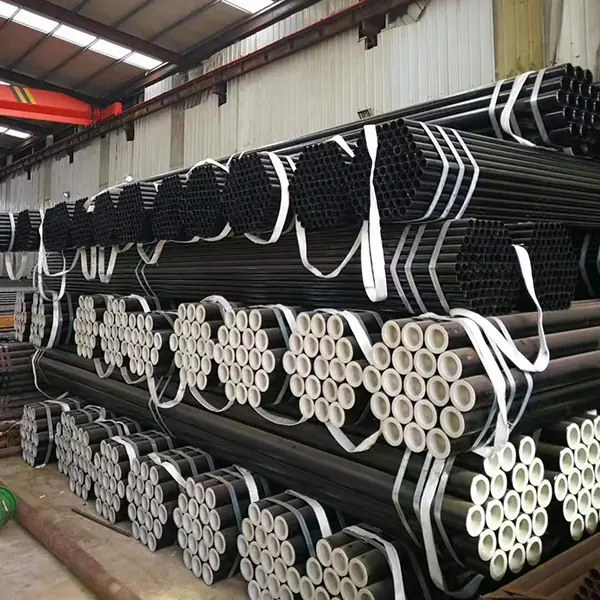
Inch galvanized pipe, consisting of carbon steel tubing coated with a layer of zinc, is a ubiquitous material in plumbing, structural applications, and fluid transport systems. Its position within the industrial chain is foundational, serving as a key component in residential, commercial, and industrial infrastructure. The core performance characteristics of galvanized pipe center around its corrosion resistance, stemming from the sacrificial protection provided by the zinc coating, and its mechanical strength, determined by the underlying steel grade and manufacturing process. This guide provides a comprehensive technical overview of inch galvanized pipe, encompassing material science, manufacturing techniques, performance parameters, failure modes, and relevant industry standards. The widespread use of galvanized pipe necessitates a thorough understanding of its limitations and proper maintenance to ensure long-term reliability and safety.
Material Science & Manufacturing
The base material for inch galvanized pipe is typically carbon steel, conforming to standards like ASTM A53 Grade B or A106 Grade B. These steels consist primarily of iron with controlled amounts of carbon (typically less than 0.30%) and other alloying elements like manganese, silicon, and phosphorus. The physical properties – tensile strength (typically 48,000 - 58,000 psi), yield strength (typically 36,000 psi), and elongation – are crucial for withstanding internal pressure and external loads.
Manufacturing involves several key steps. Steel billets are first formed into seamless or welded pipes. Seamless pipes are produced by piercing a solid billet of steel, offering superior strength and resistance to pressure. Welded pipes are manufactured by rolling and welding steel strips, often using Electric Resistance Welding (ERW) or Double-Submerged Arc Welding (DSAW). Following pipe formation, surface preparation is critical. This includes pickling (using hydrochloric or sulfuric acid to remove mill scale), rinsing, and fluxing.
The galvanization process is the defining step. Hot-dip galvanizing is the most common method, where the prepared pipe is immersed in a molten zinc bath (typically 98% pure zinc) at approximately 840°F (450°C). A metallurgical reaction occurs, forming a series of zinc-iron alloy layers bonded to the steel surface, culminating in an outer layer of pure zinc. The thickness of the zinc coating is a critical parameter, typically ranging from 0.002 to 0.006 inches (0.05 to 0.15 mm), and controlled by factors like immersion time, zinc bath composition, and cooling rate. Parameters such as steel surface roughness and chemical composition significantly influence the adhesion and durability of the zinc coating. Careful control of these factors is paramount to preventing premature corrosion.
Performance & Engineering
The performance of inch galvanized pipe is heavily influenced by hydrostatic pressure, tensile stress, and environmental conditions. Force analysis considers both internal pressure from fluids and external loads from support structures or soil conditions. The hoop stress, calculated using the Barlow's formula (σ = PD/2t, where P is pressure, D is diameter, and t is wall thickness), is a critical design parameter to prevent pipe failure.
Environmental resistance is a primary design consideration. Galvanized pipe exhibits excellent corrosion resistance in many environments, but its performance degrades in the presence of acidic or alkaline conditions, chlorides, and prolonged exposure to moisture. The zinc coating corrodes preferentially, protecting the underlying steel (sacrificial protection). However, once the zinc is depleted, the steel becomes susceptible to corrosion.
Compliance requirements dictate the suitability of galvanized pipe for specific applications. For potable water systems, compliance with NSF/ANSI 61 is essential, ensuring that the pipe does not leach harmful contaminants into the water. For structural applications, adherence to ASTM A53 or A106 standards and relevant building codes is mandatory. Furthermore, the pipe's ability to withstand seismic activity and extreme temperatures must be considered based on the geographical location and intended use. The pipe’s corrosion resistance is also critical in hazardous environments, and coating selection needs to be appropriate for the chemical exposure.
Technical Specifications
| Nominal Pipe Size (inches) | Wall Thickness (inches) | Outside Diameter (inches) | Zinc Coating Weight (oz/ft²) |
|---|---|---|---|
| 1/2 | 0.065 | 0.625 | 1.25 |
| 3/4 | 0.083 | 0.875 | 1.60 |
| 1 | 0.095 | 1.050 | 1.95 |
| 1 1/4 | 0.118 | 1.315 | 2.30 |
| 1 1/2 | 0.120 | 1.500 | 2.50 |
| 2 | 0.154 | 2.375 | 3.20 |
Failure Mode & Maintenance
Common failure modes in inch galvanized pipe include corrosion, particularly localized corrosion such as pitting and crevice corrosion, accelerated by chloride exposure and variations in the zinc coating. Fatigue cracking can occur under cyclic loading, especially at connections and supports. Delamination of the zinc coating, caused by poor surface preparation or inadequate galvanizing process control, reduces corrosion protection. White rust (zinc oxide corrosion) forms in humid environments and, while not immediately catastrophic, indicates coating degradation. Oxidation of the steel substrate occurs once the zinc layer is breached.
Maintenance strategies focus on preventative measures and early detection of corrosion. Regular inspection for rust, leaks, and coating damage is crucial. External surfaces should be cleaned periodically to remove contaminants that accelerate corrosion. Damaged areas can be repaired with zinc-rich coatings, but thorough surface preparation is essential. In corrosive environments, cathodic protection systems can be implemented to further enhance corrosion resistance. Replacement of severely corroded sections is often necessary to maintain system integrity. Avoid using galvanized pipe with dissimilar metals without proper dielectric unions to prevent galvanic corrosion. Furthermore, regular pressure testing is recommended to identify and address potential leaks before they escalate into major failures.
Industry FAQ
Q: What is the typical lifespan of a properly installed and maintained inch galvanized pipe system?
A: A properly installed and maintained galvanized pipe system can have a lifespan of 50-70 years, depending on the environment and fluid transported. However, lifespan is significantly reduced in highly corrosive environments or with inadequate maintenance.
Q: How does the zinc coating thickness affect the corrosion resistance of galvanized pipe?
A: A thicker zinc coating provides greater sacrificial protection and, therefore, enhanced corrosion resistance. However, exceeding a certain thickness can lead to other issues like brittleness. Standards specify minimum coating weights for different applications.
Q: Can galvanized pipe be used for high-pressure applications?
A: Galvanized pipe can be used for moderate-pressure applications, but its limitations in terms of tensile strength and susceptibility to corrosion under pressure must be considered. Seamless pipe with a thicker wall is preferable for higher pressures.
Q: What are the alternatives to galvanized pipe in corrosive environments?
A: Alternatives include stainless steel, polyethylene (PE), polypropylene (PP), and epoxy-coated steel pipe. The selection depends on the specific corrosive agents and operational requirements.
Q: Is it possible to thread galvanized pipe without damaging the zinc coating?
A: Threading galvanized pipe inevitably damages the zinc coating at the threads. Applying a zinc-rich thread sealant is crucial to restore the protective layer and prevent corrosion at the connections.
Conclusion
Inch galvanized pipe remains a cost-effective and widely utilized material for various plumbing and structural applications. Its longevity and corrosion resistance, however, are directly dependent on proper material selection, meticulous manufacturing processes, and diligent maintenance practices. Understanding the underlying material science, potential failure modes, and relevant industry standards is paramount for engineers, procurement managers, and maintenance personnel to ensure the safe and reliable operation of systems employing this versatile piping material.
Looking forward, advancements in coating technologies, such as duplex systems combining zinc with other protective layers, are likely to enhance the performance and extend the lifespan of galvanized pipe. Furthermore, increasing emphasis on sustainability and resource conservation may drive the development of more environmentally friendly galvanizing processes and recycling strategies. Continued research and adherence to best practices will be essential to optimize the use of galvanized pipe in a demanding industrial landscape.
