Introduction
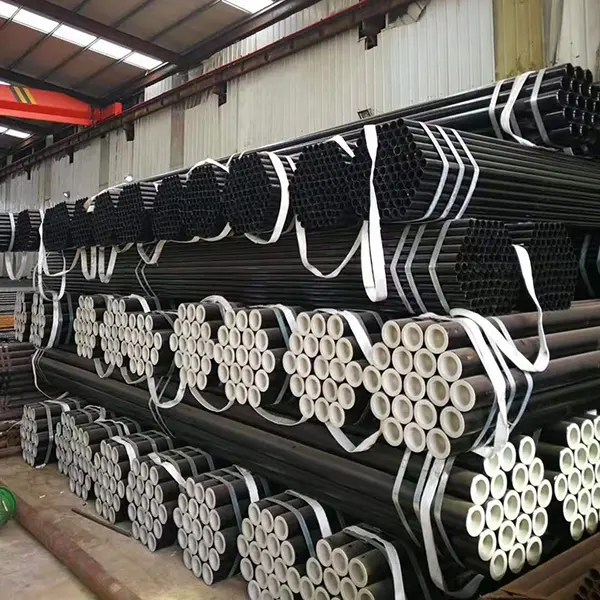
Quarter inch galvanized pipe, commonly designated as NPS 1/4 inch Schedule 40, is a carbon steel pipe coated with a zinc layer. This coating provides corrosion resistance, making it a widely utilized material in plumbing, fire sprinkler systems, and various industrial applications. Its technical position within the industry chain is as a finished good resulting from steel production, zinc processing, and pipe manufacturing. Core performance characteristics include its pressure rating, tensile strength, corrosion resistance (dependent on zinc coating thickness), and threaded connection compatibility. The selection of galvanized pipe over alternative materials such as copper or plastic often centers on cost-effectiveness, durability in specific environments, and compatibility with existing infrastructure. The inherent limitations of galvanized steel relate to potential lead content in older formulations, susceptibility to corrosion in highly acidic or alkaline environments, and the potential for zinc coating damage, necessitating regular inspection and maintenance.
Material Science & Manufacturing
The base material for quarter inch galvanized pipe is typically carbon steel, conforming to ASTM A53 Grade B or similar specifications. This steel is characterized by a relatively low carbon content (typically less than 0.30%), enhancing weldability and formability. The zinc coating is applied through a process known as hot-dip galvanizing. This involves immersing the steel pipe in a molten zinc bath, creating a metallurgical bond between the zinc and the steel substrate. The thickness of the zinc coating is a critical parameter, directly impacting the corrosion resistance, and is usually specified in terms of zinc coating weight (e.g., G90, representing 0.90 ounces of zinc per square foot). Manufacturing begins with steel billet production, followed by seamless or welded pipe forming via processes like extrusion (seamless) or Electric Resistance Welding (ERW). Post-forming, the pipe undergoes cleaning, fluxing, and then galvanization. Critical process parameters include bath temperature (typically 840-860°F for Zn-99.995% purity), immersion time (controlled to achieve desired coating thickness), and cooling rate (to influence the zinc coating microstructure). Microstructural analysis of the zinc coating reveals distinct layers – the Zeta phase (iron-zinc alloy), Gamma phase, and a pure zinc outer layer. The ratio and properties of these phases dictate coating adhesion and corrosion protection.

Performance & Engineering
The performance of quarter inch galvanized pipe is fundamentally governed by its ability to withstand internal pressure and external loads while resisting corrosion. Force analysis considers hoop stress (resulting from internal pressure) and longitudinal stress (due to bending or external loads). According to ASME B31.1, the allowable stress for carbon steel piping is determined by material properties and temperature. A quarter-inch galvanized pipe’s pressure rating is typically specified for water and gas applications, with maximum allowable pressures varying based on temperature and schedule (wall thickness). Environmental resistance is largely dependent on the integrity of the zinc coating. Exposure to chlorides (e.g., saltwater environments) accelerates corrosion. The zinc coating provides sacrificial protection, corroding preferentially to the steel substrate. However, once the zinc is depleted, the steel is exposed and corrosion proceeds. Compliance requirements include adherence to local plumbing codes, fire safety regulations (for sprinkler systems), and standards pertaining to potable water systems (ensuring lead content remains below permissible limits). Furthermore, threaded connections are critical to leak-proof operation; proper thread sealant application and torque specifications are vital for long-term performance.
Technical Specifications
| Parameter | Specification (Typical) | Testing Standard | Units |
|---|---|---|---|
| Nominal Pipe Size | 1/4 inch | ANSI/ASME B36.10M | inch |
| Schedule | 40 | ANSI/ASME B36.10M | - |
| Outside Diameter | 0.540 | ANSI/ASME B36.10M | inch |
| Wall Thickness | 0.065 | ANSI/ASME B36.10M | inch |
| Yield Strength (Steel) | 36,000 | ASTM A53 | psi |
| Tensile Strength (Steel) | 58,000 | ASTM A53 | psi |
| Zinc Coating Weight | G90 (0.9 oz/ft²) | ASTM A123 | oz/ft² |
Failure Mode & Maintenance
Common failure modes for quarter inch galvanized pipe include corrosion-induced leaks, thread failure due to over-tightening or corrosion, and fatigue cracking under cyclical loading. Corrosion manifests as pitting, localized thinning of the pipe wall, and eventual perforation. The primary driver of corrosion is the depletion of the zinc coating, exposing the steel to the environment. Thread failure typically occurs due to stripping of threads, either during installation or due to corrosion weakening the threads. Fatigue cracking is more prevalent in systems subjected to vibration or pressure fluctuations. Failure analysis involves visual inspection for corrosion, dimensional measurements to assess wall thickness, and non-destructive testing (NDT) methods such as ultrasonic testing (UT) to detect internal flaws. Maintenance solutions include regular visual inspections for signs of corrosion, application of corrosion inhibitors (in specific environments), and periodic replacement of corroded sections. For threaded connections, proper torque specifications should be followed during installation, and thread sealant should be reapplied as needed. Cathodic protection can be employed in certain applications to enhance corrosion resistance. The lifespan of galvanized pipe can be extended through proactive maintenance and careful selection of appropriate materials for the intended application.
Industry FAQ
Q: What is the primary difference between Schedule 40 and Schedule 80 galvanized pipe, and how does this impact its use in a hydraulic system?
A: The primary difference lies in the wall thickness. Schedule 80 pipe has a thicker wall than Schedule 40, resulting in a higher pressure rating and greater resistance to deformation. In a hydraulic system, Schedule 80 would be preferred for higher pressure applications or where greater mechanical strength is required. However, Schedule 80’s smaller internal diameter leads to a higher fluid friction loss, potentially reducing flow rates.
Q: How does the presence of chlorides in water affect the long-term performance of galvanized pipe?
A: Chlorides significantly accelerate corrosion of galvanized pipe. Chloride ions penetrate the zinc coating and disrupt the protective barrier, leading to localized corrosion (pitting). The rate of corrosion increases with increasing chloride concentration. In saltwater environments or areas with high chloride levels in the water supply, the lifespan of galvanized pipe is substantially reduced.
Q: What are the alternatives to galvanized pipe for potable water systems, and what are their advantages/disadvantages?
A: Common alternatives include copper, CPVC, and PEX. Copper offers excellent corrosion resistance and durability but is more expensive. CPVC is rigid, resists chlorine degradation, and is relatively inexpensive, but its temperature limitations restrict its use. PEX is flexible, easy to install, and resistant to freezing, but its long-term performance and resistance to UV degradation are concerns.
Q: Is it possible to connect galvanized pipe directly to copper pipe, and what precautions should be taken?
A: Direct connection of galvanized pipe to copper is not recommended due to galvanic corrosion. Copper and zinc are dissimilar metals, creating a galvanic cell in the presence of an electrolyte (water). The zinc will corrode preferentially. If connection is unavoidable, a dielectric union must be used to electrically isolate the two metals, preventing the flow of electrons and mitigating corrosion.
Q: What are the typical inspection intervals recommended for galvanized pipe systems in industrial applications?
A: Recommended inspection intervals vary depending on the operating environment. In relatively benign environments, annual visual inspections for signs of corrosion are generally sufficient. In corrosive environments (e.g., saltwater exposure, chemical processing plants), semi-annual or even quarterly inspections may be necessary. Ultrasonic testing (UT) should be performed periodically to assess wall thickness and detect internal corrosion.
Conclusion
Quarter inch galvanized pipe remains a cost-effective and widely used material for numerous applications, despite the emergence of alternative piping systems. Its inherent corrosion resistance, derived from the zinc coating, provides reasonable longevity in suitable environments. However, understanding the material’s limitations – susceptibility to corrosion in specific conditions, potential for galvanic corrosion when coupled with dissimilar metals, and the importance of proper installation and maintenance – is crucial for ensuring long-term performance and avoiding premature failure. The selection of galvanized pipe must be based on a thorough assessment of the operating environment, fluid properties, and regulatory requirements.
Looking ahead, advancements in zinc coating technologies and the development of more corrosion-resistant alloys may enhance the lifespan and reliability of galvanized piping systems. Continued adherence to industry standards, coupled with proactive inspection and maintenance programs, will remain essential for maximizing the service life of quarter inch galvanized pipe and mitigating the risks associated with corrosion and failure. Future research should focus on optimizing zinc coating microstructures and exploring innovative corrosion protection strategies.
